Rizwan Tahir Chohan
Islamabad: As climate change intensifies and monsoon rainfall becomes increasingly unpredictable, Islamabad is taking significant steps to conserve rainwater, replenish depleting groundwater reserves and reduce the risk of urban flooding. The Capital Development Authority (CDA) has announced an expansion of its rainwater harvesting programme, a move that reflects a shift from reactive flood management towards long-term water security and climate resilience.

According to Director General Water wing CDA Sardar Khan Zimri, the authority has already demonstrated the effectiveness of rainwater harvesting through a pilot initiative launched three years ago in several sectors of the federal capital, including H-8, I-8, I-9 and I-10.
A Proven Solution
Under the pilot project, CDA constructed 100 recharge wells designed to capture rainwater, filter it and inject it into underground aquifers instead of allowing it to flow into drains and streams.
The results have been encouraging. Over the past three years, approximately 227 million gallons of rainwater have been recharged into the groundwater system, helping improve water availability while reducing surface runoff during heavy rainfall.
This initiative comes at a time when Islamabad, like many cities around the world, is facing declining groundwater levels due to rapid urbanisation, excessive groundwater extraction and changing rainfall patterns linked to climate change.
Expansion of the Programme
Building on the success of the pilot phase, CDA has approved an ambitious expansion plan.
The authority will construct an additional 100 recharge wells along with 10 large rainwater storage tanks near seasonal streams and flood-prone areas where heavy monsoon rainfall often leads to urban flooding.
According to the DG Water, the project’s PC-1 has already been approved, and implementation is expected to begin within days after the completion of the tendering process.
The new infrastructure is expected to capture a much larger volume of rainwater while reducing pressure on Islamabad’s drainage system during intense downpours.
Household Rainwater Harvesting
One of the most significant aspects of the initiative is the proposed integration of rainwater harvesting at the household level.
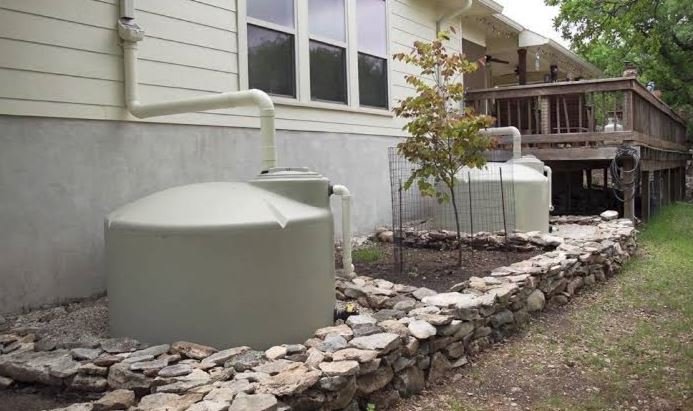
The CDA is amending its building by-laws to make rooftop rainwater harvesting mandatory for houses with groundwater boreholes. Under the proposed regulations, rainwater collected from rooftops will be directed underground through recharge systems instead of being discharged into drains.
According to the authority’s estimates, if 40 to 45 percent of rooftops in a sector are connected to such systems, Islamabad could potentially meet up to one-third of its annual water demand from naturally recharged groundwater, considering the city’s average annual rainfall of approximately 1,300 millimetres.
Such a policy would represent one of the most significant urban water conservation initiatives undertaken in Pakistan.
Climate Adaptation Beyond Flood Control
Experts increasingly recognise rainwater harvesting as an essential climate adaptation strategy rather than merely a water conservation measure.
Recharge wells reduce stormwater runoff, lower the risk of flash flooding, improve groundwater quality and enhance water availability during dry periods. They also reduce dependence on expensive groundwater extraction and large-scale water supply projects.
For Islamabad, where urban expansion continues at a rapid pace, integrating rainwater harvesting into future development plans could help build a more climate-resilient city.
Public Awareness and Community Participation
The CDA is also focusing on public awareness to encourage citizen participation.
Information brochures are being prepared to educate residents on the benefits and installation of rainwater harvesting systems, while a dedicated helpline has been established to provide technical guidance and respond to public queries.
The authority is also collaborating with non-governmental organisations and environmental partners to promote wider adoption of sustainable water management practices.
Investing in Water Security
Pakistan is among the countries most vulnerable to climate change despite contributing minimally to global greenhouse gas emissions. Rising temperatures, erratic rainfall and increasing water stress demand innovative and sustainable solutions.
Islamabad’s expanding rainwater harvesting programme demonstrates how relatively simple engineering interventions can generate long-term environmental, economic and social benefits. If implemented effectively and supported by public participation, the initiative could become a model for other cities seeking to strengthen water security while reducing the impacts of climate change.
Protecting every drop of rain is no longer just an environmental choice. It is becoming a necessity for ensuring Pakistan’s sustainable future.
Also Read: Harvesting 25% of Rainwater Can Reduce Flooding and Save Groundwater: IWMI