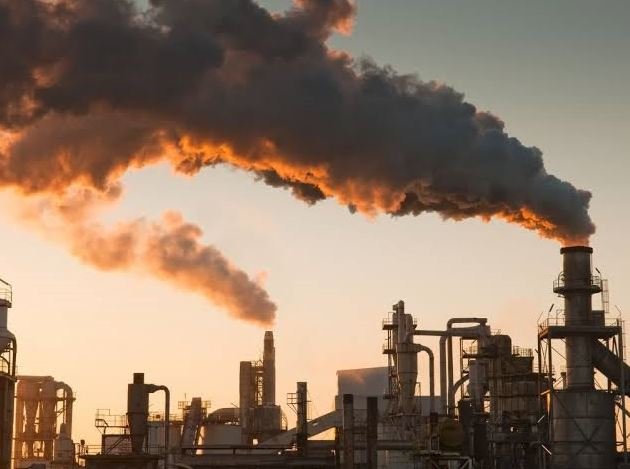
UNITED NATIONS: The United Nations has warned that climate-driven disasters are reaching “nightmare proportions,” urging governments to accelerate the transition away from fossil fuels as extreme weather events intensify across the globe.
In a statement issued on Wednesday, UN Climate Change Executive Secretary Simon Stiell said the world is facing an escalating climate emergency driven by continued dependence on coal, oil and gas.

“The climate alarm is blaring from every direction,” Stiell said, warning that the human and economic costs of climate change are now reaching national emergency levels.
His remarks come as record-breaking wildfires continue to sweep across France, Spain and other parts of Europe, following prolonged heatwaves that have dried vegetation and forced thousands of people to evacuate while disrupting regional economies.
In North Africa, temperatures are approaching 49°C, placing lives, livelihoods, hospitals and electricity systems under severe strain. Meanwhile, deadly storms have caused widespread destruction in Chile, while Japan is experiencing its longest-ever streak of temperatures exceeding 40°C.
Stiell said billions of people are now living with the reality of increasingly frequent and severe climate disasters as the world moves too slowly toward clean energy and fails to adequately protect forests.
He stressed that the scientific evidence is unequivocal: global warming caused by the large-scale burning of fossil fuels is making heatwaves, floods and powerful storms more frequent, intense and costly.
“What needs to be done is equally clear: leave coal, oil and gas behind faster, scale up renewable energy, and protect communities already facing the worst impacts of climate change,” he said.
The UN official also called for increased financial and technical support for vulnerable countries on the frontlines of climate change to help them strengthen resilience and accelerate the transition to clean energy.
Separately, the World Meteorological Organization (WMO) highlighted the growing global threat posed by wildfire smoke, noting that it can travel thousands of kilometres across borders, oceans and continents, creating serious public health risks.
The agency recalled that smoke from Canada’s wildfires spread across the northeastern United States and even reached Europe in 2023. This summer, Canadian wildfires have again blanketed parts of New York State with hazardous smoke, prompting widespread air quality alerts.
The WMO emphasized that accurate monitoring, forecasting, cross-border data sharing and effective early warning systems are essential to protect lives, livelihoods and ecosystems from wildfire smoke. Through its Early Warnings for All initiative, the organization is working to strengthen international cooperation, improve forecasting capabilities and enhance fire weather services worldwide.