Pakistan’s climate and water challenges are increasingly becoming governance challenges, not simply environmental ones. Floods, droughts, changing rainfall, glacier melt, water scarcity and rising temperatures are placing growing pressure on communities, agriculture and cities. But the scale of their impacts also depends on how effectively institutions can plan, coordinate, share information and respond.
The devastating 2022 floods, which affected more than 33 million people and caused billions of dollars in damage and economic losses, demonstrated the country’s vulnerability to climate shocks. Building resilience therefore requires action before disasters occur—through stronger institutions, reliable early-warning systems, better planning and effective local response.

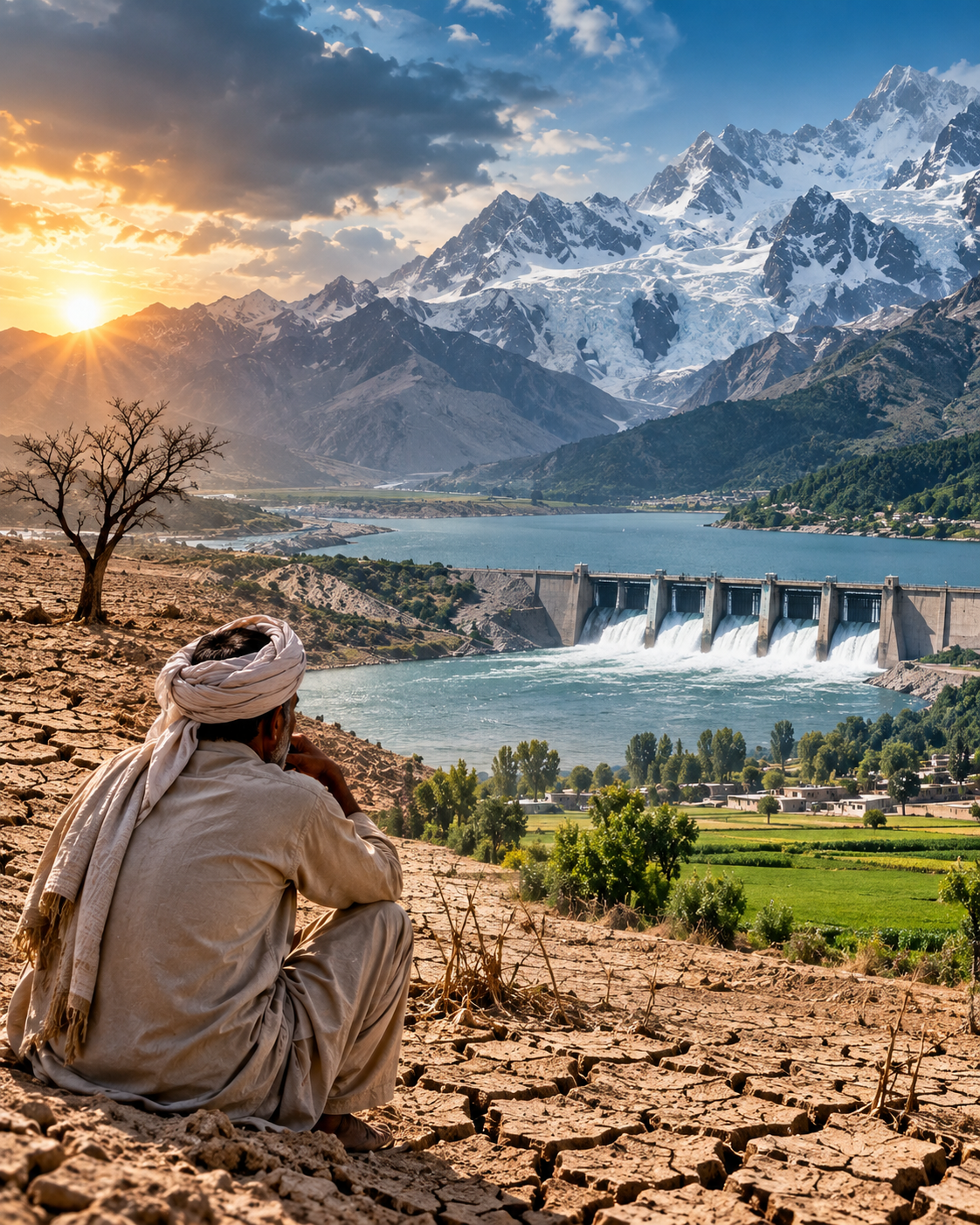
Water governance is particularly important because Pakistan’s economy and food production depend heavily on the Indus River System. Managing this resource requires credible data, transparent allocation mechanisms, modern telemetry, hydrological monitoring and stronger technical capacity. Institutions such as IRSA need reliable information and accountability systems to support informed decision-making and build confidence among provinces, farmers and the wider public.
At the same time, technical knowledge must be translated into information that people can understand and use. Policymakers, parliamentarians, farmers, journalists and communities require different forms of evidence. A “Know Your Audience” approach can help turn complex climate and water data into practical information about risks, responsibilities and possible responses.
With agriculture accounting for the overwhelming majority of Pakistan’s freshwater withdrawals, improving irrigation efficiency and making informed decisions about crops and water use are also essential. Strengthening existing institutions, investing in technical capacity, improving accountability and engaging communities can help Pakistan turn climate and water knowledge into effective action.
Pakistan’s climate resilience will depend not only on how much infrastructure and finance it has, but on how effectively its institutions can use them.