WASHINGTON D.C., June 3 (ABC):Pakistan is seeking stronger international cooperation in child mental health services through discussions with healthcare institutions in the United States. The initiative comes as policymakers and health experts work to improve mental healthcare access for children and adolescents, expand specialist training and strengthen mental health systems across the country.
The discussions took place during a visit by Minister of State for National Health Services, Regulations and Coordination Dr Malik Ahmed Mukhtar to Children’s National Hospital in Washington, D.C., as part of Pakistan’s participation in the Global Mental Health Summer Institute at George Washington University.
What is the visit about?

The visit focused on exploring opportunities for collaboration between Pakistan and Children’s National Hospital in areas related to child and adolescent mental health.
The Pakistani delegation met hospital leaders and specialists to discuss healthcare delivery models, research partnerships, workforce development and the use of technology in mental healthcare services.
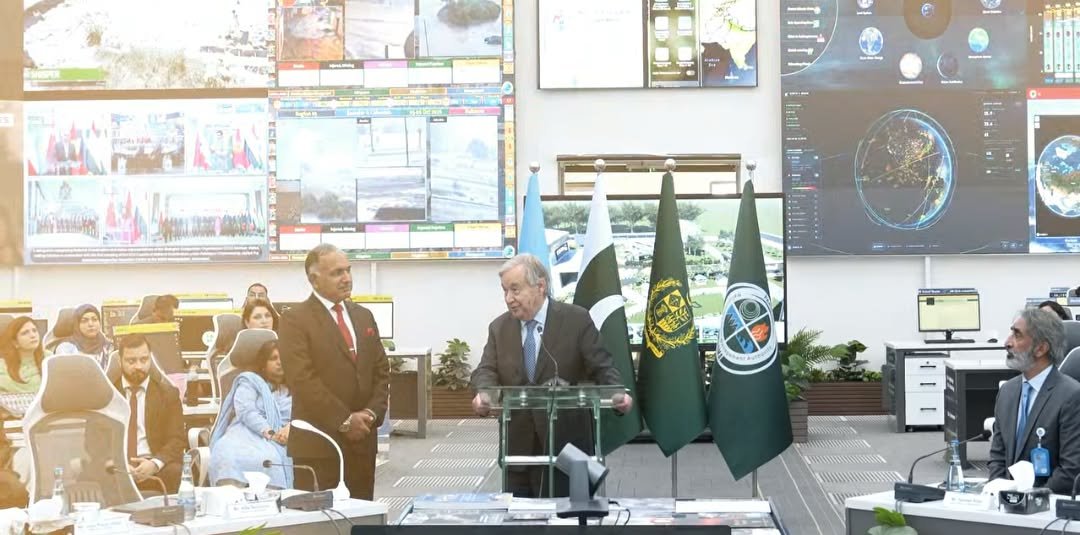
The delegation also toured key facilities, including the hospital’s CICU Command Center and the Sheikh Zayed Research Institute, where discussions covered pediatric healthcare research, medical innovation and digital health solutions.
Why does child and adolescent mental health matter?
Mental health conditions often begin during childhood or adolescence and can affect education, social development and long-term wellbeing.
Health experts increasingly emphasize early identification and treatment of mental health challenges to improve outcomes for young people and reduce the long-term burden on healthcare systems.
Child and adolescent mental health services typically include assessment, counseling, behavioral healthcare, family support and specialized treatment for mental health conditions.
What areas of cooperation were discussed?
Officials from both sides discussed several areas where collaboration could support mental healthcare development.
Key topics included:
- Integrated behavioral healthcare services
- Early intervention strategies
- Multidisciplinary treatment approaches
- Tele-mental health programs
- Workforce training and professional development
- Research partnerships
- Institutional collaboration between healthcare organizations
The discussions also examined how digital technologies and telemedicine can help improve healthcare delivery and clinical coordination.
Who could be affected?
Children, adolescents and families seeking mental healthcare services could benefit from improvements in service delivery, specialist training and access to care.
The discussions also have implications for healthcare professionals, educators, researchers and policymakers involved in mental health planning and implementation.
Officials highlighted the importance of coordination between the health and education sectors in supporting children’s mental wellbeing.
How does this fit into Pakistan’s mental health plans?
According to the Pakistani delegation, the discussions align with broader efforts to strengthen the country’s mental health system.
Officials highlighted ongoing work related to:
- Development and implementation of the National Mental Health Policy
- Expansion of community-based mental health services
- Workforce development and specialist training
- Evidence-based policymaking
- Progress toward Universal Health Coverage for Mental Health
The delegation also discussed support mechanisms for vulnerable populations and mental health challenges associated with climate-related impacts.
What role can technology play?
Technology was a significant focus of the visit.
Hospital officials briefed the delegation on telemedicine systems and digital healthcare tools that support clinical coordination and patient care.
Tele-mental health services allow healthcare professionals to provide consultations, counseling and follow-up care remotely, which can help improve access in areas with limited specialist services.
Experts increasingly view digital health platforms as a way to expand mental healthcare coverage, particularly in underserved communities.
What happens next?
Both sides explored opportunities for continued engagement through research cooperation, workforce training initiatives and institutional partnerships.
While no specific agreements were announced, the discussions focused on identifying areas where collaboration could support the development of child and adolescent mental health services in Pakistan.
The visit forms part of Pakistan’s broader efforts to strengthen mental healthcare systems and expand access to services for children, adolescents and families.