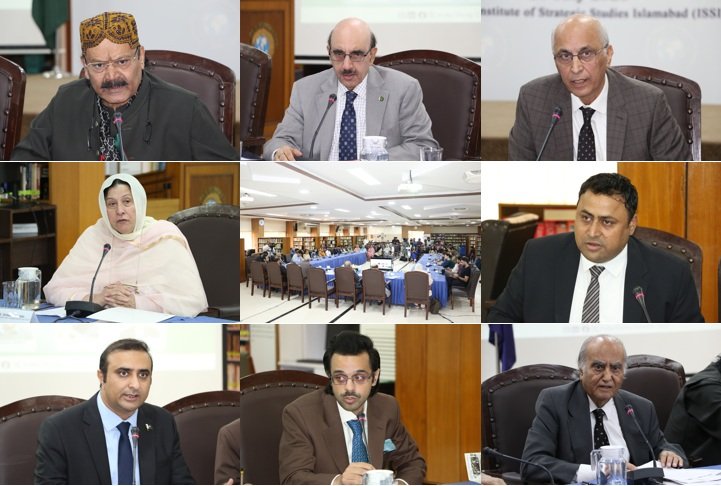
ISLAMABAD: The India Study Centre (ISC) at the Institute of Strategic Studies Islamabad (ISSI), in collaboration with the Youth Forum for Kashmir (YFK), organized a seminar titled “Youm-e-Ilhaq-e-Pakistan: Revisiting History, Shaping the Future” to commemorate Youm-e-Ilhaq-e-Pakistan.
The event was attended by Chairman of the Parliamentary Committee on Kashmir Rana Muhammad Qasim Noon as the chief guest, while former President of Azad Jammu and Kashmir Ambassador Masood Khan participated as the guest of honour. Other speakers included ISSI Director General Ambassador Moin ul Haque, Kashmiri leader and human rights activist Shamim Shawl, young Kashmiri scholar Saud Sultan, and Director of the India Study Centre Dr. Khurram Abbas.

In his welcome address, Ambassador Moin ul Haque said Youm-e-Ilhaq-e-Pakistan symbolizes the enduring bond between the people of Jammu and Kashmir and Pakistan. He recalled that on July 19, 1947, the All Jammu and Kashmir Muslim Conference adopted a resolution expressing the desire of the Muslim-majority state to accede to Pakistan. He said Pakistan has consistently supported a peaceful resolution of the Kashmir dispute through dialogue and diplomacy.
Addressing the gathering, Rana Muhammad Qasim Noon said July 19 holds historic significance in the Kashmir freedom movement. He described the 1947 resolution as a clear expression of the political, cultural and ideological affinity between the people of Jammu and Kashmir and Pakistan. He reaffirmed Pakistan’s support for the Kashmiri people and called on the international community to recognize their aspirations and address what he described as ongoing human rights concerns in Indian-administered Kashmir.
Ambassador Masood Khan said the accession movement was closely linked to the ideological foundations of Pakistan. Referring to United Nations Security Council resolutions, he said they recognize the right of the people of Jammu and Kashmir to determine their future through a plebiscite.
Earlier, Dr. Khurram Abbas said July 19 is observed every year by Kashmiris as the day of accession to Pakistan. He noted that geographical, cultural, religious and economic ties made accession to Pakistan a natural choice for many Kashmiris at the time.
Shamim Shawl highlighted the challenges faced by people in Indian-administered Kashmir and paid tribute to Kashmiri leaders who, she said, had struggled for the cause of self-determination.
Saud Sultan discussed historical debates surrounding the Instrument of Accession and urged young people to promote credible research, responsible advocacy and informed digital engagement to counter misinformation.
Concluding the seminar, ISSI Chairman Ambassador Khalid Mahmood said the 1947 resolution reflected the historical, geographical, cultural and economic links between Pakistan and Jammu and Kashmir. He reiterated that the future of the territory should be determined in accordance with the wishes of the Kashmiri people.