Experimental Treatment Aims to Fight Drug-Resistant Bacterial Infections
Scientists have reportedly administered viruses designed with the help of artificial intelligence (AI) to a human patient for the first time, marking a potential milestone in the search for treatments against bacterial infections that no longer respond to antibiotics.

The experimental treatment was developed by California-based AI startup Radical Numerics, using its AI model, Omni One. According to the company, the therapy was given to a patient suffering from a serious bacterial infection for which conventional treatment options were limited.
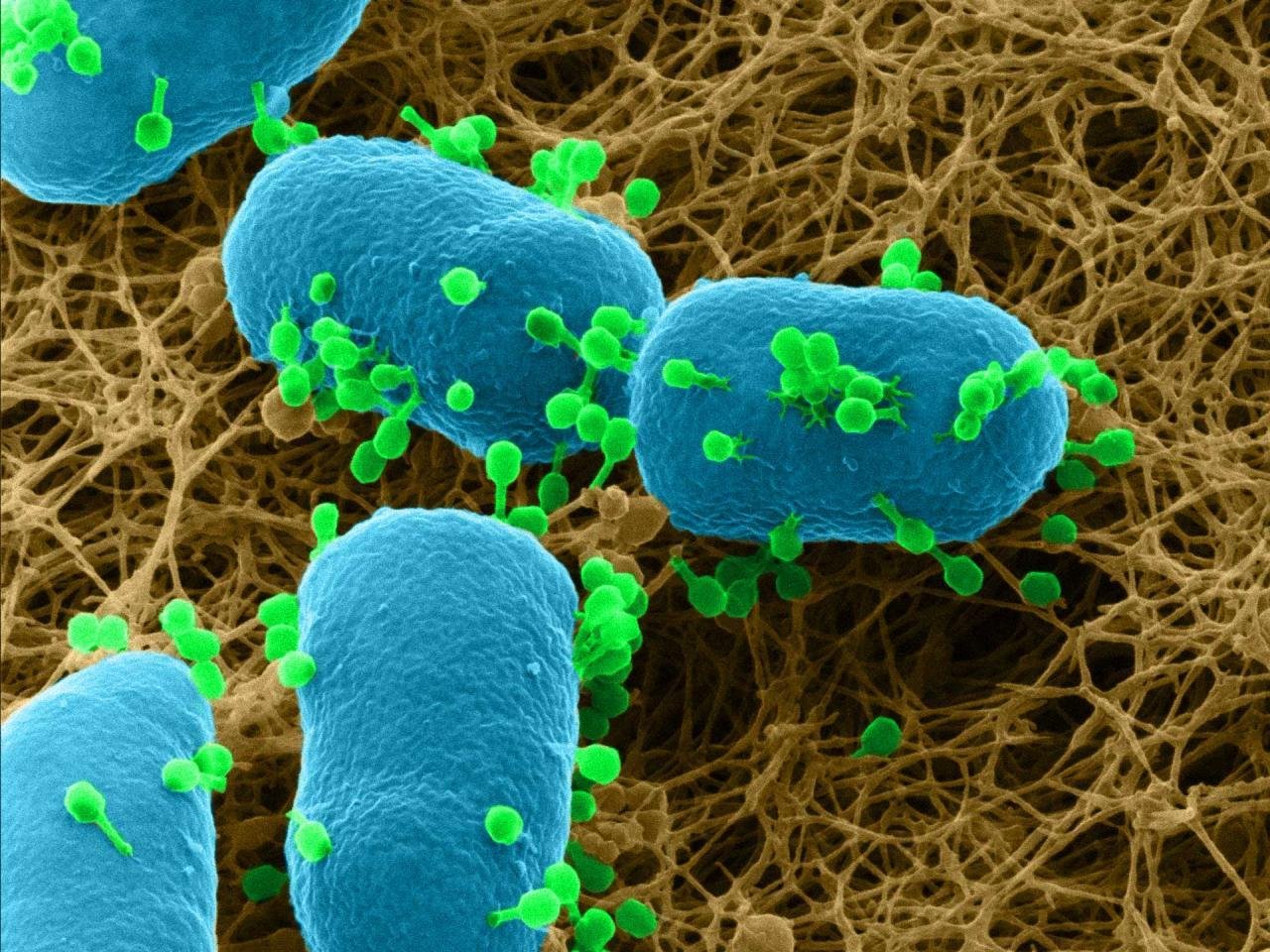
The approach uses bacteriophages, commonly known as phages—viruses that infect and destroy bacteria without targeting human cells. Doctors have already used phage therapy experimentally in severe bacterial infections, particularly when standard treatments prove ineffective.
Unlike conventional approaches that rely on finding naturally occurring phages capable of attacking a particular bacterium, Omni One reportedly redesigned part of a virus to help it recognize and target the specific bacteria responsible for the infection.
Radical Numerics said its AI system could eventually accelerate the process of developing targeted phages, potentially reducing the time needed to identify a suitable treatment from weeks or months to just days.
Laboratory Results Show Promise
Before administering the treatment, the company said it tested the AI-designed viruses against bacterial samples obtained from the patient.
According to Radical Numerics, the virus mixture completely eliminated the antibiotic-resistant bacteria in laboratory tests. However, the company has not disclosed the patient’s exact diagnosis, whether the infection was ultimately cleared, or whether the treatment produced a measurable clinical benefit.
The treatment was administered through a special programme that allows doctors to try experimental therapies when conventional options are limited.
Although Radical Numerics described the case as the first use of AI-designed phages to treat a human patient, the findings have not yet been independently validated in a published scientific paper.
Previous Research and Safety Concerns
The development follows earlier research into AI-designed viruses. In August, researchers from Stanford University and the Arc Institute reported creating AI-designed viruses capable of killing E. coli bacteria in laboratory experiments.
The researchers generated nearly 300 genetic designs and tested them, successfully producing 16 active viruses. Those experiments, however, were conducted against bacteria in laboratory settings—not in human patients.
The ability to design new viruses using AI has raised questions about biological safety and the potential misuse of the technology. Researchers have stressed the importance of safeguards, particularly as AI systems become more capable of supporting advanced biological research.
While AI-designed phages could eventually offer new options for treating difficult bacterial infections, further clinical evidence and independent scientific evaluation will be needed to establish their safety and effectiveness.