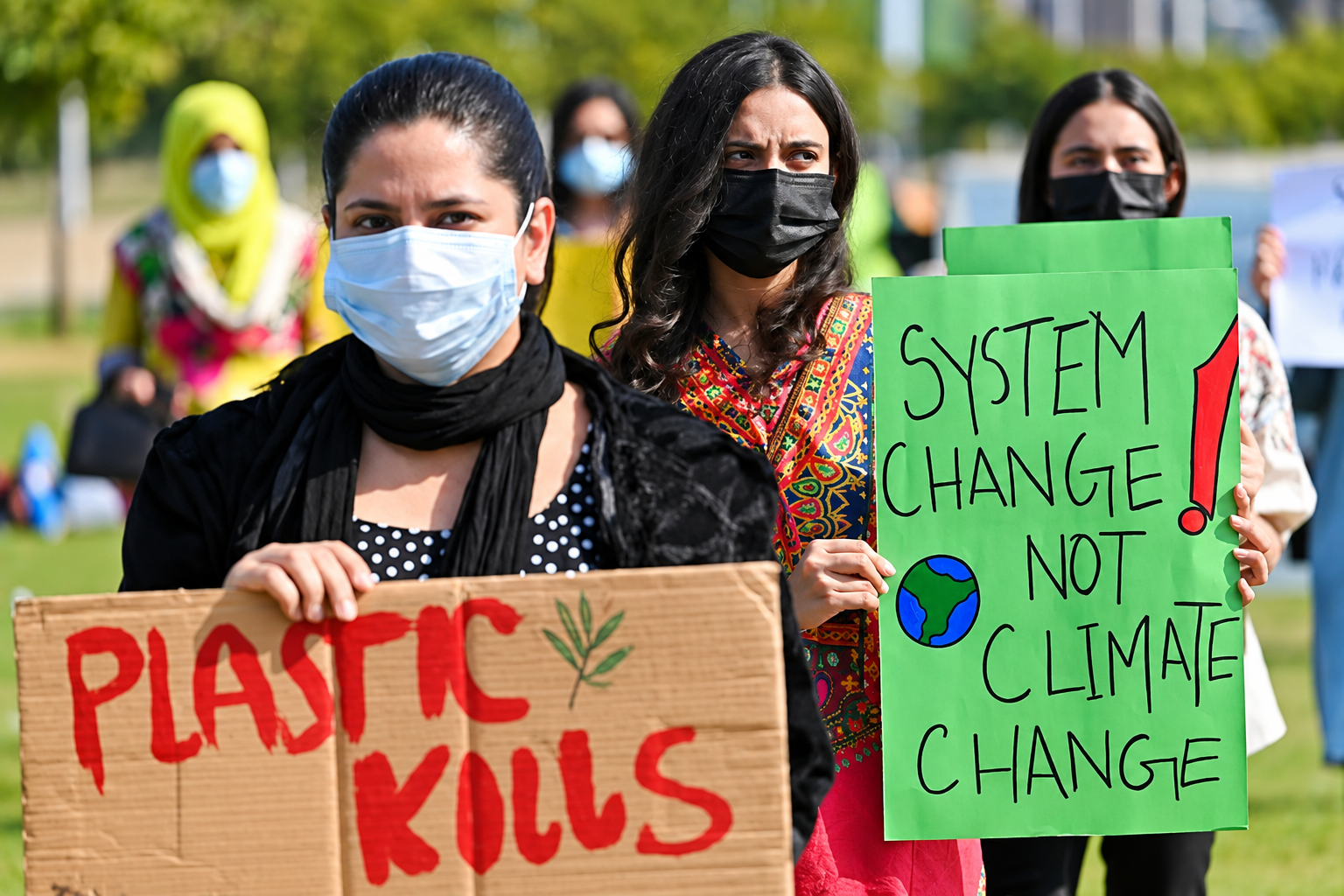
ISLAMABAD, October 30, 2026 — Health and environmental experts have urged Pakistan to strengthen its climate resilience and disaster preparedness as a new Lancet report warns that heat-related deaths, floods, droughts and economic losses are increasing worldwide.
The 2026 Lancet Countdown report has called for climate change to be recognised as a global health emergency, highlighting the growing threat to public health despite international efforts to address the crisis. According to the report, average annual heat-related deaths worldwide have increased by 36 per cent since the Paris Agreement. Heat was associated with a record 710,000 deaths in 2023, while heat-related economic losses were estimated at $1.07 trillion in 2025.
Pakistan’s Disaster Preparedness Under Criticism

Former Punjab health minister Professor Dr Javed Akram said Pakistan faces serious climate-related health risks, recalling the devastating floods of 2022, which displaced communities, damaged healthcare infrastructure and disrupted access to essential medicines. The disaster also increased the risk of waterborne diseases and malnutrition.
He criticised the country’s largely reactive approach to disaster management, arguing that preparations often begin only after a crisis has struck.
Dr Akram called for stronger heat-health action plans, effective early-warning systems, climate-resilient hospitals, improved disease surveillance and better access to safe drinking water and sanitation. He also urged federal and provincial governments to allocate dedicated funding for climate-resilient healthcare and called for predictable, grant-based climate financing from international partners.
Climate Change Becoming a Public Health Emergency
Dr Zafar Mirza, a former special assistant to the prime minister on health, warned that extreme heat, flash floods, cloudbursts and worsening air quality were contributing to illness and deaths across Pakistan.
He said climate-related disasters also disrupt healthcare services, contaminate water supplies, undermine nutrition, deepen poverty and increase psychological distress.
Dr Mirza stressed the need to strengthen healthcare facilities against climate threats, improve disease surveillance and establish reliable early-warning systems. He also called for coordinated action across the health, climate, water, energy and finance sectors.
Experts Call for Greater Global Attention
Dr Muhammad Irfan Khan, an environmental science professor and former dean at the International Islamic University, expressed concern that Pakistan’s climate vulnerability was not highlighted in the Lancet Countdown’s launch statement.
Referring to the Germanwatch Climate Risk Index 2025, he noted that Pakistan was ranked as the country most affected by extreme weather in 2022.
Dr Khan urged international institutions to give greater attention to climate-vulnerable countries, ensuring their experiences help shape global research, investment and climate policies.
Experts say Pakistan needs to move beyond emergency responses towards long-term planning that protects public health, strengthens essential services and prepares communities for increasingly severe climate hazards.