LAHORE, Apr 28 (ABC): Punjab is preparing to expand its central business district (CBD) model to several major cities, a move aimed at organizing urban economic activity and attracting investment beyond Lahore.
What is being planned?
Telling Wealth Pakistan The Punjab Central Business District Development Authority is conducting feasibility studies to establish CBD projects in cities including Rawalpindi, Faisalabad, Gujranwala, Sialkot, Multan, and Bahawalpur.
The plan follows the launch of a flagship CBD project in Lahore, which officials say has attracted investor interest and initiated large-scale urban development.
A central business district CBD typically refers to a designated urban area where commercial, financial, and business activities are concentrated. These zones often include office buildings, retail spaces, and supporting infrastructure.
Why does it matter?
The expansion is intended to decentralize economic growth by creating multiple commercial hubs across Punjab. Officials say this could help reduce pressure on Lahore while promoting more balanced urban development.
By concentrating businesses and services in planned districts, authorities aim to improve efficiency, increase formal economic activity, and make cities more attractive to investors.
What is happening in Lahore’s CBD?
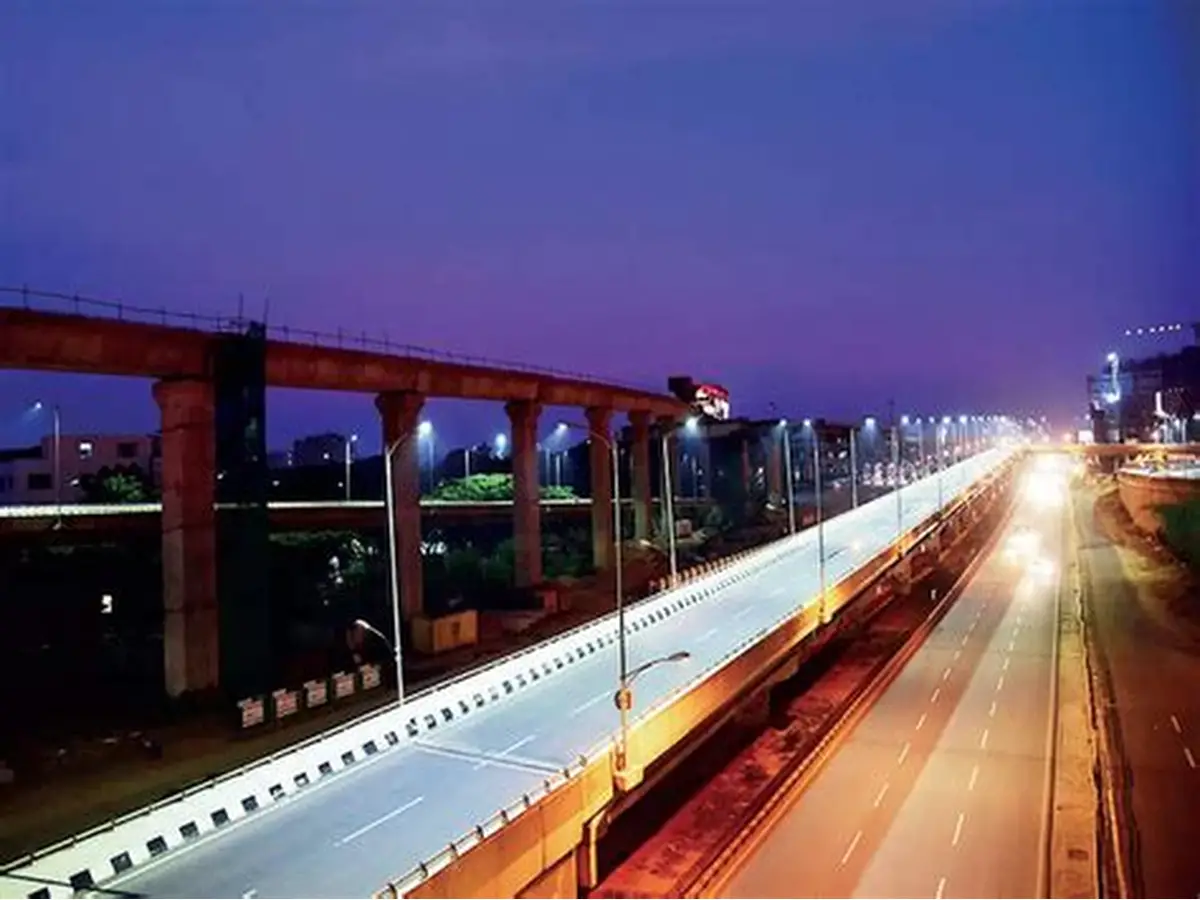
The Lahore project includes several developments designed to support modern urban activity. These include Route 47, an infrastructure corridor intended to improve connectivity, as well as projects such as CBD Walk and CBD Arena, which are planned for commercial, recreational, and event use.
According to officials, both infrastructure work and building development are underway, indicating that the project has moved beyond the planning stage.
Who is involved?
The authority has engaged international planners and private developers to design and build projects within the CBD framework. The goal is to align local development with global urban planning standards.
Urban planning experts are also contributing to the discussion. Nasir Javed, a former head of the Punjab Urban Unit, said CBDs can support economic growth if they are adapted to the specific strengths of each city.
What factors will influence success?
Experts note that the effectiveness of CBDs depends on how well they match local economic activities. For example:
- Textile-related services in Faisalabad
- Technology and administrative services in Rawalpindi
- Logistics and agricultural processing in Multan
They also highlight the importance of transport systems, regulatory clarity, and skilled labor in making such districts functional.
In developed countries such as the United States, CBDs evolved over time into dense networks of finance, commerce, and governance, supported by strong infrastructure and institutions.
What happens next?
The next phase involves completing feasibility studies and refining city-specific plans. Implementation will depend on investment flows, infrastructure readiness, and policy continuity.
Officials indicate that the broader objective is to develop multiple urban centers that can support economic growth while maintaining sustainable and organized city expansion.