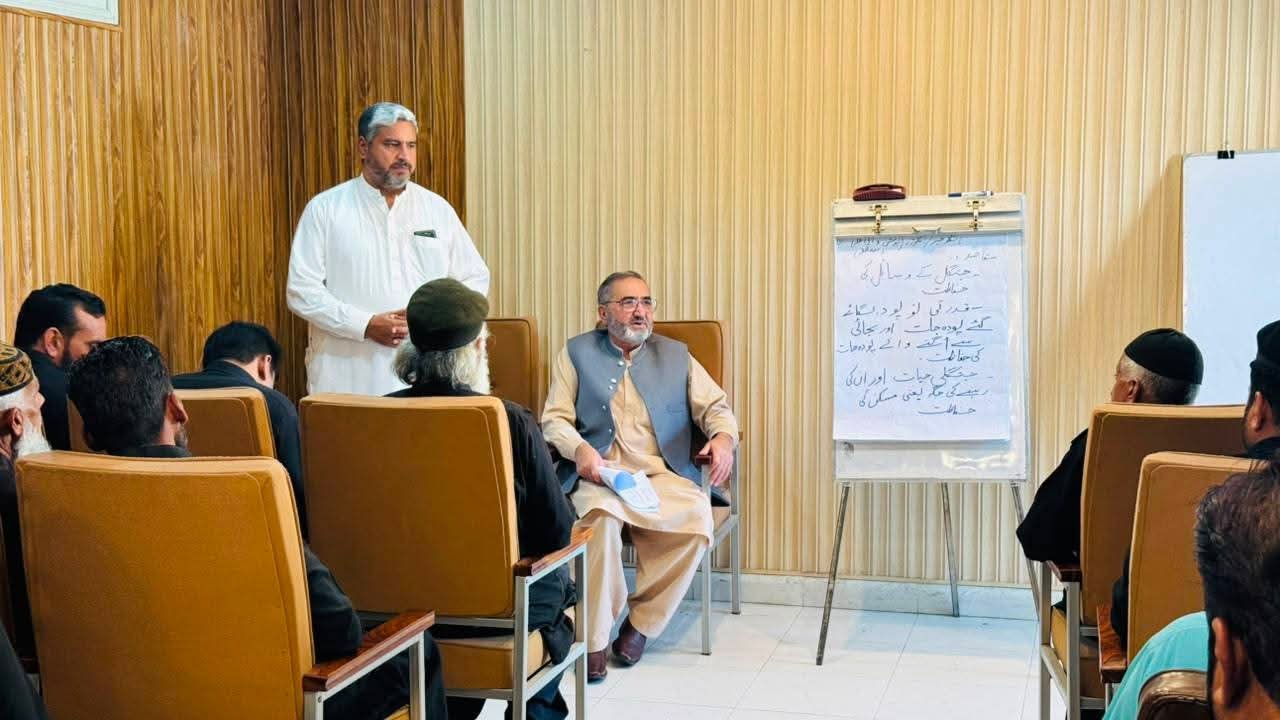
The Food and Agriculture Organization of the United Nations (FAO) held a three-day training in Quetta to strengthen the integration of environmental and social safeguards into development projects in Balochistan.
The training, conducted from September 8 to 10 at BUITEMS, brought together academics, development professionals and government officials. It focused on agriculture, livestock and water-resources interventions, with participants learning how to identify potential risks and develop appropriate mitigation measures.
Training Covers Key Safeguard Measures

The sessions were delivered by FAO’s Environmental and Social Management (ESM) Unit based in Rome. Participants were introduced to the organization’s Environmental and Social Management Framework and approaches for ensuring development interventions are implemented responsibly and inclusively.
Key topics included stakeholder engagement, grievance redress mechanisms, Free, Prior and Informed Consent (FPIC), environmental and social assessments, gender equality and social inclusion, and compliance monitoring.
Participants also took part in practical group exercises using case studies related to the Balochistan Rural Water for Resilience Project (RBWRP) and livestock interventions.
Participants Apply Safeguards to Local Projects
During the exercises, participants assessed potential environmental and social risks, identified affected groups and developed possible safeguard measures for different project scenarios.
The training began in the presence of Waleed Mahdi, Head of Office, FAO Balochistan, and Naveed Shaikh, Director of the Provincial Disaster Management Authority (PDMA).
The closing session was attended by Dr Zahoor Bazai, Vice Chancellor of the University of Balochistan, as guest of honour, along with Dr Azam Kakar of FAO.
The training highlighted the importance of environmental assessment and stakeholder engagement for projects involving water, land, agriculture, livestock and rural communities. Such safeguards are intended to help identify risks early, strengthen social inclusion and support more sustainable development intervention