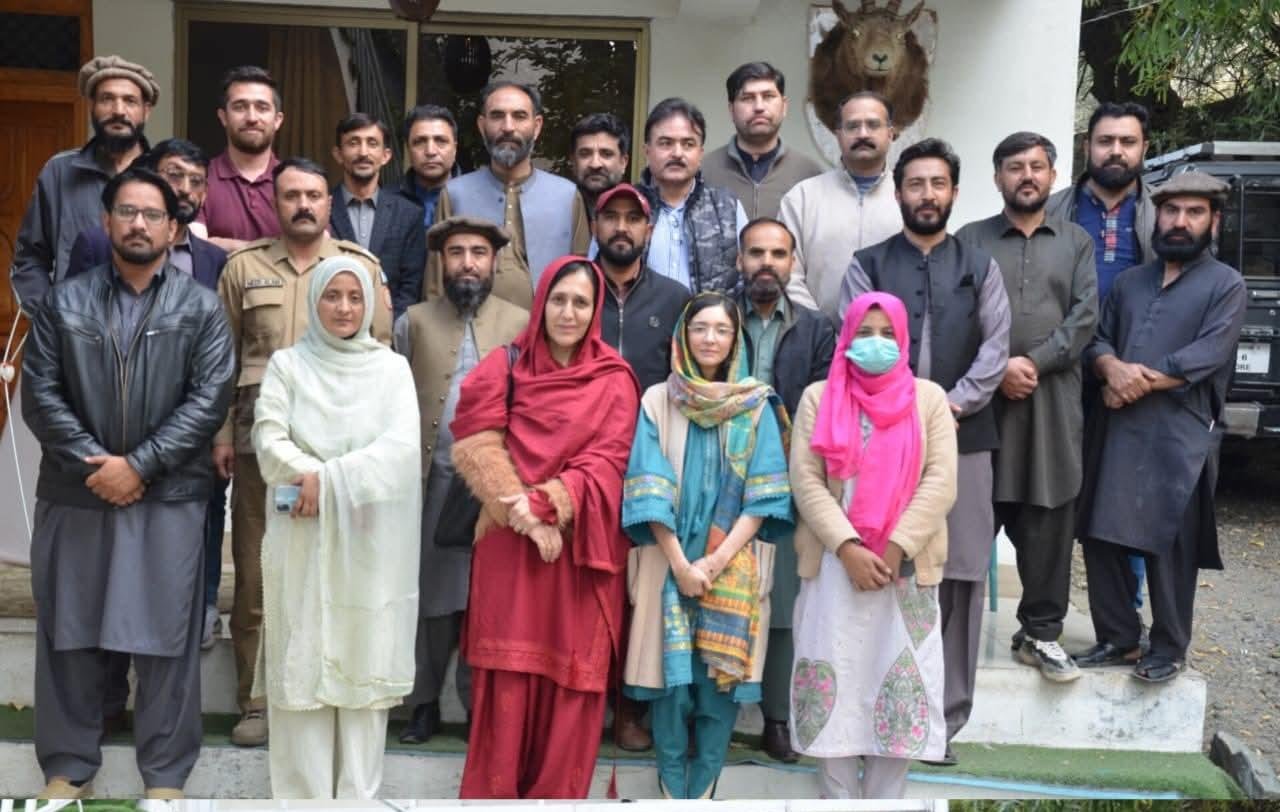
ASTORE, GILGIT-BALTISTAN: The Sustainability and Resilience Programme (SRP) team has conducted five one-day consultation workshops in Astore District to support the development of a local adaptation plan aimed at strengthening climate resilience, improving disaster preparedness and promoting sustainable natural resource management.
Held from September 25 to October 1, 2026, the workshops were organised by SRP team members Muhammad Awais Umar, Ali Rehmat and Syeda Safina Ali under the initiative titled Promoting Anticipatory Action to Address Climate and Environment Risks for Community Transformation (PROAACT).

The initiative is being implemented by the Sustainable Development Policy Institute (SDPI) in Astore in collaboration with the International Centre for Integrated Mountain Development (ICIMOD), under the European Union–United Nations Environment Programme (EU–UNEP) Partnership on Climate Change, Environment, Peace and Stability.
The consultations aimed to identify early warning signs of climate-related risks, strengthen anticipatory approaches to climate change adaptation and encourage sustainable management of natural resources. Participants included stakeholders from union council and district levels, bringing local perspectives and institutional experience into the planning process.
A key focus of the workshops was translating knowledge generated through earlier foresight exercises into a practical, scalable and locally relevant adaptation plan. The approach is intended to help communities and local authorities anticipate emerging risks and identify measures that can strengthen preparedness before climate-related hazards escalate into disasters.
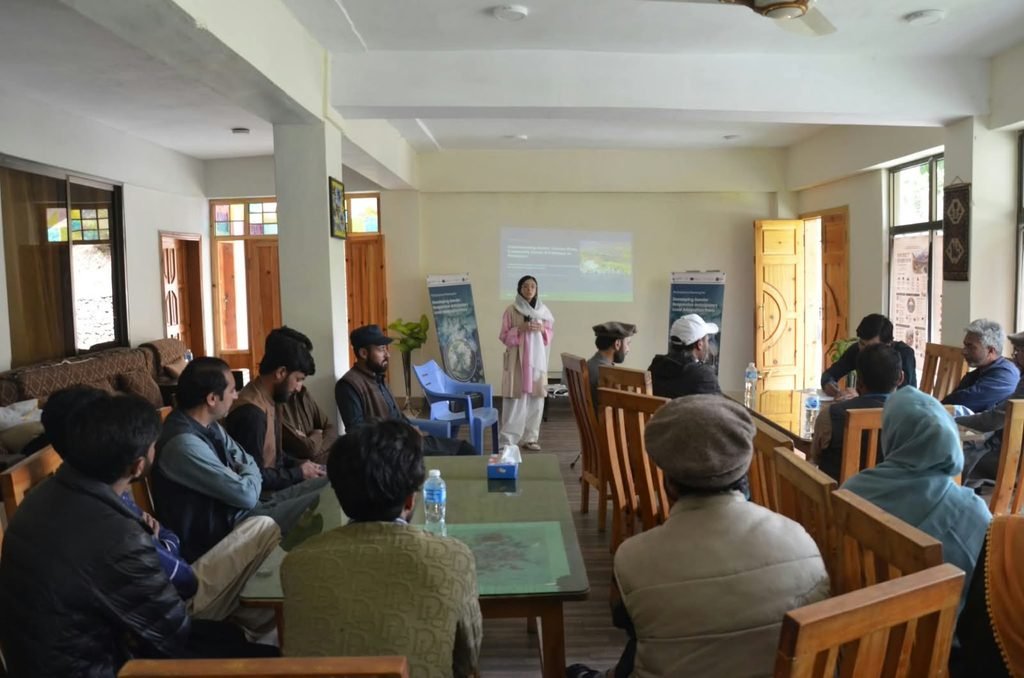
The sessions also explored ways to develop and implement an inclusive, gender-responsive local adaptation plan. Participants were encouraged to consider the needs and perspectives of different community groups so that climate resilience measures can better reflect local circumstances and priorities.
For mountain communities such as those in Gilgit-Baltistan, forward-looking adaptation planning can help improve preparedness for climate-related hazards, support the sustainable use of natural resources and strengthen the capacity of local institutions to respond to changing environmental conditions.
The workshops also highlighted the importance of coordination between community representatives and government officials in turning climate information into practical action. Stronger collaboration can help connect local knowledge, early warning systems and district-level planning with long-term resilience goals.
The SDPI team expressed gratitude to community representatives, government officials and other stakeholders for their active participation throughout the consultation process, emphasising the collective effort required to strengthen local disaster preparedness and climate resilience.
The initiative represents an effort to place locally informed adaptation planning at the centre of climate risk management in Astore, with the goal of supporting communities in preparing for future environmental challenges.