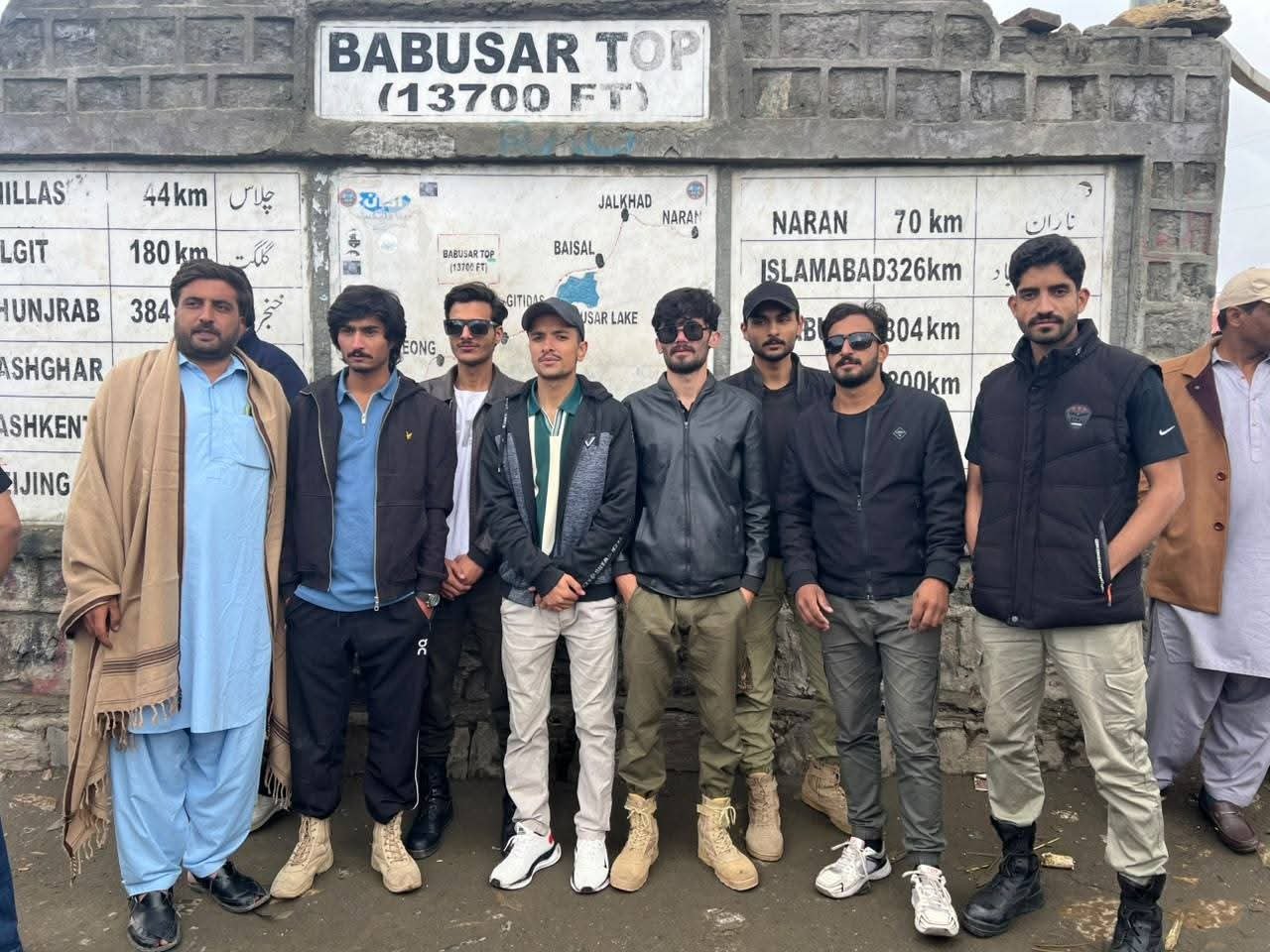
HARIPUR, September 16, 2026: The Department of Forestry and Wildlife Management at the University of Haripur has completed Day 6 of the Hazara Forest and Wildlife Gradient Expedition 2026, focusing on high-altitude ecosystems, biodiversity and rangeland management along the Naran-Babusar corridor.
The field study covered the elevation range from Naran to Babusar Top, approximately 10,000 to 13,500 feet, with researchers examining sub-alpine and alpine ecosystems and changes in vegetation along the elevation gradient.

The team explored habitats near the timberline at around 13,000 feet, studying the transition from dense sub-alpine vegetation to more open alpine areas. Researchers documented alpine grasses, dwarf shrubs and other vegetation adapted to cold temperatures, strong winds and short growing seasons.
The expedition also included surveys of sub-alpine and alpine meadows, locally known as margs. The team assessed vegetation cover, biomass production and ecosystem stability while examining how plants adapt to high levels of ultraviolet radiation, freezing temperatures and harsh weather conditions.
Wildlife and biodiversity were another key area of the field study. Researchers assessed wildlife distribution and habitat use at different elevations, while also examining the effects of livestock grazing and the ecological niches available to different species.
The team also evaluated wildlife movement corridors and seasonal movement between sub-alpine habitats and alpine pastures. Understanding these connections is important for maintaining habitat continuity and supporting biodiversity in mountain ecosystems.
The field study further examined summer livestock grazing, human-wildlife coexistence and sustainable management of rangelands along the Naran-Babusar route.
Mountain meadows and alpine rangelands provide important ecological services and support both biodiversity and local livelihoods. Sustainable management of these areas is therefore important for maintaining healthy mountain ecosystems.
The Department of Forestry and Wildlife Management expressed its gratitude to the Khyber Pakhtunkhwa Forest Department and KP Wildlife Department for their continued technical support and field facilitation during the expedition.