ISLAMABAD: A two-day National Climate Reporting Training brought together journalists from across Pakistan to strengthen their understanding of climate change, its far-reaching impacts and the evolving requirements of effective climate and environmental reporting.
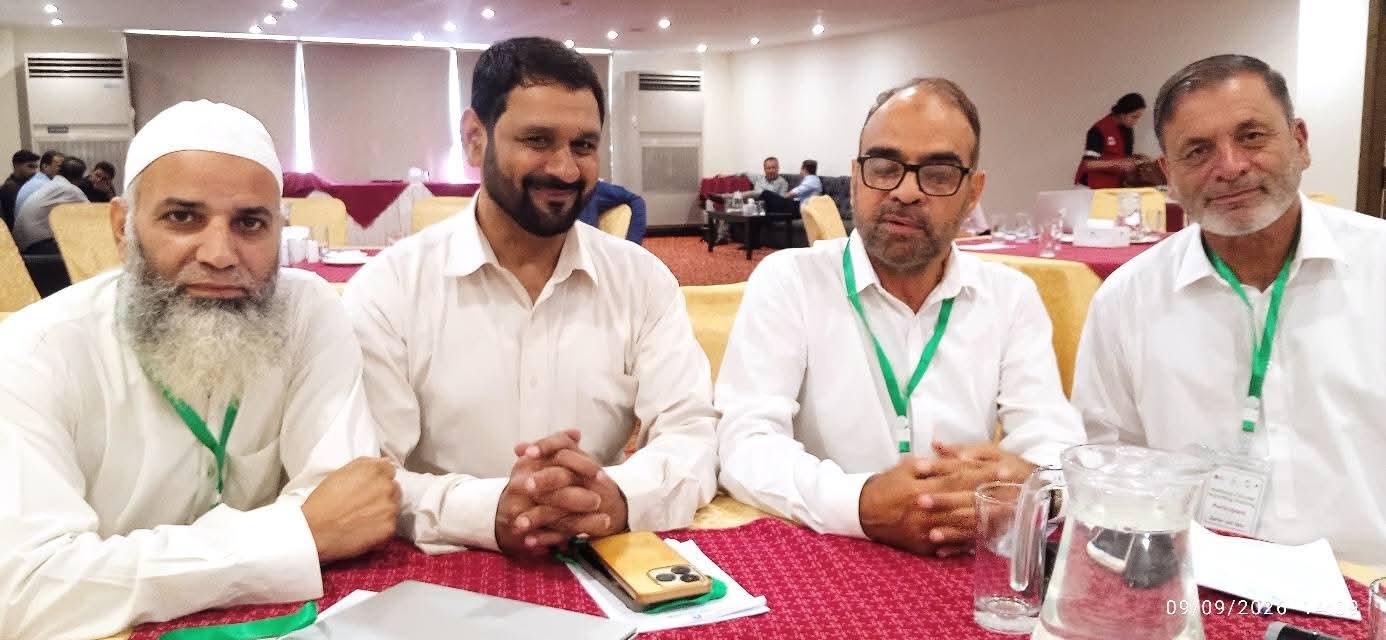
The training was organized by the German Red Cross and Pakistan Red Crescent Society at a local hotel in Islamabad, with journalists from all four provinces, Gilgit-Baltistan, Azad Jammu and Kashmir and the tribal districts participating in the programme.

Journalists, including men and women working in different fields of media, represented 25 districts, making the training an important platform for knowledge-sharing, professional learning and networking among climate reporters from diverse regions of the country.
The primary objective of the training was to equip journalists with contemporary skills for reporting climate change and its impacts in a more effective, responsible and people-centered manner, while also establishing a stronger network among media professionals working on climate and humanitarian issues.
The opening session featured remarks by Asif Aman of the German Red Cross. Blogger and vlogger Abdul Razzaq Khatti, Kecra Project representatives Sajjad Qandheer and Murtaza Talpur, and moderator Aniba Waqar contributed to discussions on various aspects of climate and media reporting.
Deputy Director Media and Communications of the Pakistan Red Crescent Society, Sher Zaman, delivered a detailed multimedia presentation on the history, activities and humanitarian role of the Red Cross and Red Crescent Movement. Assistant Director Rehan Ali also participated in the training activities.
Climate Change Reporting Needs a New Perspective
Speakers emphasized that journalists have an important responsibility to explain complex climate change issues to the public in clear, accessible and engaging language.
The participants were reminded that climate change is no longer merely an environmental issue. It has become a major humanitarian challenge directly affecting human life, health, livelihoods, food security, water resources, housing and infrastructure.
Although Pakistan is not among the world’s largest contributors to greenhouse gas emissions, it remains highly vulnerable to the impacts of climate change. Floods, extreme rainfall, heatwaves, droughts, glacier melt and other climate-related hazards regularly cause loss of life and damage to homes, crops, roads, bridges and other infrastructure.
Against this backdrop, participants were encouraged to move beyond conventional event-based reporting and incorporate a “Climate Change Angle” into their everyday environmental and weather stories.
For instance, coverage of a flood, heatwave, extreme rainfall, drought or glacier-related incident should not be limited to reporting what happened. Journalists were encouraged to explore the climate context, possible contributing factors, human consequences, expert perspectives and potential future risks associated with the event.
Such an approach can help transform climate reporting from routine incident coverage into journalism that informs communities, encourages preparedness and contributes to greater public awareness of climate risks.
Practical Training and Climate-Sensitive Reporting
The training included sessions on story writing, climate-sensitive reporting and practical exercises, enabling participants to develop effective and responsible climate stories that combine credible data with compelling human experiences.
The programme also familiarized journalists with the history and humanitarian work of the Red Cross and Red Crescent Movement, including its response to natural disasters and other emergencies.
Speakers stressed that effective climate communication requires accurate information, responsible storytelling and a strong focus on the people affected by climate-related hazards. Human-centered reporting, they noted, can make complex scientific and environmental issues more understandable and relevant to wider audiences.
The training concluded with an emphasis on strengthening collaboration among journalists and encouraging continued coverage of climate change from social, economic, environmental and humanitarian perspectives.
As Pakistan continues to face increasing climate-related risks, participants observed that the media has a vital role in building an informed and resilient society. Accurate and responsible climate journalism can help communities understand emerging risks, promote preparedness and encourage informed action.
Photography for the training was covered by Usman Bangash and Zaka Rasool.