ISLAMABAD: The National Emergencies Operations Centre (NEOC) of the National Disaster Management Authority (NDMA) has issued an advance alert regarding the risk of flash floods and landslides across vulnerable areas of the country from August 13 to 15, 2026.
According to the alert, rainfall expected in upper catchment areas of rivers during the period may trigger sudden flooding in local streams, hill torrents and other waterways. Strong winds, thunderstorms and heavy rainfall are also expected at several locations in the upper parts of the country.

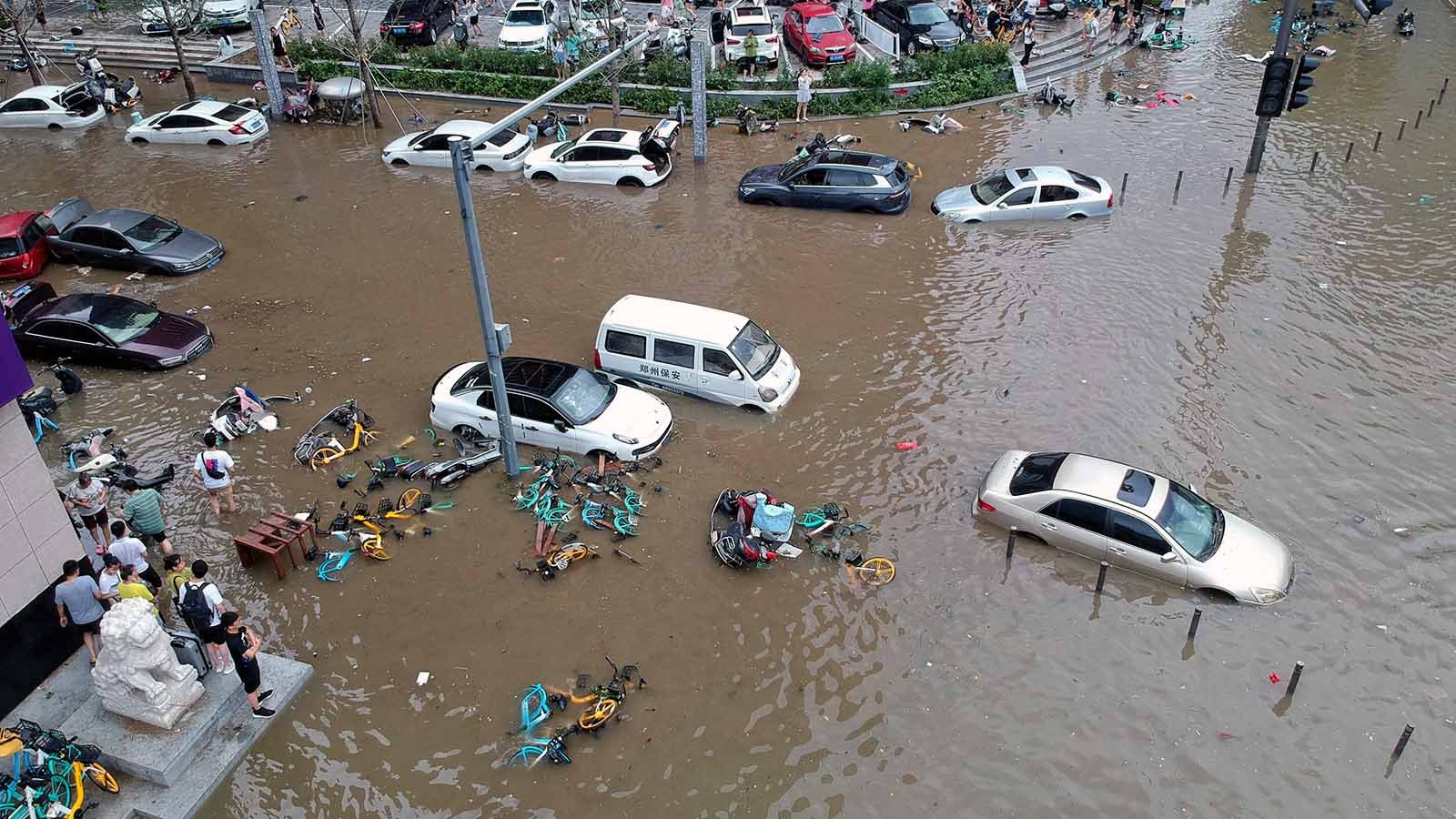
The NDMA warned that several districts of Khyber Pakhtunkhwa, Azad Jammu and Kashmir and Gilgit-Baltistan could face urban flooding, flash floods and rising water levels in local and hill streams.
In Khyber Pakhtunkhwa, vulnerable areas include Chitral, Swat, Shangla, Battagram, Upper and Lower Dir, Kohistan, Abbottabad, Mansehra, Haripur, Bajaur, Buner, Kurram, Orakzai, Mardan, Swabi and Nowshera.
In Azad Jammu and Kashmir, Haveli, Poonch and Sudhanoti have been identified as potentially vulnerable, while in Gilgit-Baltistan, risks have been highlighted for Kharmang, Ghanche, Gilgit, Nagar, Diamer, Hunza, Ghizer, Gupis-Yasin and Astore.
Punjab and northeastern Balochistan may also experience flooding in hill torrents and rain-fed streams during the forecast period.
The NDMA identified Musakhel, Barkhan, Khuzdar and Dera Bugti in Balochistan, and Murree, Dera Ghazi Khan and Rajanpur in Punjab as areas where hill torrents could experience increased flows.
Low-level flooding is also expected at several major river monitoring points, including Tarbela, Kalabagh, Chashma, Guddu and Sukkur on the Indus River, Balloki on the Ravi, and Marala and Khanki on the Chenab.
Some urban areas of Punjab and Khyber Pakhtunkhwa may also face localized flooding due to heavy rainfall. The alert specifically mentioned Sialkot, Lahore, Gujrat, Gujranwala, Bhakkar, Rawalpindi, Islamabad, Kasur, Okara, Mardan and Swabi.
Landslide risk in Gilgit-Baltistan
The NEOC has separately warned of an increased risk of landslides in Gilgit-Baltistan from August 14 to 15, particularly in mountainous areas.
Hunza, Nagar, the Gilgit-Skardu Road and Shigar have been identified as sensitive areas.
The alert also highlighted potential landslide risks in Misgar, Sost, Passu, Hussainabad, Gulmit, Gulkin, Shishkat, Shimshal, Hassanabad, Minapin, Hopper, Hoper/Huspar, Naltar, Bagrot, Haramosh, Arandu, Basha, Askole, Hushe and Machulo.
Landslides could disrupt traffic on the Karakoram Highway and the Gilgit-Hunza-Sost and Gilgit-Skardu corridors.
The NDMA advised travellers and local residents to avoid unnecessary travel on mountainous roads vulnerable to landslides and to adopt precautionary measures.
NDMA urges public to remain vigilant
The NDMA has directed relevant authorities to maintain continuous monitoring of vulnerable mountainous areas and keep rescue teams prepared for immediate response to any emergency.
The public has been advised to avoid crossing flooded streams, submerged roads, bridges and areas with fast-moving water. Residents of flood-prone areas, tourists and travellers have also been urged to stay away from riverbanks and streams.
The NDMA cautioned that the risk of landslides, debris flows and flash floods increases during the monsoon, particularly in mountainous regions.
Travellers have been advised to check the latest weather forecast and road conditions before beginning their journey. Unnecessary travel should be avoided whenever heavy rainfall or other weather-related warnings are issued.
Tourists visiting mountainous areas have also been urged to remain particularly cautious around rain-fed streams, where water levels can rise suddenly and without warning.
The authority further advised citizens to follow instructions issued by local administrations and completely avoid roads closed by the authorities.
The NDMA said it was continuing to provide timely information and alerts to relevant institutions regarding emerging weather and disaster risks.
The public can also obtain timely updates through the official Pak NDMA Disaster Alert mobile application.
Also Read: NDMA Warns of Rising River Flows, Flash Flood Risk in Several Areas