
ISLAMABAD: A pilot project launched under the Benazir Income Support Programme (BISP) has shown progress in improving nutrition awareness and reducing the risk of iron-deficiency anemia among adolescent girls in seven districts across Pakistan.
According to programme data shared at a dissemination event in Islamabad, 103,289 girls received Weekly Iron and Folic Acid (WIFA) supplements in 425 schools. In addition, 247,956 girls took part in school-based sessions designed to promote healthy dietary habits and awareness about anemia prevention.

Also Read: BISP chairperson holds meeting with PPP women leaders from Kurram on skills development
The initiative, known as SOPRAN (Social Protection for Adolescent Nutrition), was presented during the “SOPRAN Learning Dissemination” event organized by BISP in partnership with German Development Cooperation and the Bill & Melinda Gates Foundation.
Leveraging social protection for nutrition
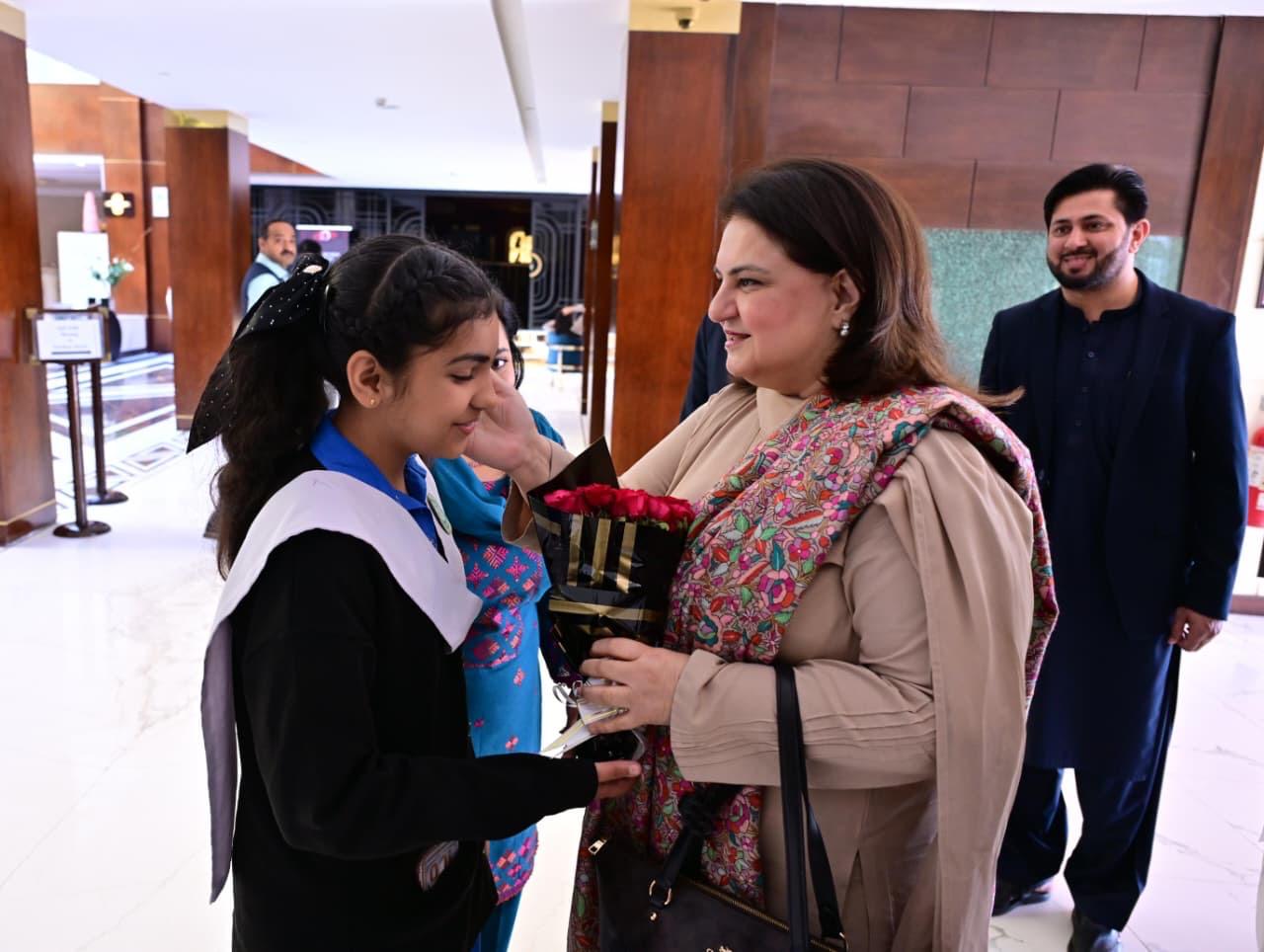
Addressing participants, BISP Chairperson Senator Rubina Khalid said the pilot seeks to use existing social protection mechanisms, particularly Conditional Cash Transfers, to strengthen nutrition outcomes among adolescent girls and their families.
She noted that the project was implemented within established systems, avoiding the creation of parallel structures. The evidence generated through the pilot, she said, could help inform decisions on potential expansion to other districts.
Khalid emphasized that BISP’s mandate goes beyond income support, highlighting its contribution to education, health, and broader wellbeing of beneficiary households.
Collaborative approach
The programme was carried out under BISP’s leadership with support from the German government and the Gates Foundation through GIZ. Technical partners included Nutrition International, CERP and the World Food Programme.
Through SOPRAN, participating schools provided weekly iron and folic acid supplementation, promoted access to fortified wheat flour, and conducted community-level awareness activities to encourage behavior change related to nutrition.
Officials said the integrated approach has strengthened coordination between education and social protection systems, while generating data to guide future nutrition-sensitive policies.
Representatives from the German Embassy, GIZ Pakistan and the Gates Foundation also addressed the event, underscoring the importance of partnership-driven programming to tackle adolescent malnutrition.
BISP said the pilot has laid groundwork for scaling up targeted nutrition interventions, with a focus on sustained, nationally owned impact supported by development partners.