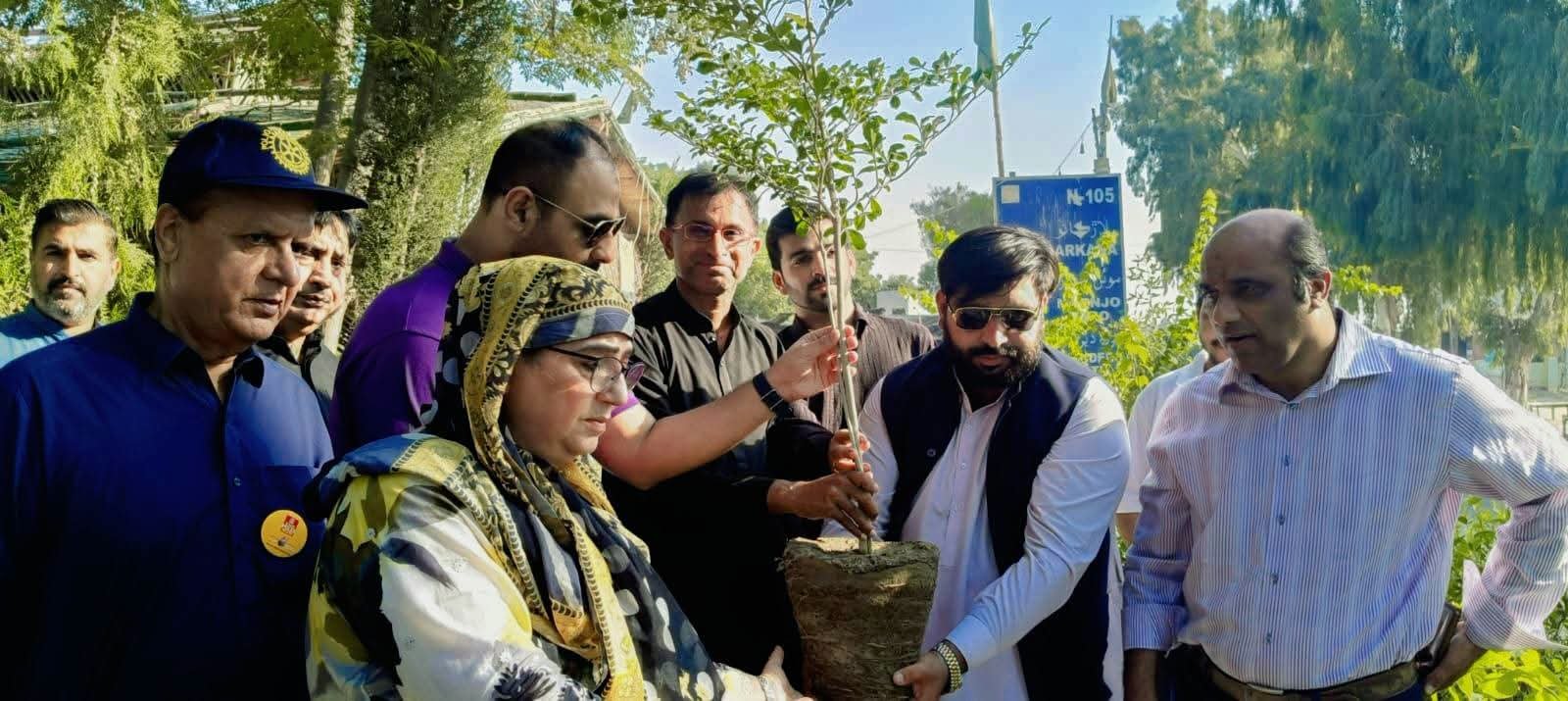
KARACHI: Leading academics, environmental scientists, government representatives and climate experts have highlighted the important role of mangrove ecosystems and blue carbon in strengthening coastal resilience, supporting sustainable cities and responding to climate change.
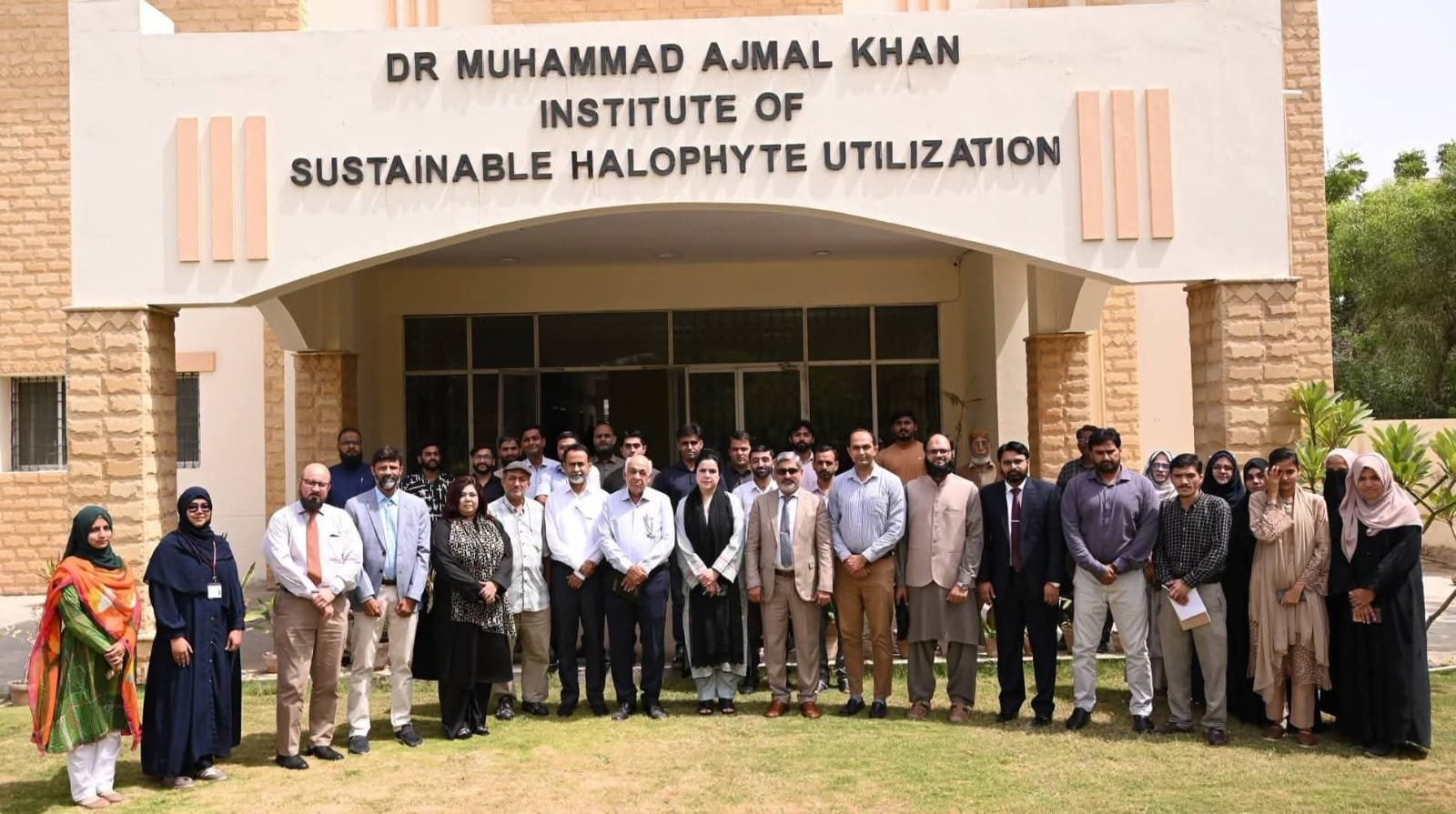
The views were expressed at a seminar titled “Coastal Ecosystems and Blue Carbon Dynamics: Ways for Sustainable Cities and Urban Future”, held at the Dr M. Ajmal Khan Institute of Sustainable Halophyte Utilization (MAK-ISHU), University of Karachi, as part of the university’s Diamond Jubilee celebrations.

The event was jointly organised by MAK-ISHU and the Office of Research, Innovation and Commercialization (ORIC), University of Karachi. It brought together experts from academia, government and environmental organisations to discuss mangrove conservation, blue-carbon dynamics, climate finance, urban resilience and community-based approaches to sustainable coastal management.
Prof Dr Bilquees Gul, Dean, Faculty of Science, stressed the importance of connecting scientific research with environmental and urban planning. She highlighted the role of universities in producing interdisciplinary knowledge that can contribute to practical responses to emerging climate challenges.
Prof Dr Irfan Aziz, Director MAK-ISHU, highlighted the ecological and economic importance of mangroves, particularly their role in storing carbon and supporting coastal stability and environmental sustainability.
Prof Dr Muhammad Naeem Khan, Director ORIC, called for stronger collaboration between academia and the private sector to support large-scale environmental initiatives and explore opportunities for climate financing.
Providing an international perspective, Dr Aldrie A. Amir, Mangrove Specialist from Universiti Kebangsaan Malaysia, discussed the growing vulnerability of coastal cities to climate-related pressures. He highlighted ecosystem restoration and nature-based solutions as important components of long-term coastal resilience.
Representing the Sindh Forest Department, Divisional Forest Officer Shehzad Sadiq Gill highlighted mangrove conservation and restoration efforts in Sindh and discussed the growing importance of blue-carbon programmes. The discussion also covered the Delta Blue Carbon Project and the potential links between ecosystem conservation, carbon markets, climate finance and local socio-economic development.
Indus Delta Mangroves as a Natural Carbon Reservoir
Dr Kanwal Nazim, Mangrove Ecologist and Chief Executive Officer of Services for Environment & Mangrove Protection (SEMP), presented a scientific perspective on carbon stored in the mangroves of the Indus Delta.
She explained that a significant portion of mangrove carbon can be stored below ground in waterlogged sediments, where organic matter can remain stored for long periods.
Her presentation highlighted the relationship between mangrove vegetation, tidal and hydrological processes, sediment conditions and carbon storage. She said this makes the Indus Delta important not only as a mangrove ecosystem but also as a natural carbon reservoir.
Dr Nazim stressed that successful mangrove restoration should go beyond counting the number of trees planted. She said long-term success requires appropriate site selection, protection of natural tidal and hydrological processes, understanding of sediment dynamics and continued ecological monitoring.
Healthy mangrove ecosystems can provide multiple benefits, including carbon storage, coastal protection, biodiversity conservation, fisheries support and climate adaptation.
Yasir Hussain, Director of the Climate Action Center, Karachi, highlighted the climate vulnerability of coastal communities and stressed the importance of involving local communities in conservation and climate-action initiatives.
Participants said long-term protection of coastal ecosystems would require coordinated efforts involving universities, government departments, environmental organisations, local communities and the private sector.
The seminar concluded with a call for stronger science-based conservation, restoration and management of mangroves, along with greater integration of blue-carbon research and nature-based solutions into coastal and urban planning.
Experts emphasised that protecting mangroves is not only an environmental conservation measure but can also contribute to climate resilience, sustainable coastal development and the long-term protection of communities and ecosystems.