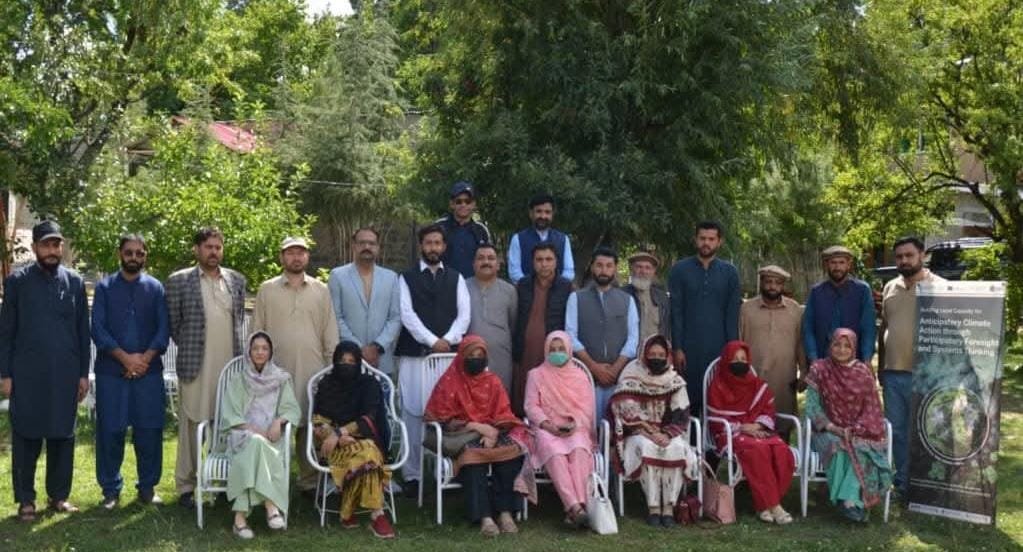
ASTORE, Gilgit-Baltistan, September 15, 2026: The Sustainable Development Policy Institute (SDPI) has conducted two three-day capacity-building sessions in Astore to strengthen local preparedness and support anticipatory action against climate and environmental risks.
The sessions, held from September 9 to 14, focused on “Anticipatory Climate Action through Participatory Foresight and Systems Thinking.” The training was led by SDPI’s Sustainability and Resilience Programme team, including Muhammad Awais Umar, Ali Rehmat and Syeda Safina Ali.

The sessions brought together district-level stakeholders and aimed to improve their ability to use participatory foresight and systems thinking in climate planning. The approaches can help communities and institutions identify emerging risks, consider future challenges and develop more inclusive and evidence-based responses.
The capacity-building programme was organised under the “Promoting Anticipatory Action to Address Climate and Environment Risks for Community Transformation (PROAACT)” initiative.
SDPI is implementing PROAACT in Astore in collaboration with the International Centre for Integrated Mountain Development (ICIMOD) under the EU-UNEP Partnership on Climate Change, Environment, Peace & Stability.
The programme places a strong focus on strengthening local capacity so that climate risks can be identified and addressed before they develop into major disasters. Such anticipatory approaches are particularly important for vulnerable mountain communities facing changing climate and environmental conditions.
SDPI thanked community representatives, government officials and other stakeholders for their active participation throughout the training sessions.
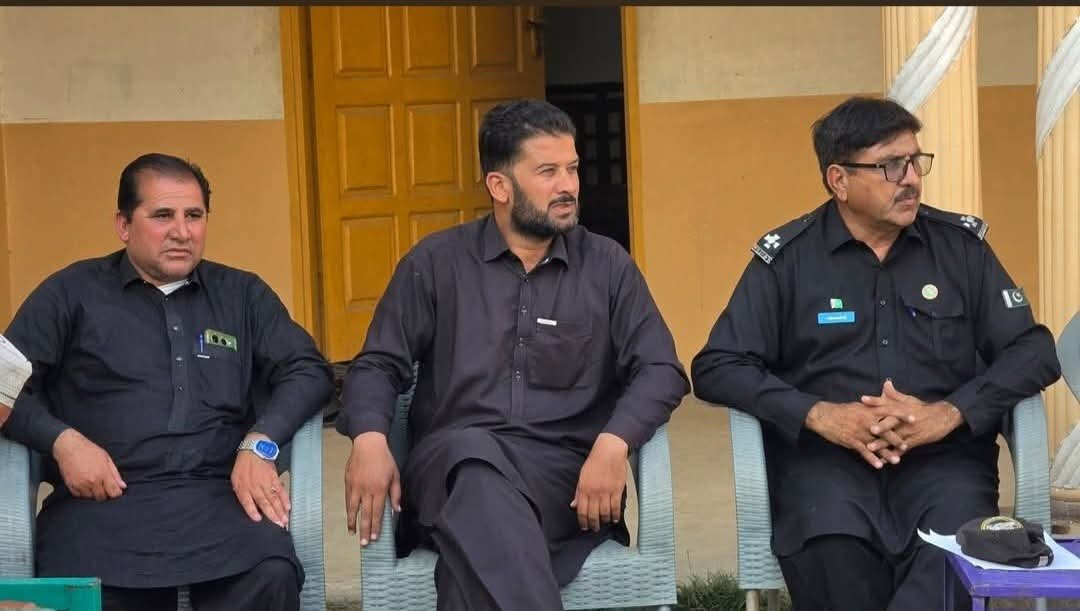
Assistant Commissioner Astore Muhammad Shoaib also joined the session and appreciated efforts to strengthen local disaster preparedness and resilience.
The initiative highlights the growing importance of local knowledge, community participation and forward-looking planning in building climate-resilient communities in Gilgit-Baltistan.