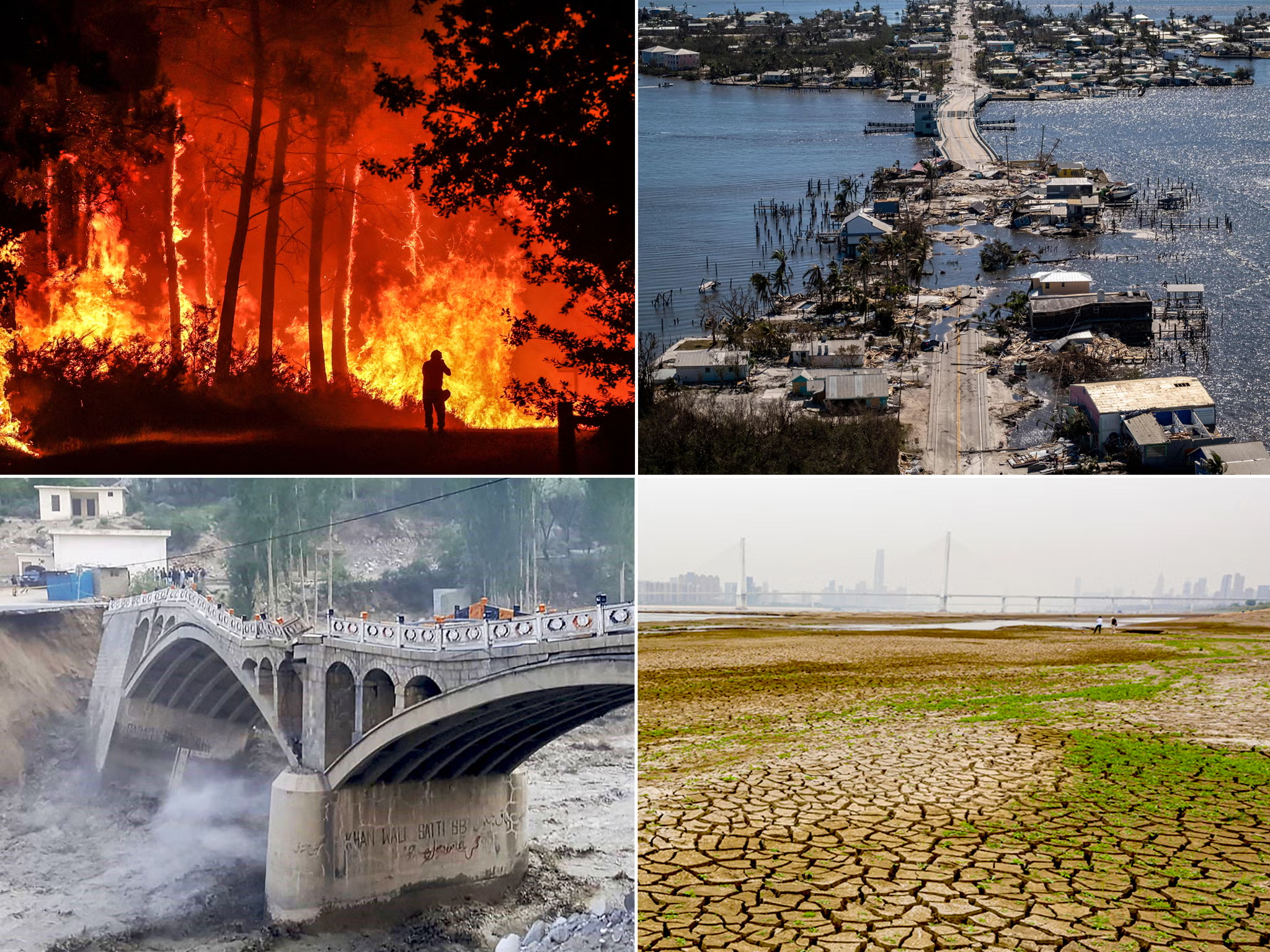
ISLAMABAD: Pakistan will urge the international community to provide climate finance through grants and highly concessional funding rather than additional debt, as the country faces mounting economic pressures from floods, extreme weather and other climate-related disasters.
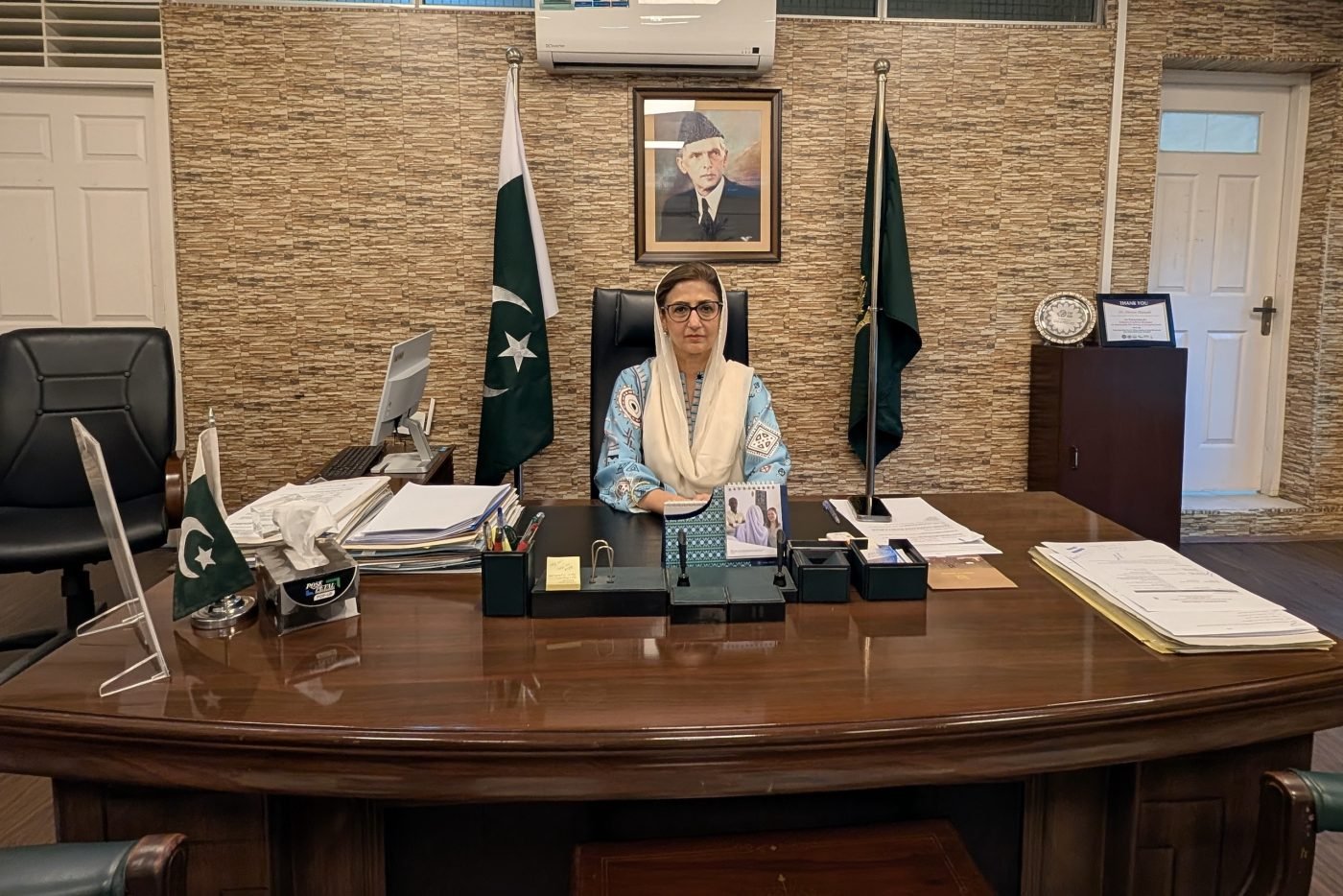
Minister of State for Climate Change and Environmental Coordination Shezra Mansab Kharal has stressed that international climate funding must not worsen Pakistan’s existing debt burden. Speaking ahead of the upcoming United Nations climate conference, COP31, she called for a fairer global financing system that reflects the unequal responsibility of countries for climate change.

In an interview with Dialogue Earth, Kharal said Pakistan needed practical outcomes from international climate commitments, particularly for vulnerable communities still recovering from disasters.
Pakistan Awaits Climate Loss and Damage Funding
Pakistan played a significant role in advocating for the establishment of the Loss and Damage Fund at COP27 in 2022, following catastrophic floods that killed more than 1,700 people and affected at least 33 million others.
However, the country has yet to receive disbursements from the fund, according to Kharal.
Pakistan has submitted two project proposals worth a combined US$39.9 million, seeking support for climate-related recovery and resilience. The minister said the government hoped that at least one proposal would receive approval by December 2026.
She emphasised that international climate pledges, actual contributions to funds, project approvals and money reaching affected countries are separate stages. Developing countries, she argued, need financial commitments to translate into tangible support on the ground.
Complex Procedures Delay Climate Finance
Kharal identified complicated application procedures, lengthy accreditation requirements, technical documentation and high project preparation costs as major obstacles to accessing international climate funding.
These administrative and financial barriers can delay assistance even when countries urgently need resources to recover from disasters or prepare for future climate risks.
She called for substantial reforms to the international climate finance system to make funding more accessible, efficient and responsive to the needs of vulnerable countries.
The minister also rejected the perception that delays in funding are necessarily the result of poor governance in recipient countries, while acknowledging the importance of transparency and accountability in managing climate-related resources.
Pakistan Calls for Climate Justice
Ahead of COP31, Pakistan plans to highlight the principle of climate justice, arguing that countries with lower historical contributions to greenhouse gas emissions should not be expected to carry an unfair share of the financial burden.
Kharal noted that Pakistan contributes less than one per cent of global greenhouse gas emissions but remains highly vulnerable to climate-related disasters.
The country faces a wide range of threats, including river flooding, glacier lake outburst floods, cloudbursts, droughts, urban flooding and extreme heat. These risks affect communities across different regions and place additional pressure on public finances.
The minister also warned that climate disasters do not respect national borders, making regional cooperation, technology sharing and stronger disaster preparedness increasingly important.
Pakistan Estimates US$565.7 Billion Climate Investment Need
Pakistan’s climate investment requirements remain substantial. According to its updated Nationally Determined Contributions, known as NDC 3.0, the country estimates that it will require approximately US$565.7 billion by 2035 to address climate vulnerability and meet its climate-related commitments.
Pakistan has also outlined a target to reduce greenhouse gas emissions by 50 per cent by 2035, with 17 per cent of the reduction expected to be achieved through domestic efforts and a further 33 per cent dependent on international support.
Kharal said climate finance should prioritise grants for essential public services and resilience measures that do not generate direct financial returns.
These include flood protection infrastructure, glacier monitoring, early warning systems and measures to safeguard vulnerable communities.
By contrast, commercially viable projects such as renewable energy installations and industrial energy-efficiency improvements may be better suited to concessional loans or private investment.
Debt Relief Mechanisms Could Support Climate Recovery
While grants remain Pakistan’s preferred financing option, Kharal indicated that the government would remain open to highly concessional loans where appropriate.
She also highlighted the potential for innovative financial arrangements, including temporary pauses in debt repayments following climate disasters and debt-swap mechanisms that could help countries redirect resources towards resilience and recovery.
Such approaches could provide governments with greater fiscal flexibility after major disasters, allowing them to prioritise reconstruction and public services rather than facing additional financial pressure.
The minister stressed that climate-related funding arrangements must recognise the different financial capacities and responsibilities of developed and developing countries.
Smog, Agriculture and Water Security Remain Priorities
Within Pakistan, climate-related challenges extend beyond catastrophic floods. Air pollution, water shortages, changing rainfall patterns and rising temperatures continue to threaten public health, agricultural productivity and economic stability.
Kharal said the government was pursuing measures to improve air quality through cleaner transport, stronger industrial emissions standards, air-quality monitoring and better management of agricultural residue.
The government is also working to strengthen glacier monitoring, hazard mapping and early warning systems in Gilgit-Baltistan to reduce the risks associated with glacial lake outburst floods.
In agriculture, priorities include climate-resilient crop varieties, efficient irrigation, improved water management and farming practices adapted to heat and drought.
These measures are intended to strengthen food security and help farmers cope with increasingly unpredictable weather conditions.
Stronger Coordination Needed for Climate Resilience
Kharal said Pakistan needed better coordination among federal ministries, provincial governments and other institutions to integrate climate resilience into national development planning.
She highlighted ongoing efforts to incorporate climate considerations into public-sector development projects and support a transition towards greener energy systems.
As COP31 approaches, Pakistan’s central message is that international climate commitments must deliver accessible, predictable and equitable financing.
For a country already facing economic constraints and growing climate risks, the challenge is not simply securing additional funding. It is ensuring that climate assistance supports recovery, protects vulnerable communities and strengthens resilience without creating an even heavier debt burden.