RAWALPINDI, Nov 26 (ABC): Sudden vision loss without pain can signal a blocked retinal vein, and patients should see an eye specialist immediately, an Al-Shifa Trust Eye Hospital retina consultant has warned.
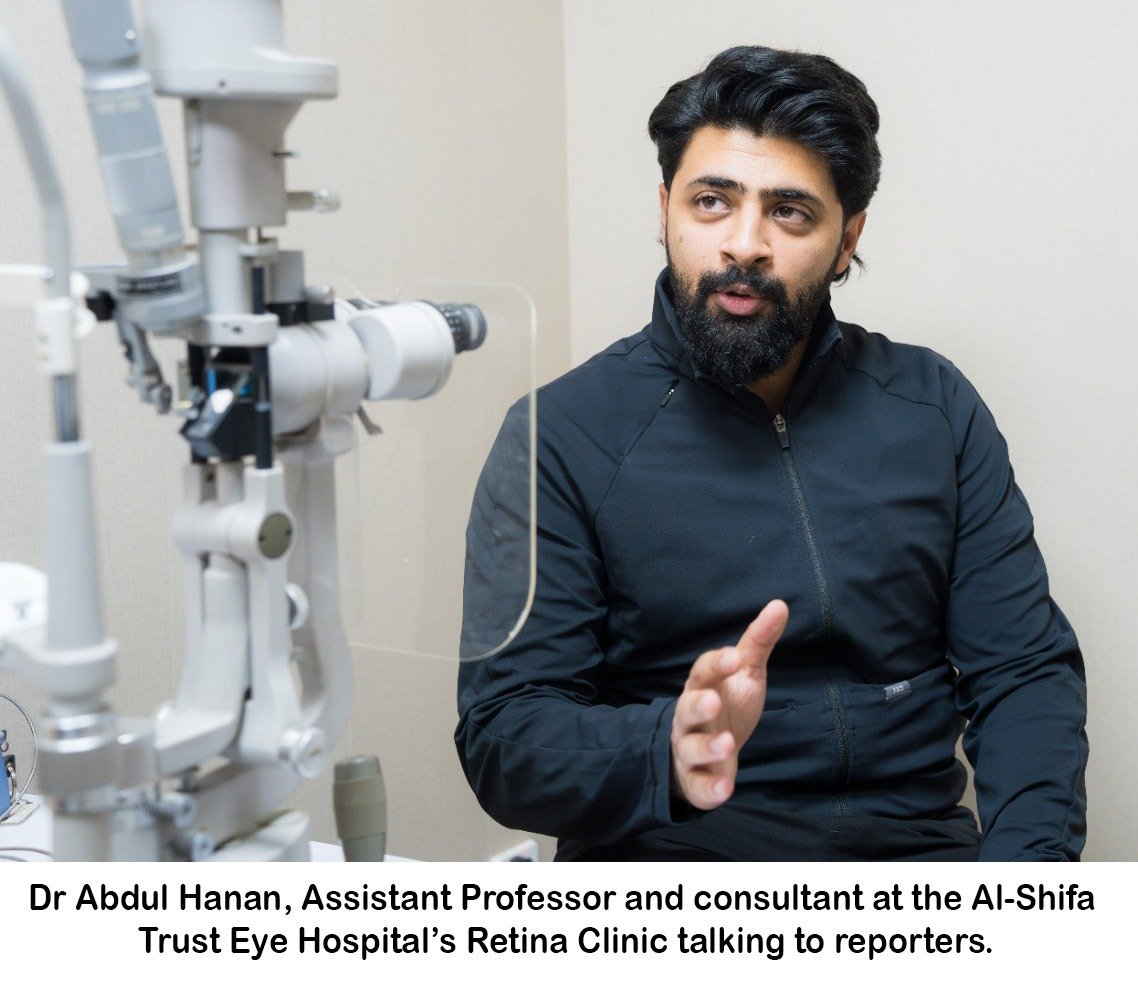
Dr Abdul Hanan, assistant professor and consultant at the hospital’s Retina Clinic, told reporters that retinal vein occlusion occurs when a vein carrying blood away from the retina becomes blocked. The retina is the light-sensitive layer at the back of the eye. A blockage disrupts circulation, causes fluid to accumulate and can damage the retina, leading to sudden and prolonged vision loss.

He said uncontrolled diabetes and high blood pressure are among the major risk factors. Increasing age, cigarette smoking and glaucoma, a disease that damages the optic nerve, also raise the likelihood of the condition.
Dr Hanan said Al-Shifa Trust Eye Hospital, Rawalpindi, has Pakistan’s largest retina department in terms of the number of retina specialists, outpatient department patients and surgeries performed.
He warned that Pakistan urgently needs more retina specialists as diabetic retinopathy cases are increasing with the rising prevalence of diabetes. Alarmingly, children are also developing the condition at an increasing rate, highlighting the need for greater specialist capacity and early diagnosis.
Retinal vein occlusion occurs in two forms. Central retinal vein occlusion affects the main retinal vein, while branch retinal vein occlusion affects a smaller branch. Unlike many eye conditions, it does not necessarily cause pain, which can lead patients to delay treatment, he said.
Anyone experiencing sudden changes or loss of vision should undergo a detailed retinal examination to assess the extent of damage. Specialists then determine the appropriate treatment and chances of recovery, which vary from patient to patient.
Dr Hanan identified anti-VEGF injections and laser therapy as the main treatments. The injections reduce abnormal blood vessel growth and fluid leakage in the retina, while laser treatment helps manage certain complications.
Both treatments are available free of cost at the hospital, and its retina department provides them daily, he said. Al-Shifa Trust’s performance figures show 119,694 outpatient visits, 16,467 surgeries and 37,513 laser and injection treatments between October 2025 and October 2026.
Delayed consultation can allow retinal damage to progress and may permanently reduce eyesight, affecting patients’ ability to work and earn. For low-income families, free treatment also removes the financial burden of repeated injections.
Dr Hanan stressed that keeping blood sugar and blood pressure under control can reduce the risk of retinal complications, particularly among older people.