ISLAMABAD: Pakistan has launched its first National Anticipatory Action Strategy, marking a major step toward improving disaster preparedness and reducing the impact of climate-related emergencies through early warning systems and preventive action.
The strategy, developed with the support of the United Nations World Food Programme (WFP), aims to move the country’s disaster management approach beyond emergency response by enabling authorities to act before disasters strike. Officials say the initiative will help protect vulnerable communities from floods, droughts and other extreme weather events that have become increasingly frequent due to climate change.

Anticipatory action uses weather forecasts and risk assessments to trigger early funding and preparedness measures before a disaster occurs. This allows governments and humanitarian organizations to safeguard lives, protect livelihoods and reduce damage to homes, agriculture and critical infrastructure.
The strategy builds on a joint programme implemented by the WFP and the Food and Agriculture Organization of the United Nations (FAO) in collaboration with the Government of Pakistan. The initiative has received financial support from the European Union and has focused on strengthening early warning systems, improving emergency planning and integrating anticipatory action into disaster management at both national and local levels.
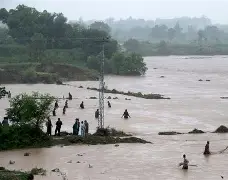
Pakistan has witnessed a sharp rise in climate-related disasters over the past decade. Catastrophic floods in 2010, 2011 and 2022 caused widespread destruction and economic losses estimated at more than $60 billion. More recently, the 2025 monsoon floods affected nearly 6.9 million people, while weather experts have warned that 2026 could bring increased risks of flash floods and drought due to changing climate patterns.
Officials say the benefits of anticipatory action were demonstrated during the 2025 floods in Sindh, where the WFP and FAO provided early cash assistance to around 15,000 vulnerable people before floodwaters reached their peak. The advance support enabled families to purchase food, relocate to safer areas and protect livestock and other valuable assets, reducing the humanitarian impact of the disaster.
The programme has also strengthened disaster preparedness by improving risk assessments, contingency planning and simulation exercises involving federal, provincial and district authorities. According to the WFP, investments in anticipatory action can significantly reduce disaster-related losses, with every dollar spent on preparedness potentially saving up to seven dollars in future response and recovery costs.
Looking ahead, the government plans to expand early warning systems, improve coordination among provinces and establish pre-arranged financing mechanisms that can release emergency funds before disasters escalate. Authorities say these measures will help ensure faster and more effective responses to climate-related threats.
Backed by international partners, including the European Union and Germany’s development cooperation agencies, the National Anticipatory Action Strategy is expected to strengthen Pakistan’s resilience against climate change and improve protection for communities most at risk from natural disasters.