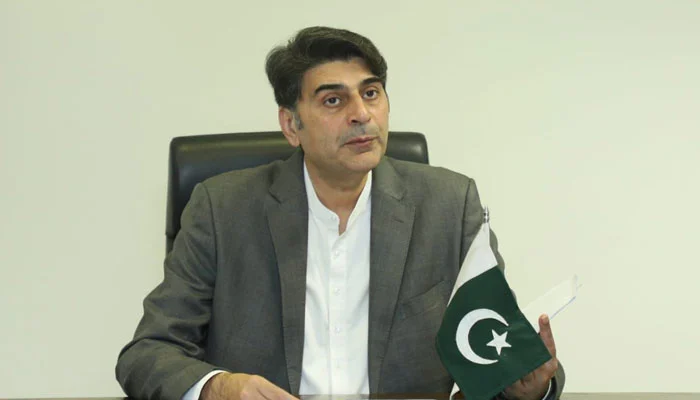
ISLAMABAD: Minister of State for National Health Services, Regulations and Coordination Dr Mukhtar Bharath has stressed the need for a comprehensive and permanent health emergency preparedness and response system to deal with the growing health impacts of climate change in Pakistan.
Addressing the National Health Emergency Preparedness and Response Conference in Islamabad, Dr Bharath said climate change had become a permanent reality for Pakistan, with the country increasingly facing extreme monsoon rains, cloudbursts, floods and other climate-related disasters.

He said the changing climate was directly affecting communities as well as the country’s health system, adding that Pakistan must recognise that a new pattern of climate-related extreme events had become increasingly evident across different regions.
“Responding only after an emergency occurs is no longer sufficient,” Dr Bharath said, stressing the need for a comprehensive system covering preparedness, response and recovery.
The minister noted that thousands of people are displaced or forced to migrate every year due to climate-related disasters. Such displacement, he added, significantly increases the risk of malaria, dengue, cholera, diarrhoea and other infectious and communicable diseases.
He said vulnerable groups, including pregnant women, children and the elderly, face particular health risks during climate emergencies and therefore require targeted protection and healthcare services.
Dr Bharath called upon the Ministry of Health and relevant partners to jointly develop clear and practical Standard Operating Procedures (SOPs) for health emergency preparedness and response.
He identified the development of a trained and effective health workforce as one of the most important components of the proposed system. According to him, district-level health personnel should receive appropriate training in climate-related disasters, disease outbreaks, emergency medical care, the healthcare needs of affected populations and the provision of medical services in temporary relief camps.
The minister stressed that the district health system must serve as the foundation of Pakistan’s climate-related health emergency preparedness framework.
He said the federal government and Ministry of Health have an important role in policymaking, national coordination, setting standards and bringing all stakeholders onto a common platform. At the same time, he emphasised that provincial governments and district administrations must play an effective role in translating national preparedness plans into practical action.
Dr Bharath said several priority measures should be taken forward following the conference, with federal and provincial governments, district administrations, international partners, relief organisations and other relevant stakeholders working under a unified framework.
He stressed that coordinated planning and timely action were essential to protect Pakistan’s population from the rapidly increasing health risks associated with climate change.
The minister called for sustained investment in preparedness, trained healthcare personnel and stronger coordination mechanisms so that Pakistan’s health system can respond effectively to future climate-related emergencies.