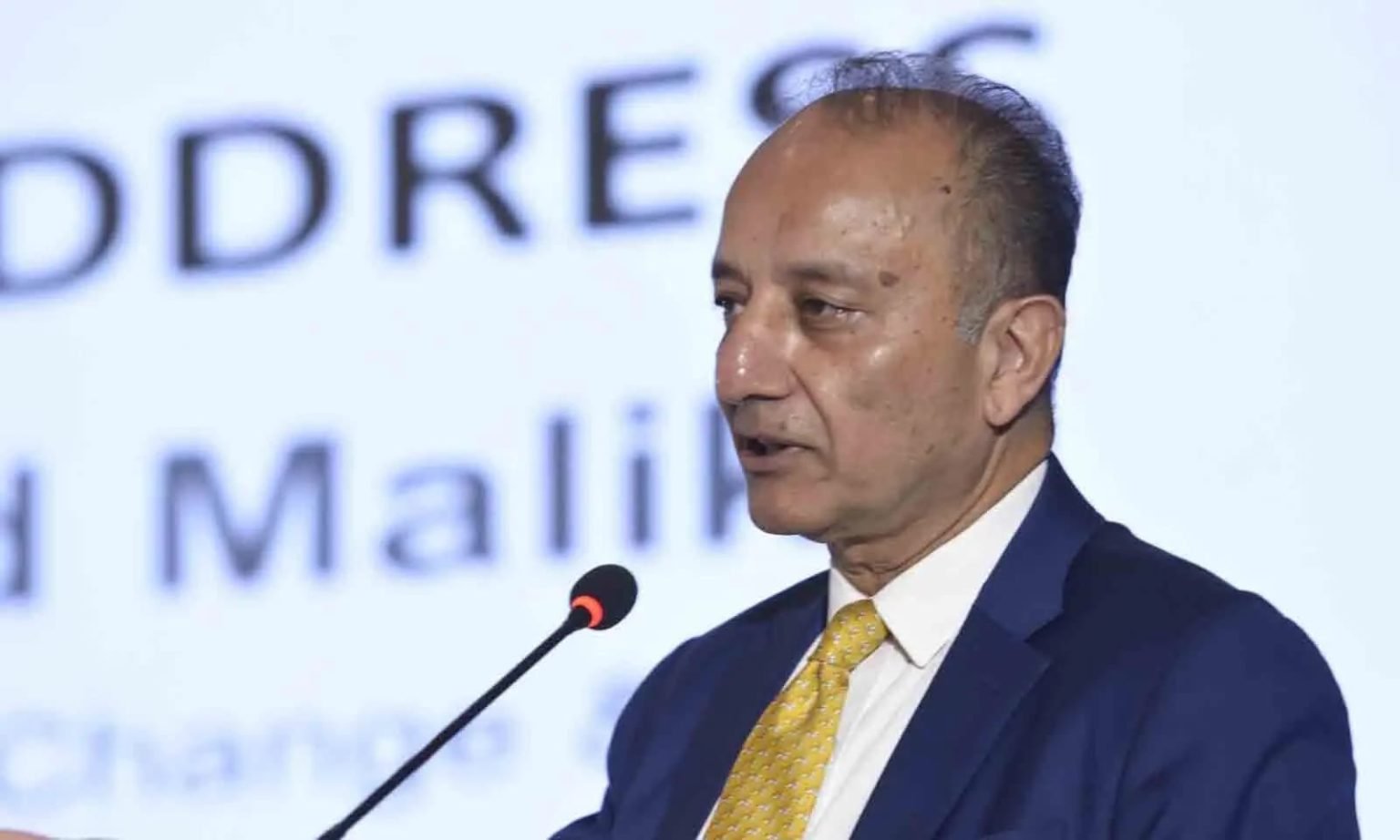
ISLAMABAD: Federal Minister for Climate Change and Environmental Coordination Dr. Musadik Malik on Wednesday unveiled plans for a proposed “Green University” aimed at promoting youth-led climate innovation, applied research and international academic collaboration to help Pakistan tackle environmental challenges through science and technology.
Speaking at the opening session of the Breathe Pakistan International Climate Change Conference in Islamabad, the minister said the proposed institution would focus on practical climate research with commercial applications, developed in partnership with Italian universities and research experts.

Dr. Malik said discussions with Italian officials over recent months had laid the foundation for the initiative, under which Pakistani and Italian students would jointly undertake research projects supervised by internationally recognized academics, including Nobel laureates.
“We are now working to develop the framework for this collaboration,” he said.
The minister emphasized that Pakistan’s large youth population represents one of the country’s greatest strengths in addressing climate change. He said young people possess the creativity, scientific knowledge and determination needed to develop innovative solutions for environmental challenges.
“Pakistan’s youth have the ideas, the passion and the belief that they can make a difference. Our responsibility is to provide them with the opportunities and institutional support to turn those ideas into reality,” he said.
Highlighting the role of higher education, Dr. Malik praised graduates from leading institutions, including Ghulam Ishaq Khan Institute (GIK), Lahore University of Management Sciences (LUMS) and other universities, saying many talented students have innovative ideas but often lack the resources and platforms needed to implement them.
To encourage innovation, the minister announced plans for quarterly national competitions where students, researchers and young entrepreneurs working on climate-related technologies, renewable energy, water management and sustainability solutions would compete for financial support and mentorship.
He said the government also intends to launch a “Greenfield Pakistan Pitch” initiative that will connect promising climate innovations with investors and commercial partners, helping transform research into market-ready solutions.
According to Dr. Malik, Pakistan’s environmental challenges should be viewed as opportunities for innovation with global relevance.
“If a young Pakistani develops a solution to Pakistan’s water challenges, that innovation could also benefit countries facing similar problems, including many across Africa,” he said.
The minister reiterated that Pakistan contributes less than one percent of global greenhouse gas emissions yet remains among the countries most vulnerable to climate change. He said recurring floods, worsening air pollution and environmental degradation continue to impose severe social and economic costs despite the country’s minimal contribution to global emissions.
Referring to the unequal burden of climate change, Dr. Malik said communities in regions such as Gilgit-Baltistan continue to experience the consequences of global warming despite contributing almost nothing to the problem.
“Those who contribute the least to climate change are often the ones who suffer the most,” he remarked, calling for greater international commitment to climate justice, equitable responsibility and stronger global cooperation.
The minister concluded by saying that addressing climate change requires not only effective environmental policies but also imagination, innovation and a shared commitment to safeguarding the future for coming generations.
Also Read: Climate Governance, Sustainable Development Key to Tackling Climate Change, Says Musadik Malik