Islamabad, 16 September 2026: Pakistan today joined the international community in observing World Ozone Day 2026, reaffirming its commitment to protecting the ozone layer and advancing environmentally sustainable practices under the Montreal Protocol.
World Ozone Day is observed annually on 16 September to raise awareness about the importance of the ozone layer and the collective action required to protect it. The 2026 observance provides an opportunity to highlight Pakistan’s efforts to phase out ozone-depleting substances, promote climate-friendly alternatives, and strengthen environmental awareness among citizens and stakeholders.

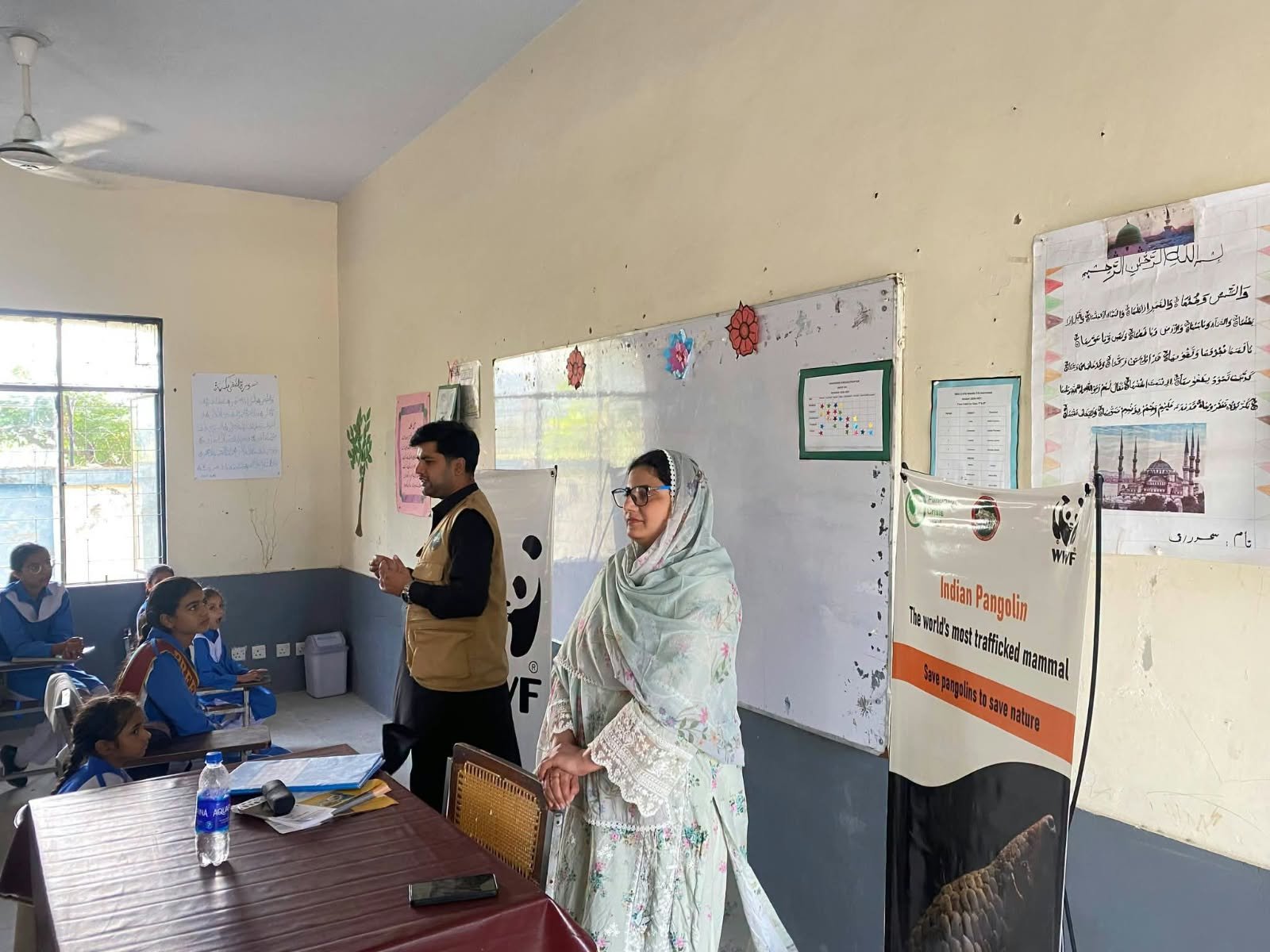
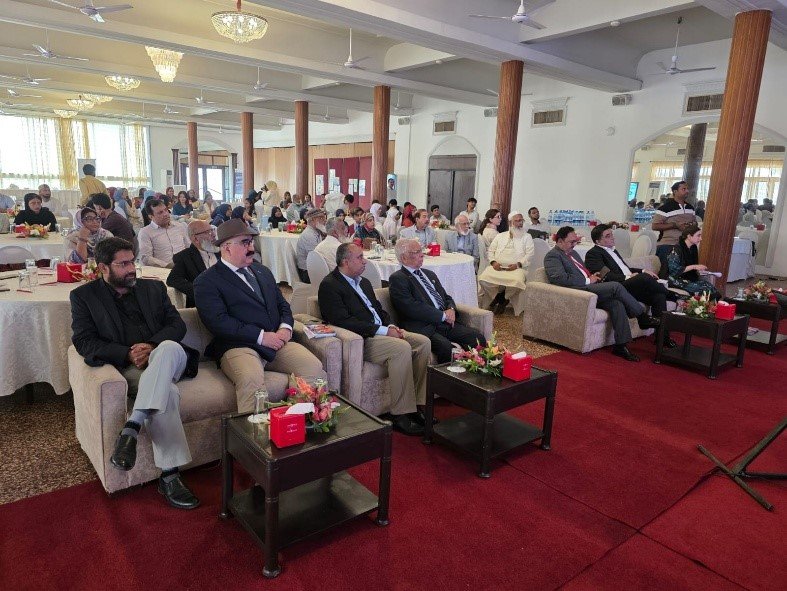
The theme for this year’s observance, “Global Action for a Cooler Planet,” also marks ten years of sustainable cooling under the Kigali Amendment to the Montreal Protocol. The theme underscores the importance of continued international cooperation, scientific innovation, and effective implementation of environmental commitments. To mark the occasion, the National Ozone Unit (NOU), Ministry of Climate Change and Environmental Coordination, organized a session in Karachi featuring awareness activities, including speech and poster competitions, expert presentations, and discussions on ozone protection and environmentally safe technologies.
Speaking on the occasion, Syed Abrar Hussain, Director General (Pak-EPA)/National Project Director (NPD), National Ozone Unit as a Chief Guest of the celebrations highlighted the importance of collective action to protect the ozone layer and promote sustainable cooling solutions under the Kigali Amendment to the Montreal Protocol.
Emphasizing Pakistan’s growing cooling needs in the face of rising temperatures, extreme weather events, and increasing energy demand, the Chief Guest stressed that the transition towards climate-friendly refrigeration and air-conditioning technologies must be guided by science, innovation, energy efficiency, and sustainability.
He also underscored the vital role of youth in advancing environmental protection and recognized the continued support of international partners, including UNEP, UNDP, UNIDO, and the Multilateral Fund, in strengthening Pakistan’s national efforts. He called upon government institutions, industry, academia, technical experts, development partners, and civil society to work together to accelerate sustainable and energy-efficient cooling and reaffirmed Pakistan’s commitment to the Kigali Amendment and the continued protection of the ozone layer. On the occasion, Syed Azmat Hussain Shah, Interim National Ozone Officer, emphasized the country’s continued commitment to the protection of the ozone layer and the implementation of the Montreal Protocol and its Kigali Amendment.
Addressing the commemoration under the theme “Global Action for a Cooler Planet,” he highlighted the significance of ten years of sustainable cooling efforts under the Kigali Amendment and underscored the importance of strengthening national capacity, supporting industry in the transition towards climate-friendly technologies, promoting energy efficiency, and engaging youth in environmental action.
Mr. Fawad Hassan Mir, National Project Coordinator, United Nations Industrial Development Organization (UNIDO), Lead Implementing Agency for Pakistan’s Hydrochlorofluorocarbon (HCFC) Phase-out Management Plan (HPMP), reaffirmed UNIDO’s commitment to supporting Pakistan’s efforts to protect the ozone layer and advance the transition towards ozone-friendly technologies.
UNIDO recognized Pakistan’s significant progress in fulfilling its commitments under the Montreal Protocol, stating that Pakistan’s achievements demonstrate the value of strong national ownership and international cooperation in translating environmental commitments into concrete action. UNIDO further reaffirmed its support for Pakistan’s continued transition towards ozone-friendly technologies and more sustainable industrial practices.
A presentation on ozone science was delivered by Dr. Waqar Ahmed, Assistant Professor, University of Karachi, who highlighted the significance of ozone depletion, the science behind the depletion process, and its potential impacts on human health.
On World Ozone Day 2026, Ms. Bushra Gul, Programme Analyst, UNDP, reaffirmed UNDP’s support to the Government of Pakistan in protecting the ozone layer and advancing sustainable cooling solutions under the Montreal Protocol and its Kigali Amendment.
She highlighted UNDP’s assistance in implementing the institutional strengthening component, covering capacity-building, national coordination, data and reporting systems, regulatory frameworks, and compliance efforts for the phase-out of ozone-depleting substances and management of HCFCs.
She stressed that, as Pakistan moves towards a more sustainable cooling sector, it is important to focus on energy efficiency, low-carbon technologies, climate resilience, strong institutions, and close collaboration among government, industry, development partners, and civil society. Concluding the World Ozone Day 2026 celebrations, Dr. Zaigham Abbas, Spokesperson, Pakistan Environmental Protection Agency, Ministry of Climate Change and Environmental Coordination, thanked partners from academia, industry, importers, government institutions, and development organizations for their continued cooperation and commitment to ozone protection and sustainable cooling in Pakistan.
He emphasized that knowledge, innovation, and active participation of stakeholders are essential to ensuring a smooth transition towards environmentally friendly and energy-efficient cooling technologies. He called for continued collective efforts to translate Pakistan’s commitments under the Montreal Protocol and Kigali Amendment into meaningful and lasting results.
He also specially appreciated the contribution of Dr. Waqar Ahmed, Assistant Professor, University of Karachi, for extending support in arranging the speech and poster competitions on the eve of World Ozone Day 2026. He appreciated the efforts of speech and poster competition contesters and applauded their contribution and understanding of the climate change issues.