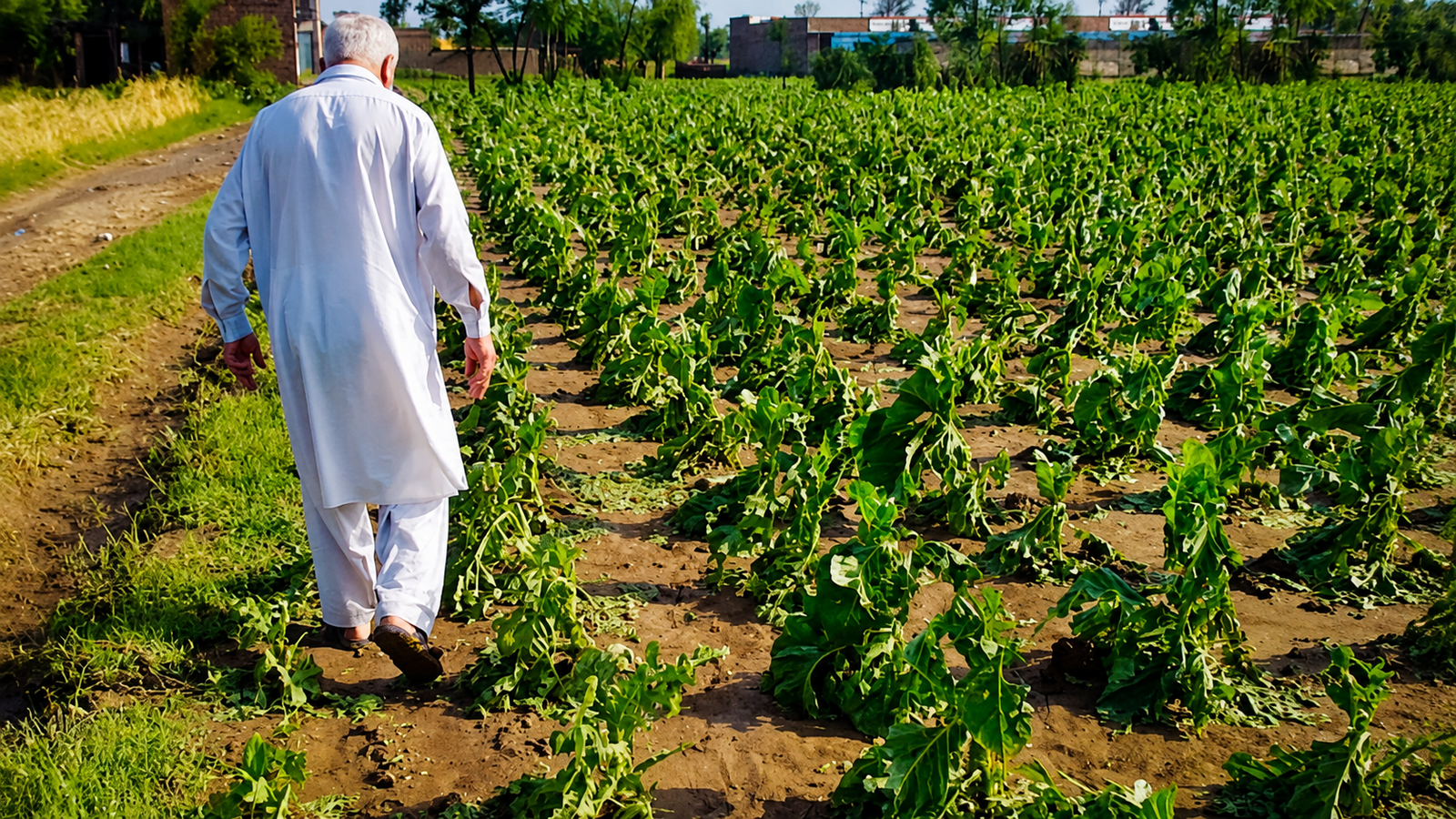
PESHAWAR: Tobacco growers across major producing districts of Khyber Pakhtunkhwa are facing mounting financial pressure as delayed procurement, alleged below-price purchases and uncertainty over the Minimum Indicative Price deepen instability in the market.
Farmers say large quantities of harvested tobacco remain unsold despite procurement agreements with companies and registered purchasers, leaving growers exposed to rising financial liabilities and mounting production costs.

The situation has also placed the Pakistan Tobacco Board (PTB) under scrutiny, with growers questioning whether existing procurement rules are being enforced effectively enough to protect farmers and ensure buyers honour their commitments.
According to growers and industry stakeholders, some local purchasers and dealers are offering around Rs400 per kilogram, significantly below the price level farmers say they were expecting under the Minimum Indicative Price framework.
Growers claim the widening price gap is pushing financially vulnerable farmers towards distress sales as they struggle to recover cultivation costs and meet immediate household and farming expenses.
Delayed Tobacco Procurement Hits Growers
Farmers say several local tobacco companies and purchasers that had entered into procurement arrangements have yet to begin buying the crop at the expected scale.
The resulting slowdown has left stocks accumulating in tobacco-growing areas and raised concerns over whether the formal procurement system will be able to absorb the crop produced during the season.
Growers say the uncertainty is particularly damaging because tobacco cultivation requires considerable upfront investment, leaving farmers dependent on timely procurement once the crop is harvested.
Farmers Raise Concerns Over Tobacco Prices
A major concern is the lack of clarity among growers over the Minimum Indicative Price for the current tobacco crop and how effectively the pricing framework is being implemented in the market.
Farmers say some buyers are offering prices substantially below the level they had anticipated, weakening their bargaining position at a time when many need immediate cash to settle debts and prepare for the next agricultural cycle.
Industry stakeholders argue that a clear and consistently enforced pricing framework is essential to prevent distress selling and ensure greater transparency between growers, companies and dealers.
Informal Tobacco Trading Fears Grow
The market has faced further disruption following regulatory action against some companies and dealers.
Growers fear that restrictions on formal purchasing channels, without sufficient alternative procurement arrangements, could drive more tobacco into informal or back-channel trading.
Such transactions, farmers say, leave them with limited negotiating power and greater exposure to middlemen willing to purchase crops at heavily discounted prices.
The situation could also affect legitimate companies operating within the regulated tobacco sector, as inconsistent enforcement and informal trading can distort competition and disadvantage businesses complying with procurement requirements.
PTB Faces Calls for Intervention
Farmers and industry representatives are calling on the Pakistan Tobacco Board and other relevant authorities to intervene and restore confidence in the market.
Their demands include greater clarity over the applicable Minimum Indicative Price, enforcement of procurement commitments by registered buyers, a workable mechanism to handle surplus tobacco and action against purchases allegedly taking place below prescribed rates.
At the heart of the dispute is a broader question over whether Pakistan’s tobacco regulatory framework can ensure that procurement commitments made to growers are implemented in practice.
For farmers, an official policy alone is no longer enough. They want a functioning procurement system that provides predictable access to buyers, transparent pricing and protection against distress sales.
With harvested tobacco continuing to accumulate and financial pressure building across Khyber Pakhtunkhwa’s tobacco-growing belt, growers say timely regulatory intervention will be critical to preventing further losses and restoring stability to the market.