ISLAMABAD, Apr 19 (ABC): The first phase of the $100 million Karachi Water and Sewerage Services Improvement Project is approaching completion, marking a key step in efforts to modernize the city’s aging water supply and sewerage infrastructure.
What is the project?
According to documents available with Wealth Pakistan The Karachi Water and Sewerage Services Improvement Project (KWSSIP) is a long-term infrastructure programme aimed at improving water delivery and wastewater management across Karachi. The broader initiative is valued at $1.6 billion and is designed to be implemented in four overlapping phases over 12 years.

Funding for the Water and Sewerage programme is shared between the World Bank and the Asian Infrastructure Investment Bank, each contributing 40%, while the Government of Sindh provides the remaining 20%.
Phase I, approved in 2019 and launched in early 2020, is scheduled for completion by June 30, 2026.
What work has been completed so far?
According to official documents, most contracts under Phase I Water and Sewerage are either completed or near completion.
Out of 26 construction contracts, 17 have been completed and five are still in progress. Four have been shifted to the next phase. Consultancy work shows similar progress, with five assignments completed and four ongoing.
Procurement of equipment and materials has also advanced, with most contracts finalized or underway.
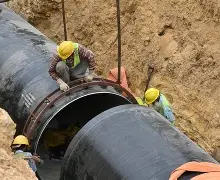
A major portion of the work Water and Sewerage has focused on repairing and replacing old water supply and sewerage pipelines across several districts, including Karachi Central, Korangi, Malir, East, West, and Kemari. These upgrades are intended to reduce leakages, improve water flow, and address long-standing service gaps.
Why does it matter?
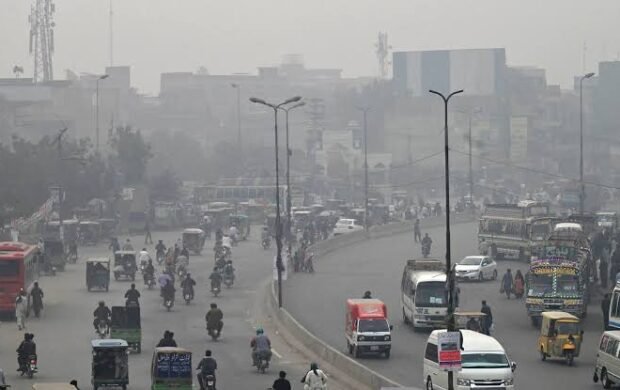
Karachi, Pakistan’s largest city, has faced persistent challenges in water distribution and sanitation due to aging infrastructure, population growth, and system inefficiencies.
Improving pipelines and upgrading systems Water and Sewerage can help reduce water losses, enhance supply reliability, and improve sanitation services. These changes are expected to benefit both households and businesses that rely on consistent water access.
The project also includes the installation of flow meters and modern monitoring systems, such as SCADA (Supervisory Control and Data Acquisition), which allow utilities to track water distribution more accurately and respond to issues in real time.
What has been delayed or moved?
Some planned components have been deferred to Phase II Water and Sewerage . These include enhancements to geographic information systems (GIS) and the rollout of an asset management programme, both of which are intended to support long-term planning and maintenance.
Several contracts and consultancies have also been formally transferred to the next phase for completion.
What happens next?
Phase I Water and Sewerage is expected to conclude by mid-2026, with remaining work continuing under Phase II. The broader programme will proceed in stages, with overlapping timelines to maintain momentum and address remaining infrastructure gaps.
As the project advances, further upgrades and system improvements are expected to build on the groundwork laid in the first phase.