PESHAWAR: The Khyber Pakhtunkhwa Forest Department says it is protecting the province’s valuable forests through internationally recognized scientific management practices, sustainable harvesting, strict action against illegal logging, and greater community participation.
The department shared these details during a briefing for journalists in Peshawar, where officials explained ongoing efforts to conserve forests for future generations while improving biodiversity, climate resilience and watershed protection.

Chief Conservator of Forests, Northern Forest Region-II, Asghar Khan, said forest management involves much more than planting trees or harvesting timber. It includes protecting biodiversity, encouraging natural forest regeneration, safeguarding water resources and ensuring the sustainable use of forest resources.
The briefing was attended by Additional Secretary for Climate Change, Forestry, Environment and Wildlife Habib ul Hassan Gillani, Conservator of Forests Hayat Ali, Conservator of Forests Salim Khan Marwat, and Project Manager Media Latif Ur Rehman.
Officials said Northern Forest Region-II covers around 604,000 hectares of forest, representing nearly 35 percent of the region’s total land area.
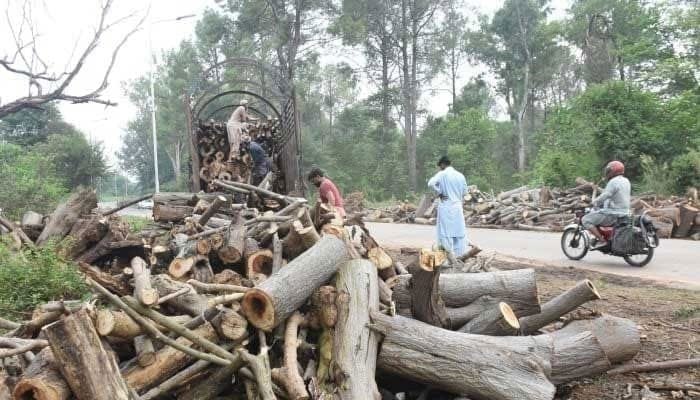
Asghar Khan said only dead, diseased, dry, over-mature, malformed and wind-fallen trees are selected for harvesting under legally approved working plans. He explained that removing such trees helps improve forest health, supports natural regeneration and reduces the risk of wildfires, insect attacks and plant diseases.
Under the department’s 10-year scientific forest management plan, around 33.036 million cubic feet of damaged and over-mature trees will be harvested. During the current year, approximately 2.387 million cubic feet of timber will be removed to create space for healthy trees to grow.
The department also highlighted the achievements of the Billion Tree Afforestation Project and the Ten Billion Tree Tsunami Programme, saying hundreds of millions of saplings have been planted, thousands of hectares have been naturally regenerated, and forest cover has expanded significantly across the province.
Officials presented before-and-after images showing barren hills transformed into green landscapes, calling it evidence of the province’s successful environmental restoration efforts.
The briefing also revealed that the Northern Forest Region generated Rs2.62 billion in revenue over the past eight years. Around 75 percent of this amount, nearly Rs1.98 billion, has been reinvested in forest development projects, including infrastructure, enforcement, mobility, livelihood support, ecotourism and forest boundary demarcation.
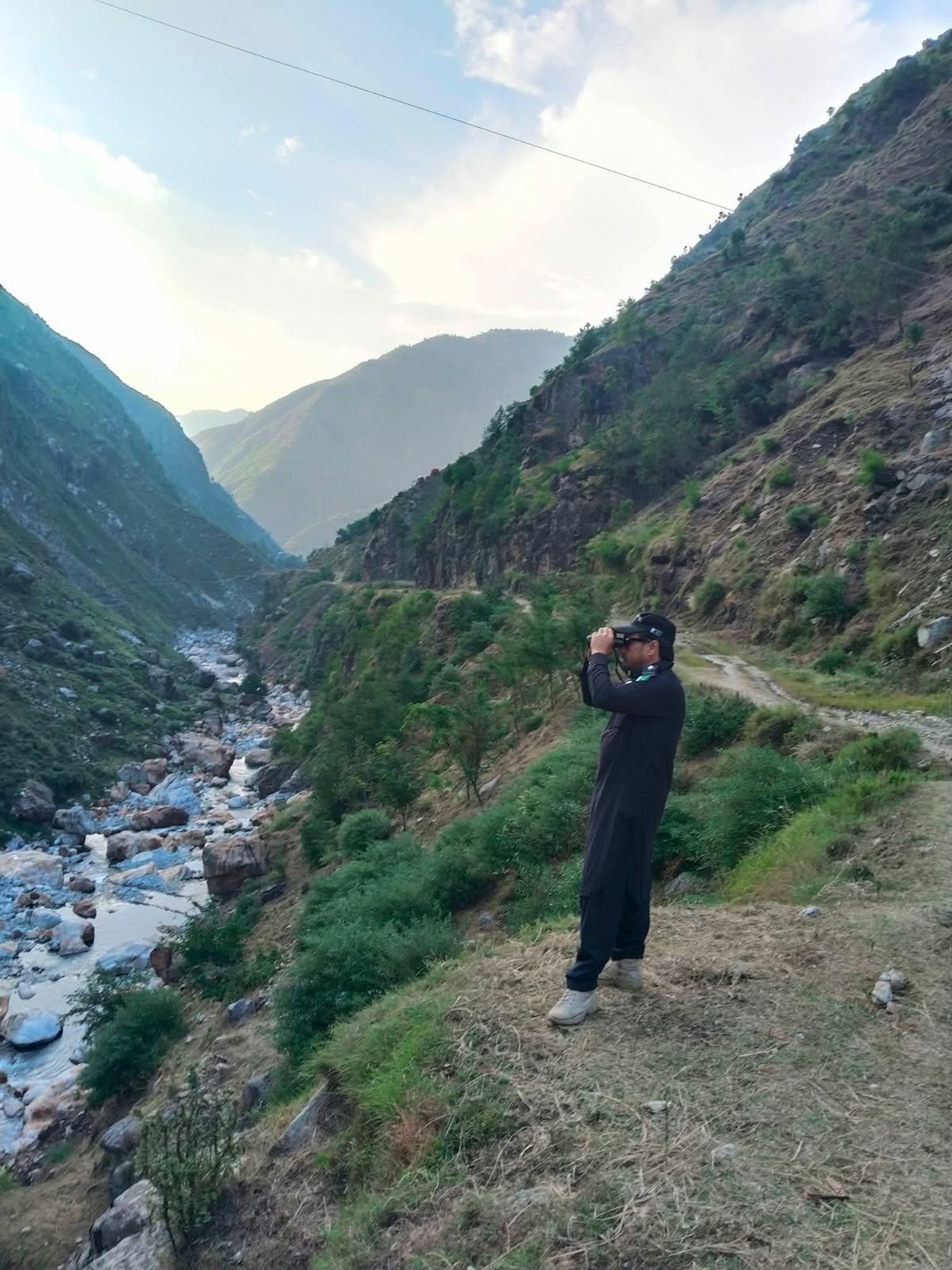
Highlighting efforts against illegal logging, officials said the department carried out 177 enforcement operations between May 1 and July 12, 2026, seizing 8,129 cubic feet of illegally harvested timber and more than 41,500 kilograms of fuelwood while arresting 45 suspects.
The department said modern surveillance systems, fire lines, public awareness campaigns and rapid emergency response mechanisms have also strengthened forest protection.
Officials noted that most forest fires are caused by human negligence, including burning crop residue, setting fire to grazing land and carelessly discarded cigarette butts.
The briefing concluded with a tribute to Forest Department personnel who lost their lives while protecting forests in the Hazara region, describing their sacrifices as an enduring inspiration for conservation efforts.
Also Read: Senate Reviews Gilgit-Baltistan Forest Conservation, Illegal Logging