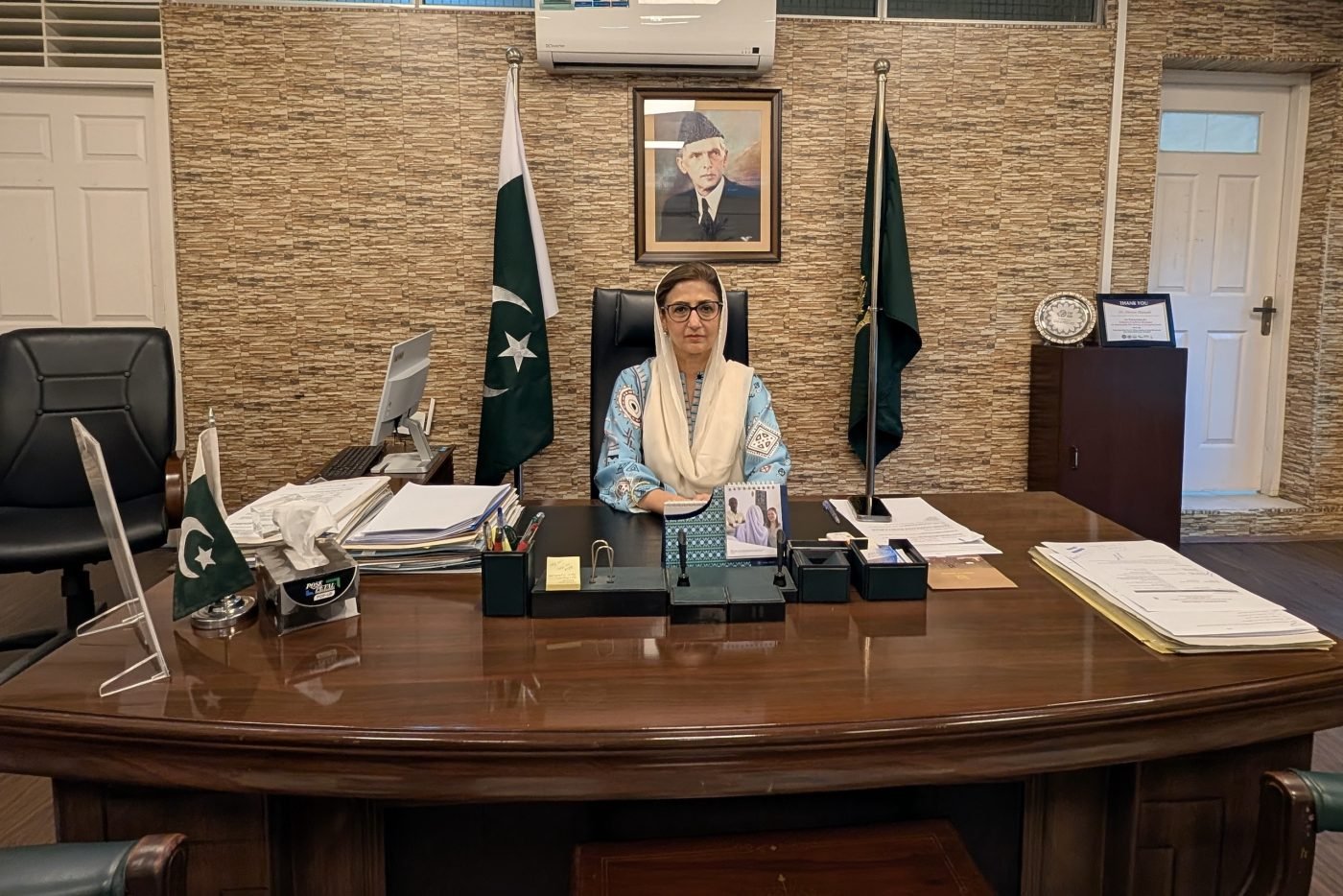
Federal Minister for Climate Change and Environmental Coordination Dr Musadik Malik has warned that climate-related disasters, rapid technological change and global economic inequalities are increasing pressure on Pakistan’s economy and threatening the livelihoods of vulnerable communities.
Speaking at a keynote session at the Institute of Business Administration (IBA), Karachi University Campus, Malik said Pakistan’s economic challenges were shaped not only by domestic policies but also by international developments, including geopolitical tensions, commodity price fluctuations, global interest rates and emerging technologies.
Floods Push Vulnerable Communities Back into Poverty

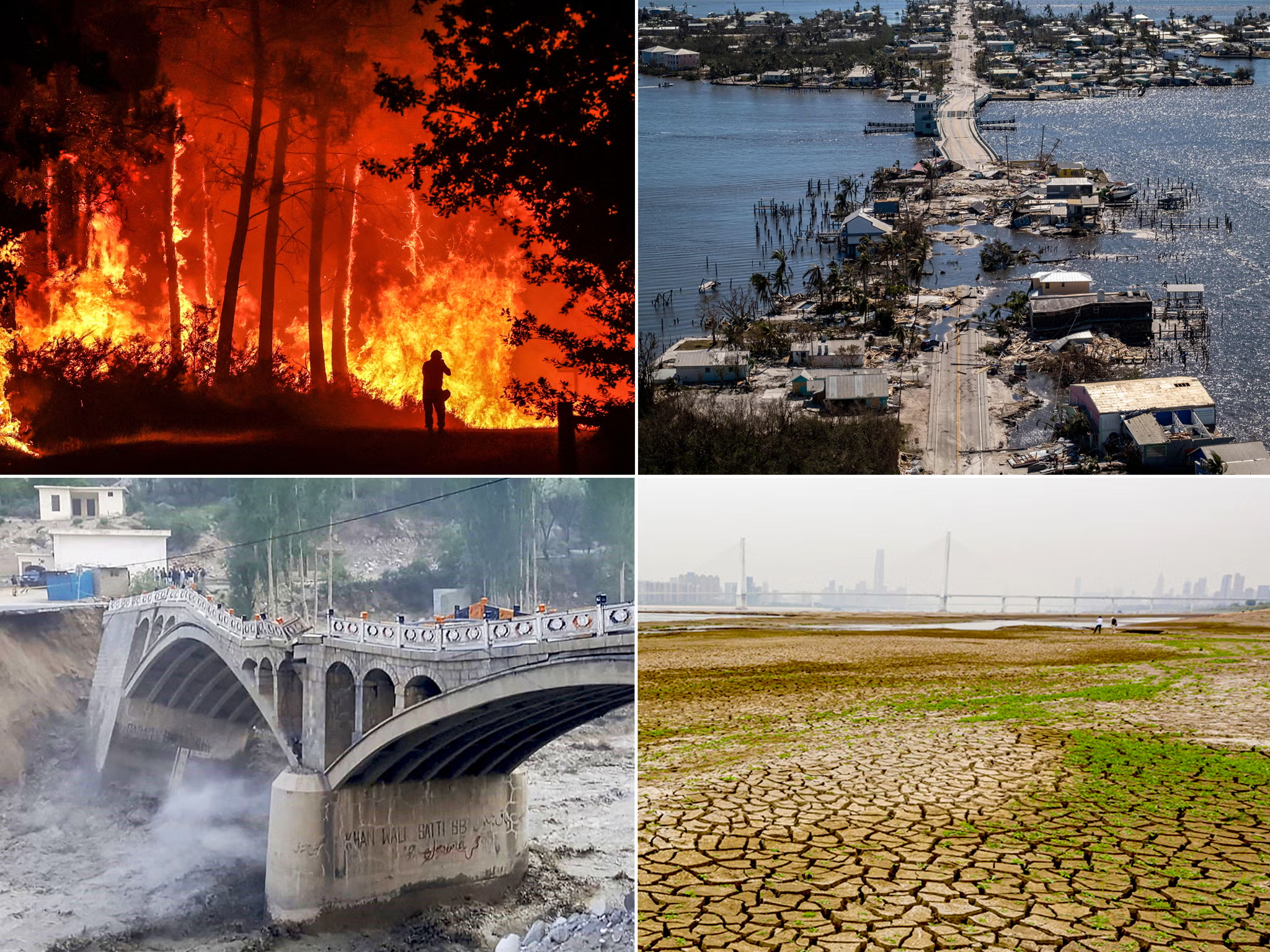
Highlighting the long-term consequences of climate change, the minister said repeated flooding had wiped out years of economic progress for families struggling to escape poverty.
He referred to flood-affected communities in Gilgit-Baltistan, where households that had spent generations improving their living standards lost homes, livestock, schools, healthcare facilities and other essential assets in devastating floods.
Farmers in Sindh and areas bordering Balochistan have also faced repeated agricultural losses. According to Malik, some families continued returning to their ancestral lands after successive floods, but mounting damage eventually forced some to abandon farming.
The minister also highlighted the dangers of extreme heat in Jacobabad, where high temperatures make outdoor and industrial work increasingly hazardous. He described the difficult choices faced by workers who continue working in dangerous conditions because their families depend on their earnings.
Climate Losses Go Beyond Economic Figures
Malik called for a broader assessment of climate-related damage, arguing that gross domestic product (GDP) and financial losses alone cannot capture the full human cost of disasters.
He said the impact should also be measured through deaths, injuries, disability, displacement, interrupted education, maternal and infant mortality, and the destruction of livelihoods.
Citing figures associated with five major flood events, the minister referred to approximately 6,000 deaths, 20,000 injuries or disability cases, and between 30 million and 40 million people displaced. The figures underline the scale of the humanitarian challenges caused by recurring disasters.
Artificial Intelligence and Automation Could Reshape Employment
Beyond climate risks, Malik warned that advances in robotics, automation and artificial intelligence (AI) were transforming industries and could place additional pressure on workers with limited or mixed skill sets.
He also raised concerns about the future of freelance work as AI tools evolve, stressing that workers would need to update their skills more frequently to remain competitive in a changing labour market.
The minister said climate change, technological disruption, economic policy and geopolitical tensions were interconnected challenges requiring coordinated responses rather than isolated measures.
He further expressed concern about uncertainty in the global economic system, including unequal borrowing costs that can leave developing countries such as Pakistan at a disadvantage in international financial markets.
Renewable Energy Offers Opportunities for Pakistan
Malik identified the growing adoption of rooftop solar power as an example of how public participation can help address structural economic challenges.
He said household solar installations had helped reduce reliance on imported liquefied natural gas and conventional energy sources, highlighting the potential of alternative energy to support energy security.
The minister also pointed to solar power, wind energy and water resources as areas that could create opportunities for Pakistan’s future development, particularly for younger generations.
He stressed the importance of improving agricultural productivity through modern seeds and technology, expanding exports, and strengthening research and innovation.
Universities and Young People Have a Key Role
Emphasising the importance of collaboration, Malik said universities could contribute to practical solutions by connecting research and innovation with government priorities and wider social needs.
He called for collective action involving policymakers, academic institutions, businesses and citizens to address the country’s overlapping environmental, economic and technological challenges.
The minister urged students to approach these issues with patience and critical thinking, cautioning against simplistic solutions to complex problems.
Pakistan’s long-term economic resilience, the discussion highlighted, will depend on its ability to prepare communities for climate shocks, equip workers for technological change and make effective use of its renewable energy and agricultural potential.