UK-backed initiative connects Pakistani climate businesses with investors as clean energy, electric transport and waste recycling projects target major expansion
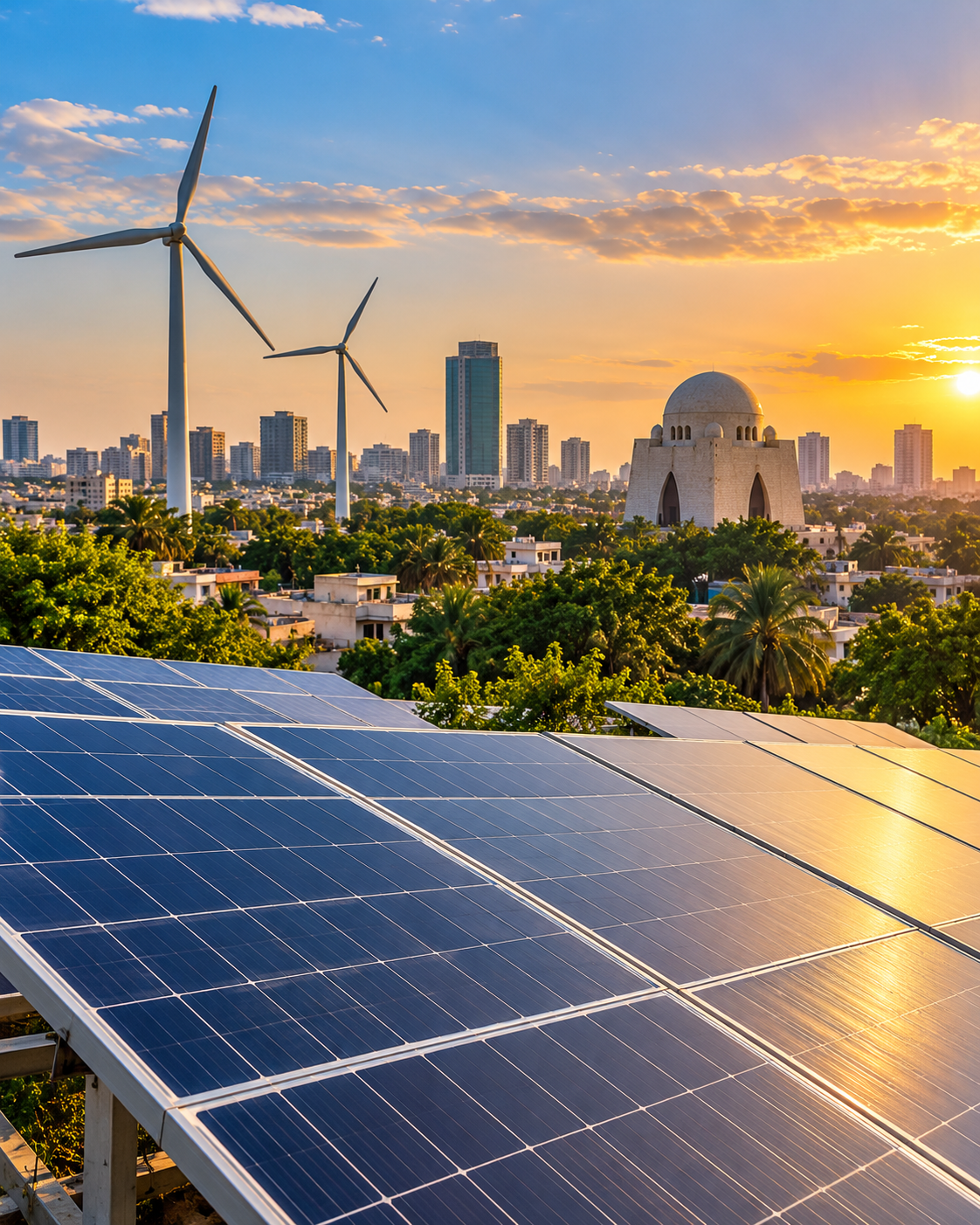
KARACHI, October 29, 2026: Ten Pakistani businesses are seeking a combined US$51 million in investment over the next 12 months to expand climate-friendly solutions across the country, following specialist support from the United Kingdom government.

The businesses are working in sectors including clean energy, sustainable agriculture, waste management, green construction and electric mobility. Their proposals were presented to potential investors, banks and development finance institutions during a two-day investor roadshow held in Karachi on October 27 and 28.
The initiative comes as Pakistan faces growing pressure to strengthen climate resilience, reduce pollution and mobilise private investment for environmentally sustainable development.
$120 Million Green Investment Pipeline
Together, the ten businesses have identified a potential investment pipeline worth US$120 million over three years. However, the US$51 million represents the amount they are seeking, not funding already secured.
The investor roadshow was organised under the Climate Finance Accelerator (CFA) Pakistan programme, implemented by DAI on behalf of the UK government.
The programme provided participating businesses with technical and financial guidance, alongside support on gender equality and social inclusion, to strengthen their investment proposals and improve their readiness to engage with investors.
From Solar Energy to Electric Buses
The participating businesses are developing solutions designed to address some of Pakistan’s most pressing environmental and infrastructure challenges.
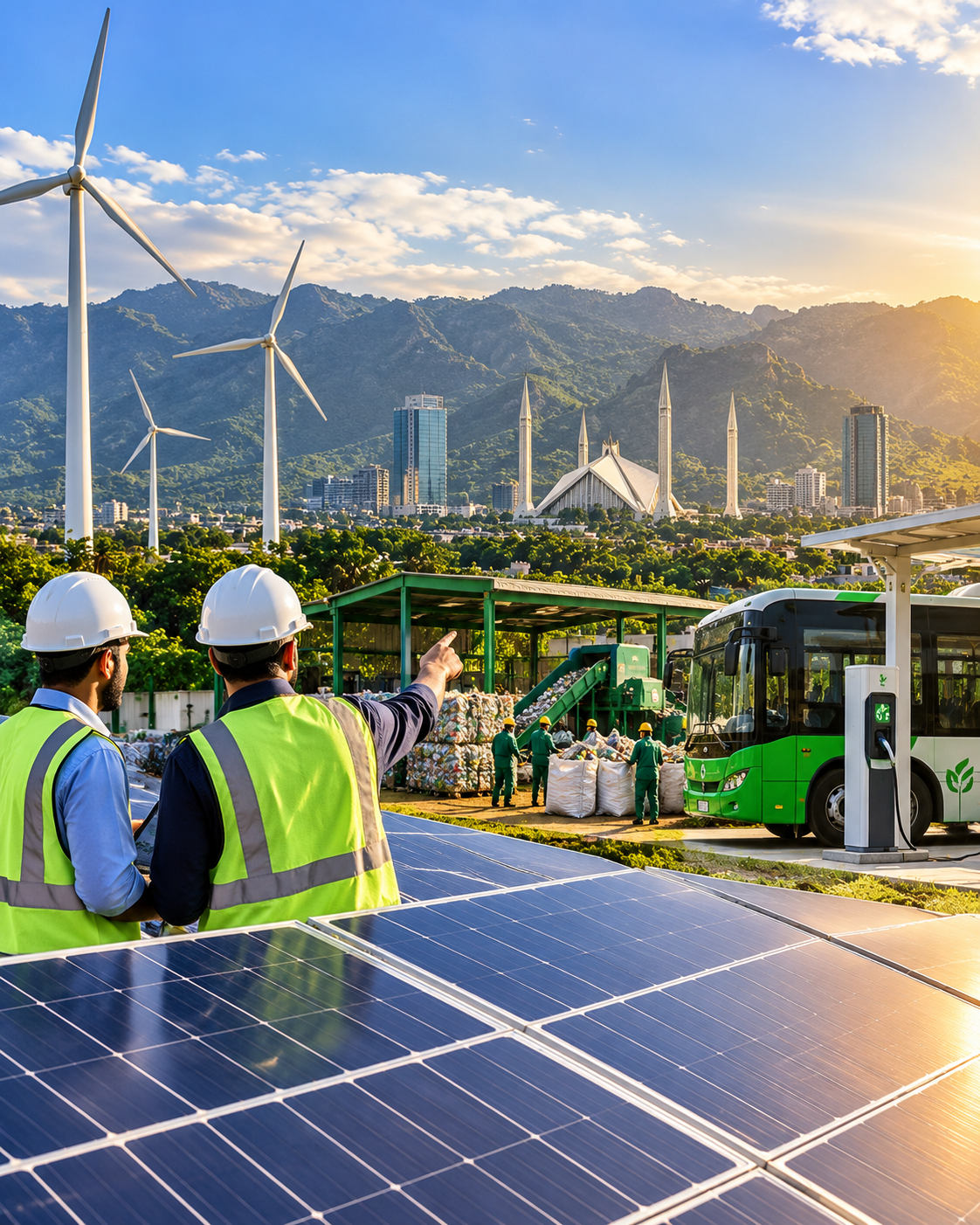
Their projects include converting agricultural waste into bio-coal and compost, expanding recycling facilities, producing energy from organic waste, offering pay-as-you-go solar systems and developing biomass fuel alternatives.
Other proposals focus on improving building energy efficiency through sensor-based technology, creating urban mobility platforms and expanding electric bus fleets with charging infrastructure.
If successfully financed and implemented, these projects could help reduce waste, support cleaner transport, improve energy efficiency and expand access to renewable energy.
UK Support Aims to Unlock Private Investment
The Climate Finance Accelerator has supported 22 projects in Pakistan between 2022 and 2024, helping mobilise US$40 million in investment for climate-related initiatives.
The latest roadshow brought together government representatives, investors and industry stakeholders to discuss how policy, regulatory and market barriers could be addressed to encourage greater private-sector participation in climate solutions.
Alison Blackburne, the British Deputy High Commissioner in Karachi, said the UK’s climate partnership with Pakistan increasingly focuses on mobilising climate finance, strengthening adaptation and resilience, and supporting the systems needed to implement climate-related projects.
Sindh government representatives also emphasised the importance of creating conditions that allow private capital to support sustainable development.
Can Climate Finance Deliver Results for Pakistan?
For Pakistan, attracting investment into green businesses could offer benefits beyond environmental protection. Successful projects may also create employment opportunities, strengthen local industries, improve waste management and support the transition towards cleaner energy and transport systems.
However, the next challenge will be turning investment proposals into funded projects with measurable results for communities and businesses.
As Pakistan confronts climate-related risks and rising demand for sustainable infrastructure, access to finance could play a critical role in scaling solutions developed by local entrepreneurs.
The success of the initiative will ultimately depend on how much investment the ten businesses secure and how effectively their projects deliver practical environmental and economic benefits.