Karachi to Host Major Climate Conference as Experts Raise Concerns Over Electricity Access, Coal Dependence and Rising Solar Costs
KARACHI: Sindh is preparing for a major discussion on its energy future as policymakers, climate experts, activists and community representatives prepare to gather in Karachi for a two-day conference focused on renewable energy, climate justice and long-term energy planning.

The Sindh Energy and Climate Conference, scheduled for November 3–4, 2026, aims to develop recommendations for a coordinated provincial energy policy while addressing a pressing question: why are many communities still struggling with electricity access despite the rapid growth of solar power?
According to organisers, the event will bring together government representatives, researchers, climate campaigners and communities affected by energy shortages. Sindh Chief Minister Murad Ali Shah is expected to attend on the second day.
Sindh Faces Growing Pressure to Define Its Energy Policy
Climate Action Centre Director Yasir Darya has highlighted the need for a coordinated energy strategy, arguing that responsibilities are spread across multiple government departments without a sufficiently unified approach.
He said Sindh needs to plan for its energy requirements over the next 20 to 25 years as demand continues to grow.
The conference is being organised by seven organisations: Sath, the Climate Action Centre Karachi, the Civil Society Support Programme, the Pakistan Industrial Development Corporation, The Knowledge Forum, Indus Consortium and the Pakistan Research Institute for Energy and Development.
Solar Power Is Growing, but Who Is Benefiting?
One of the central issues expected to dominate discussions is the gap between the expansion of solar energy and access to affordable electricity for ordinary people.
Darya questioned why communities without reliable electricity were not benefiting more directly from the growth of solar power.
For rural households, the cost of solar equipment remains a significant barrier. Mehwish Laghari of the Pakistan Research Institute for Energy and Development said some villagers were purchasing solar panels through instalment arrangements at prices reportedly far higher than standard rates.
She called for government-subsidised solar equipment to make clean energy more accessible to low-income families.
Affordable solar financing could help households reduce their dependence on unreliable electricity supplies while supporting wider access to renewable energy.
Coal Remains a Major Challenge for Clean Energy
The transition from fossil fuels to cleaner energy sources is another key issue on the conference agenda.
Zeenia Shaukat of The Knowledge Forum identified coal dependence as a major obstacle to Pakistan’s clean energy transition. Sindh’s role in the country’s coal-based energy sector means provincial decisions could influence the wider direction of national energy policy.
The discussions are expected to examine how renewable energy can expand while addressing the economic, institutional and infrastructure challenges associated with reducing dependence on fossil fuels.
Climate Justice, Wind Energy and Zero-Emission Transport
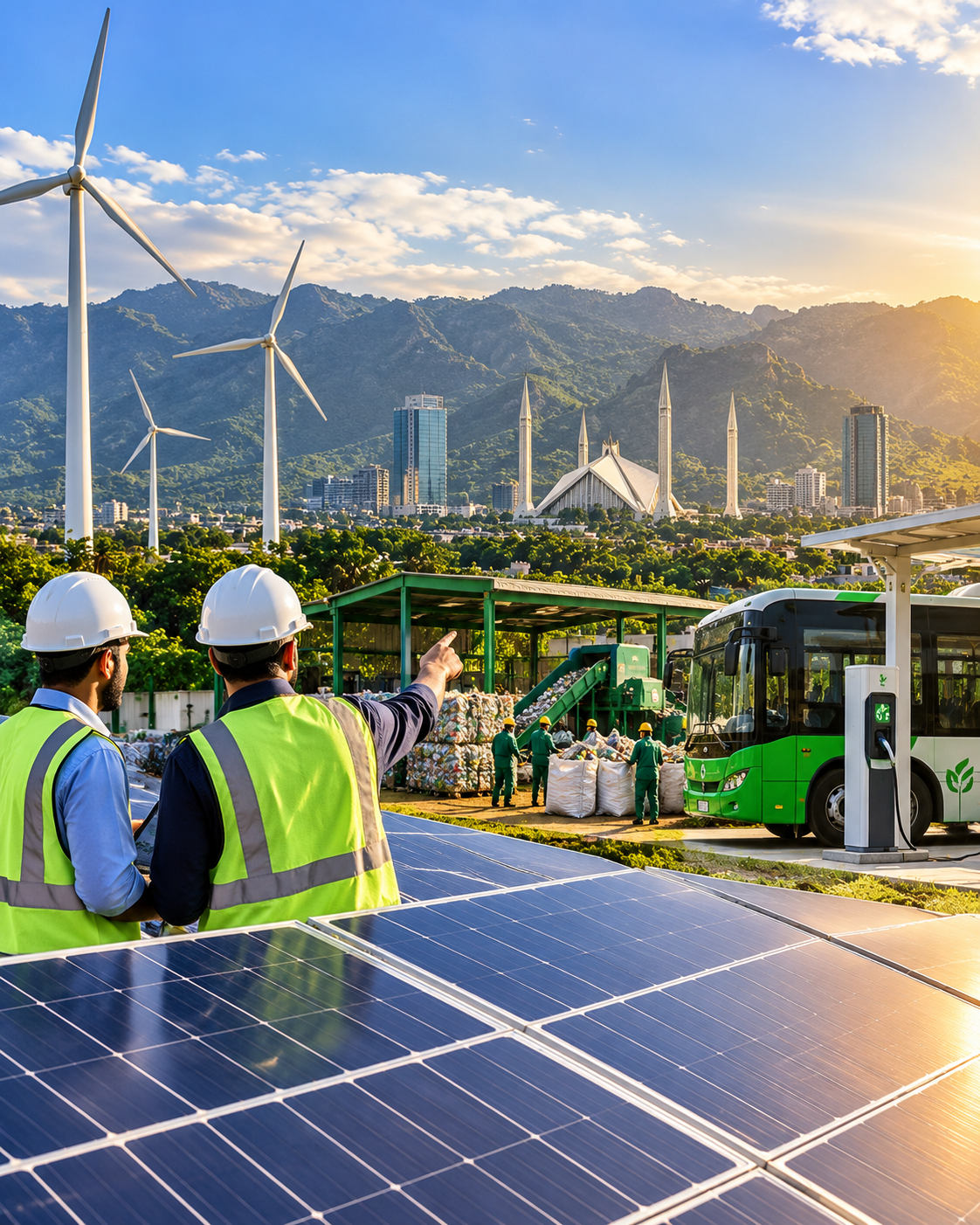
The conference will feature 10 sessions covering energy access, climate justice, decentralised energy governance, solar and wind power, zero-emission transport and climate finance.
Organisers also plan to discuss gaps in wind energy adoption and concerns that climate funding does not always reach communities and cities where it is needed.
A heat action plan for the next summer is also expected to be presented, highlighting the connection between energy planning, extreme heat and climate resilience.
Community representatives from across Sindh, particularly from areas lacking electricity, are expected to participate.
Why This Conference Matters
The outcome of the gathering could help shape discussions about Sindh’s long-term energy priorities, including access to affordable electricity, renewable energy investment and climate adaptation.
However, the real test will be whether discussions translate into practical measures that reach underserved communities.
For families struggling with electricity shortages and expensive solar equipment, the promise of a cleaner energy future will matter most when it becomes affordable and accessible.
As Sindh considers its next phase of energy development, the challenge is not only to generate more power but also to ensure that its benefits reach the people who need them most.