LAHORE: The Punjab government has stepped up wildlife conservation efforts through modern technology, rescue operations and expanded field teams, with more than 50,000 birds, 1,020 wild animals and 30 bears reportedly rescued under the initiative.
The measures are being implemented by the Punjab Wildlife and Parks Department under the leadership of Chief Minister Maryam Nawaz Sharif, with a focus on protecting rare species and strengthening wildlife conservation across the province.


According to the information released by the department, 544 wildlife rangers have been deployed across Punjab, including women who account for 24 per cent of the force.
To improve emergency response and animal care, the department has also introduced 13 modern rescue vehicles, along with what it describes as Punjab’s first wildlife hospital on wheels and a mobile veterinary clinic.

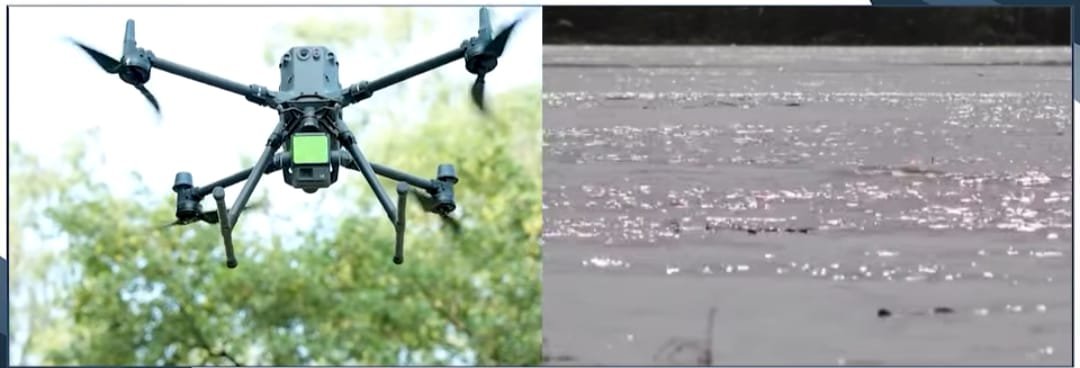
Artificial intelligence (AI) technology is being used to support wildlife protection and rescue efforts, as part of the province’s broader push to modernise conservation operations.
The reported rescue figures include more than 50,000 birds, 1,020 wild animals and 30 bears, highlighting the scale of the department’s stated efforts to respond to wildlife-related cases and safeguard animals.
The expansion of ranger deployment, mobile veterinary services and rescue facilities is intended to strengthen the department’s capacity to protect wildlife and provide timely assistance to animals in need.
Effective implementation will remain important to ensuring that rescued animals receive appropriate veterinary care and, where possible, are rehabilitated and returned to suitable natural habitats.