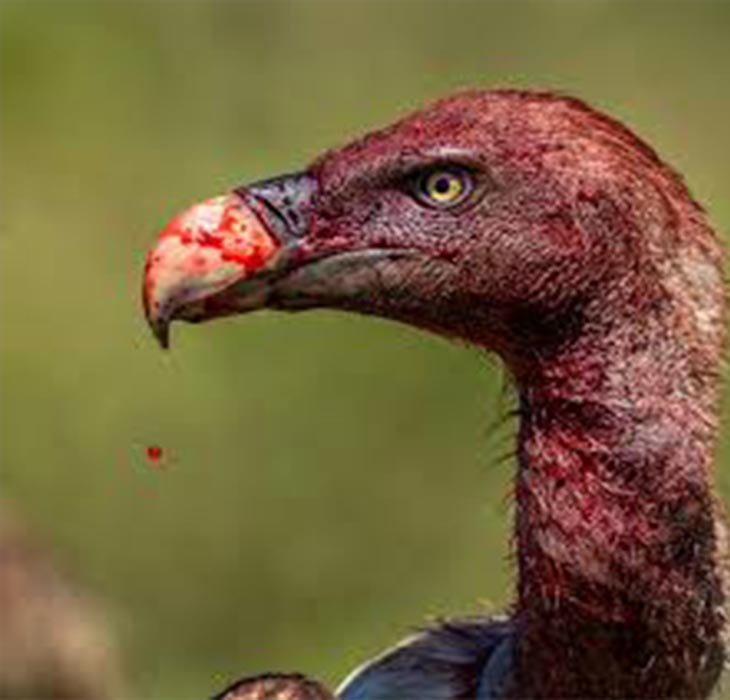
ISLAMABAD, Pakistan: Often associated with bad luck and ominous signs, vultures are in fact among nature’s most important environmental cleaners. These remarkable birds play a critical role in ecosystems by rapidly consuming dead animals and helping limit the spread of potentially dangerous diseases.
Nature’s Natural Clean-Up Crew
Vultures are sometimes described by biologists as nature’s sanitation department because of their specialised role in removing animal carcasses from the environment.

When livestock and other animals die, their bodies can become breeding grounds for harmful pathogens. Vultures can consume carcasses within a relatively short period, helping prevent the accumulation of decaying animal remains and reducing opportunities for certain disease-causing organisms to spread.
The Jang report notes that vultures can help limit the spread of serious diseases, including anthrax and tuberculosis, by rapidly removing carcasses from the environment.
Vultures Facing a Serious Survival Challenge
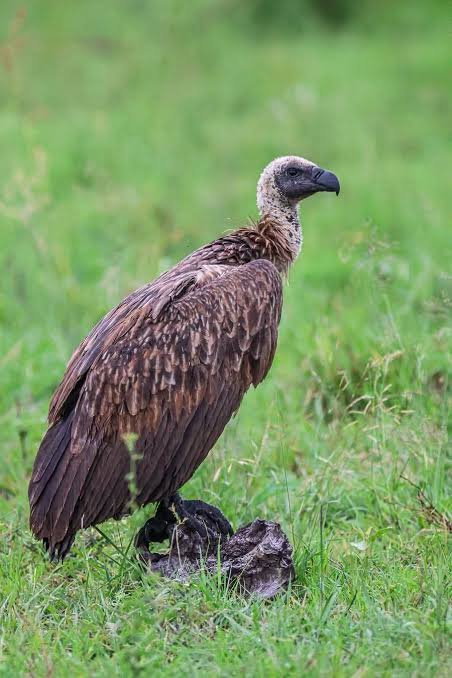
Despite their ecological importance, vulture populations are facing significant pressures. Deforestation, expanding human populations, modern construction and the conversion of agricultural land into residential areas are among the factors reducing suitable habitat for these birds.
Another major concern is the use of certain veterinary medicines in livestock. Some drugs can pose serious risks to vultures when the birds feed on the carcasses of treated animals.
The combination of habitat loss, changes in land use and exposure to harmful substances has contributed to the conservation challenges facing several vulture species.
Conservation Efforts in Pakistan
Conservation organisations have increasingly focused on protecting vultures and creating conditions that can support their recovery.
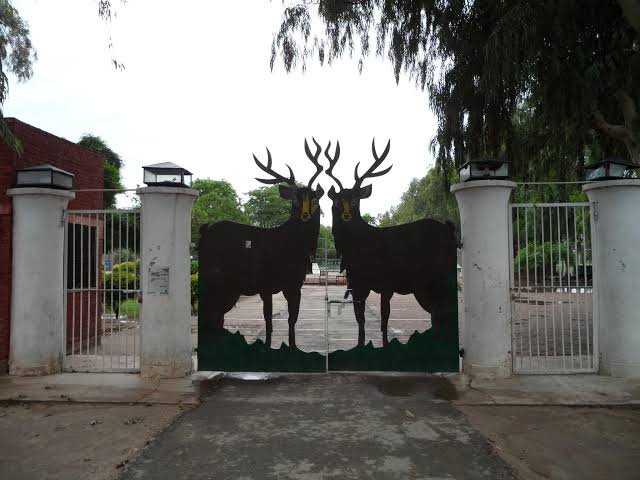
According to the report, the World Wide Fund for Nature (WWF) has established a vulture breeding centre at Changa Manga Forest in Pakistan. Such breeding programmes can play an important role in maintaining threatened populations and supporting wider conservation efforts.
Breeding centres also provide opportunities for conservationists to study vulnerable species, improve breeding techniques and potentially strengthen wild populations through carefully managed conservation programmes.
Why Vultures Matter to Ecosystems
The importance of vultures extends far beyond their role as scavengers. By removing dead animals from the landscape, they contribute to ecosystem cleanliness, nutrient cycling and disease control.
Without sufficient numbers of scavenging birds, carcasses may remain in the environment for longer periods, potentially creating additional health and environmental risks.
Their role demonstrates how every species can contribute to maintaining ecological balance—even animals that humans have historically misunderstood or viewed negatively.
Changing the Perception of Vultures
For centuries, cultural beliefs in some societies have portrayed vultures as symbols of death or misfortune. Their association with carcasses has often overshadowed their ecological value.
However, their role in maintaining healthy ecosystems presents a very different picture. Rather than being harbingers of bad luck, vultures are essential contributors to environmental health.
Protecting their habitats, reducing exposure to harmful veterinary medicines and supporting conservation and breeding programmes can help ensure these important birds continue performing their natural role.
The story of the vulture is ultimately a reminder that protecting biodiversity is not only about conserving beautiful or popular species. Even creatures that are often misunderstood can be essential to the health and stability of entire ecosystems.