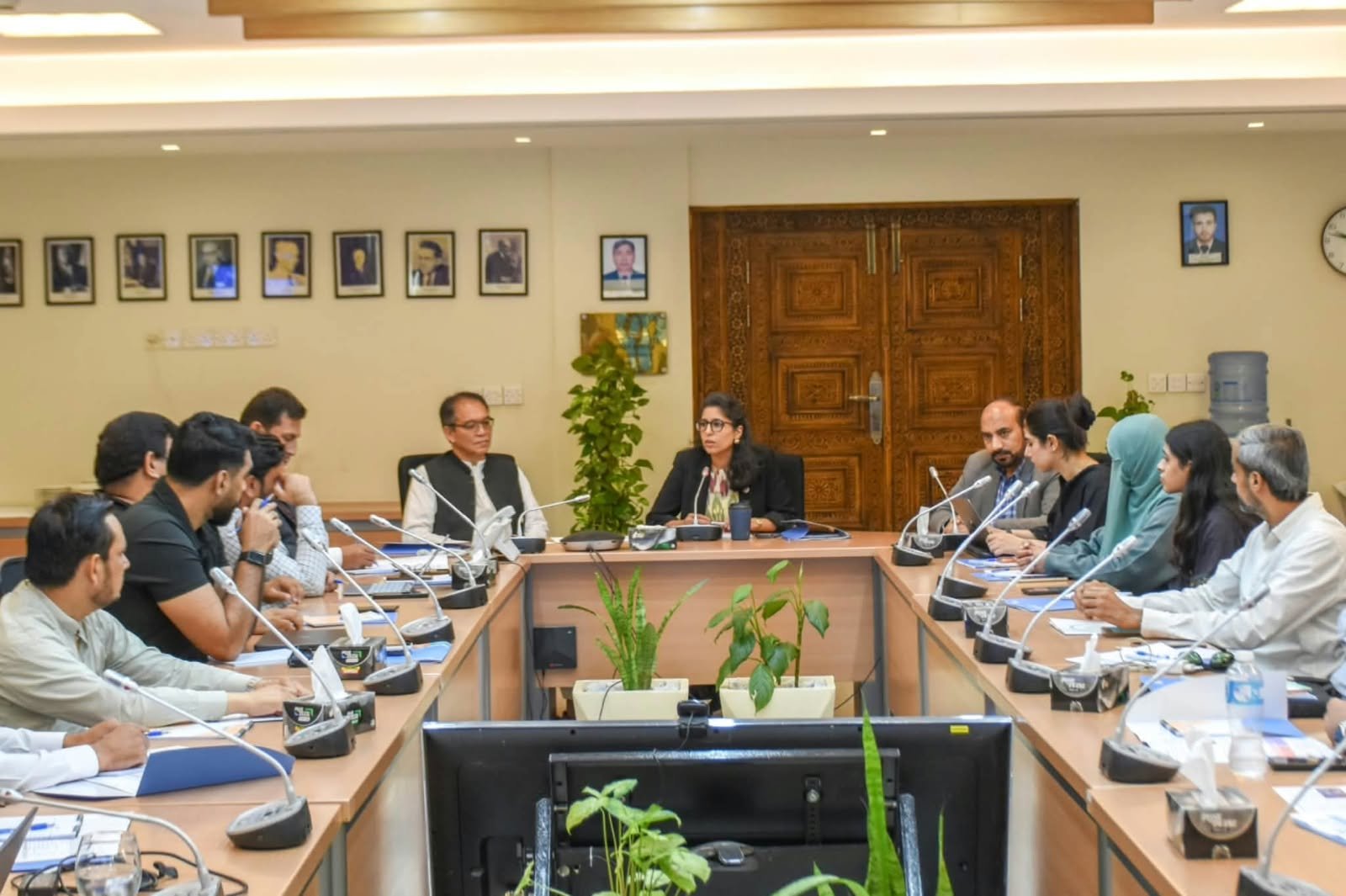
ISLAMABAD: The Food and Agriculture Organization of the United Nations (FAO) has organised a two-day stakeholder consultation and scoping workshop in Islamabad to strengthen Pakistan’s frontline workforce for wildlife protection, biodiversity conservation and ecosystem health.
The workshop brings together government representatives, academics, technical experts and conservation organisations to identify ways to improve the skills and capacity of wildlife rangers and other frontline professionals.

Discussions are focusing on equipping field staff to detect, prevent and respond to emerging health risks at the human, wildlife and livestock interface. The participants are also examining ways to improve natural resource management through the One Health approach, which recognises the close links between human, animal and environmental health.
Representatives from relevant federal and provincial authorities, research and academic institutions, and national and international partners, including FAO, the World Health Organization (WHO) and the Asian Development Bank (ADB), are participating in the consultations.
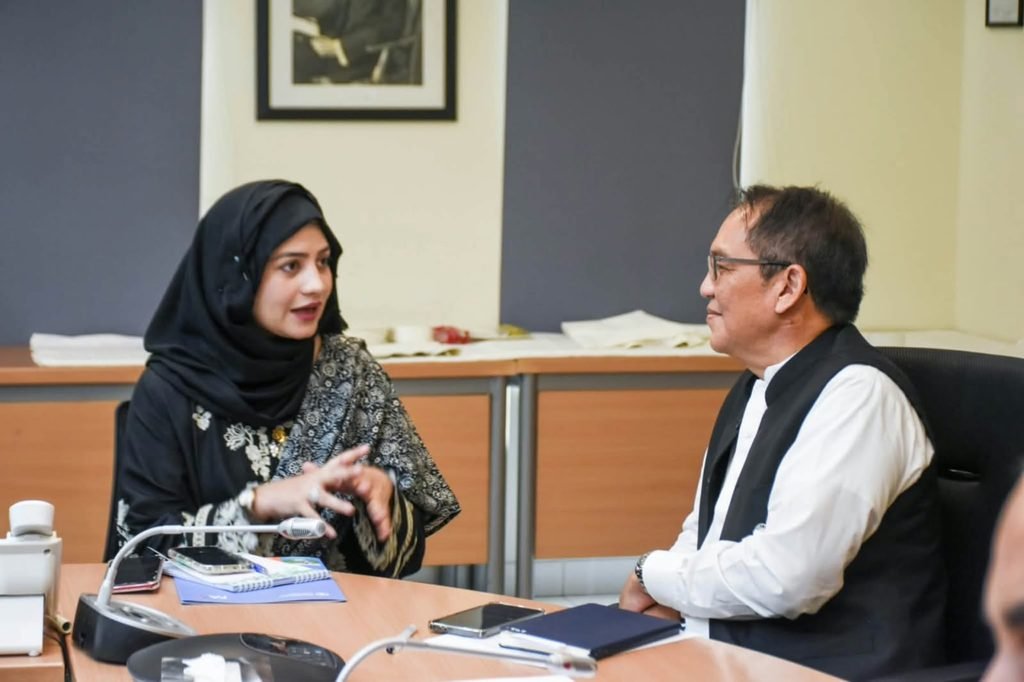
The FAO Frontline Field Training Programme for Wildlife, Environment, Biodiversity and Ecosystems (FTP-WEBE) team, including Scott Newman and Zack Dvornicky-Raymond, is guiding the discussions and programme planning.
The consultations aim to identify priority skills, training needs and relevant learning modules for a Pakistan-specific FTP-WEBE programme. The proposed initiative is intended to strengthen the ability of frontline professionals to address wildlife health risks, protect natural habitats and respond to emerging environmental challenges.
Frontline wildlife workers play an important role in monitoring ecosystems, identifying threats to wildlife and supporting conservation efforts. Better training can help them recognise potential disease risks, improve field surveillance and strengthen coordination between wildlife authorities, health institutions and environmental agencies.
The workshop highlights the importance of a coordinated One Health approach in Pakistan, where protecting wildlife and biodiversity is closely linked to healthier ecosystems and safer communities.
The outcomes of the two-day consultation are expected to help shape a training programme tailored to Pakistan’s needs, supporting stronger field capacity for wildlife conservation, environmental protection and sustainable natural resource management.