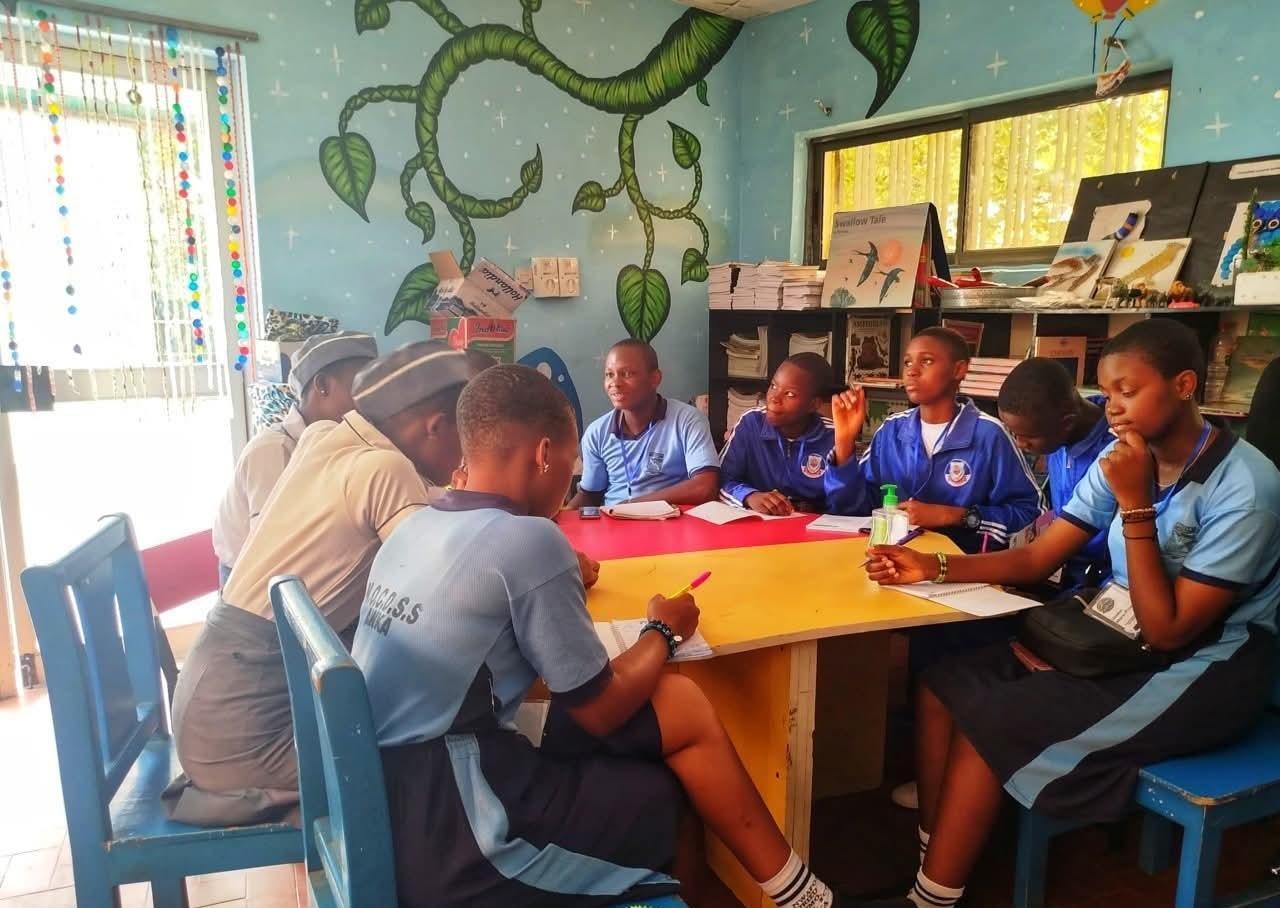
ABUJA: Environmental education should become an integrated part of the secondary school curriculum in Nigeria to help students better understand climate change, biodiversity and the environmental challenges affecting their communities.
Integrating environmental topics into existing subjects can help students see the connection between nature and their everyday learning. For example, geography lessons on regional deforestation can explain how the loss of forests affects communities, while biology classes on ecosystems can help students understand the relationship between biodiversity and healthy natural systems.

Environmental education does not need to be limited to a separate subject. Instead, climate and environmental issues can be connected with science, geography, agriculture, economics and other areas of learning.
Such an approach can help students develop practical knowledge about issues including deforestation, pollution, biodiversity loss, waste management, water conservation and climate change.
Preparing young people for a changing climate also requires more than awareness. Students need the knowledge and skills to understand environmental risks, make responsible choices and participate in solutions within their communities.
As Nigeria and other countries face growing environmental pressures, strengthening environmental education in schools can help build a generation that is better prepared to protect natural resources and respond to climate challenges.
Building a climate-ready generation begins in the classroom, where environmental knowledge can become part of how young people understand the world around them.