PESHAWAR, September 15, 2026: A third Disaster Risk Management (DRM) Badge Training of Trainers was successfully held in Peshawar, strengthening efforts to prepare young people and communities to respond to disasters and climate-related risks.
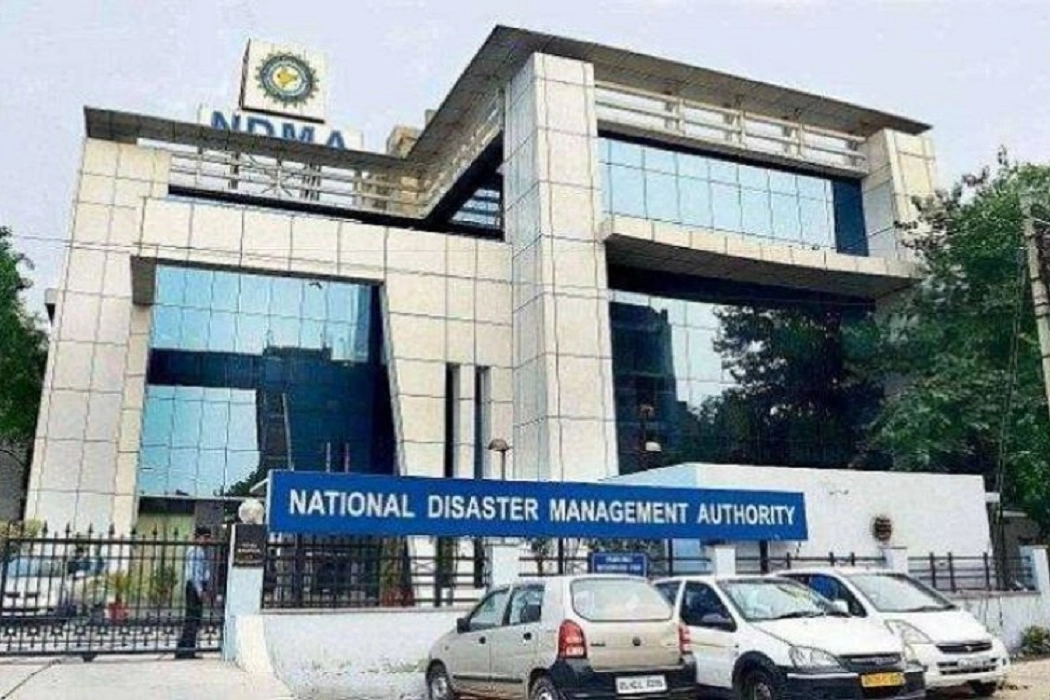
The three-day training was held from August 31 to September 3, 2026, at the Provincial Headquarters of the Khyber Pakhtunkhwa Boy Scouts Association. It was organised under a joint initiative of the National Disaster Management Authority (NDMA), UNICEF Pakistan and the Pakistan Boy Scouts Association.

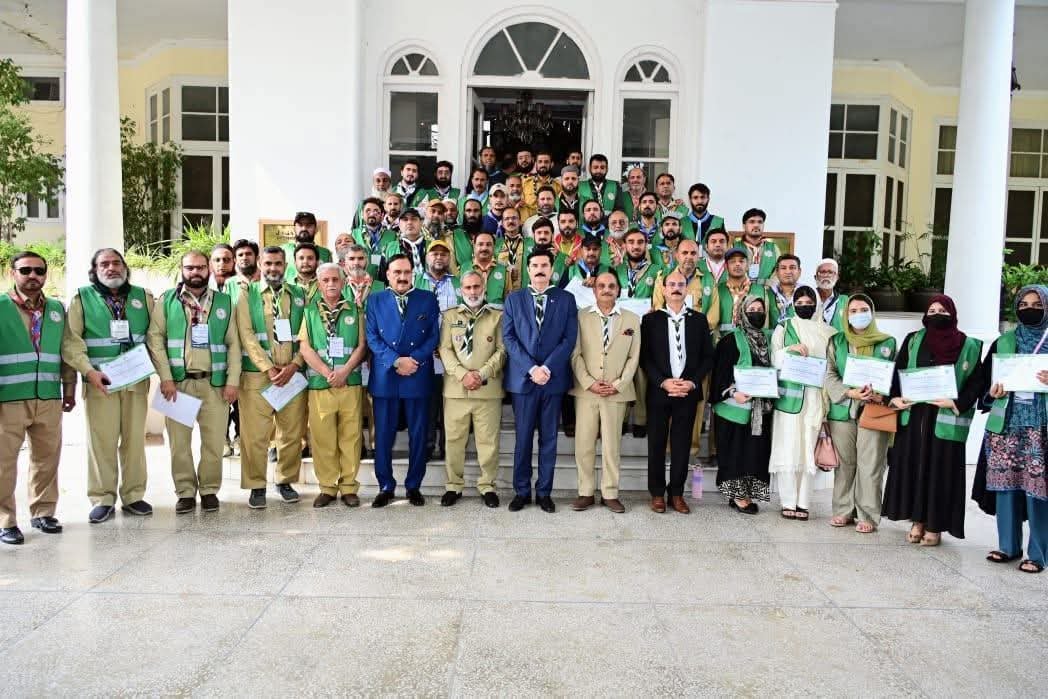
The training brought together district-level Scout leaders from across Khyber Pakhtunkhwa. Participants received knowledge and practical skills aimed at strengthening disaster preparedness and community-level response.
Female university students from Peshawar also participated in the training. As newly trained advocates for disaster risk reduction, they are expected to share their knowledge with fellow students and promote a stronger culture of preparedness among young people.
The certificate distribution ceremony was held at Governor House Peshawar, where Khyber Pakhtunkhwa Governor and Provincial Chief Commissioner Mr Faisal Karim Kundi attended the closing session.
The Governor expressed his support for strengthening the Scouting Movement in the province and appreciated the efforts of NDMA and UNICEF to promote youth-led disaster preparedness. He also encouraged the trained Master Trainers to take disaster awareness and life-saving skills to communities across the province.
With three Master Trainer cohorts now completed, the DRM Badge initiative is building a wider network of trained Scout leaders and university students who can support communities before, during and after disasters.
As climate change increases the risks of floods, landslides, heatwaves and other extreme events, community-level preparedness is becoming increasingly important. Training young people in disaster risk reduction can help build safer, more informed and climate-resilient communities across Pakistan.