ISLAMABAD: Federal Minister for Planning, Development and Special Initiatives Professor Ahsan Iqbal has called for transforming Pakistan’s automobile industry from a predominantly domestic-market-oriented sector into a globally competitive, export-driven industry integrated with international supply chains.
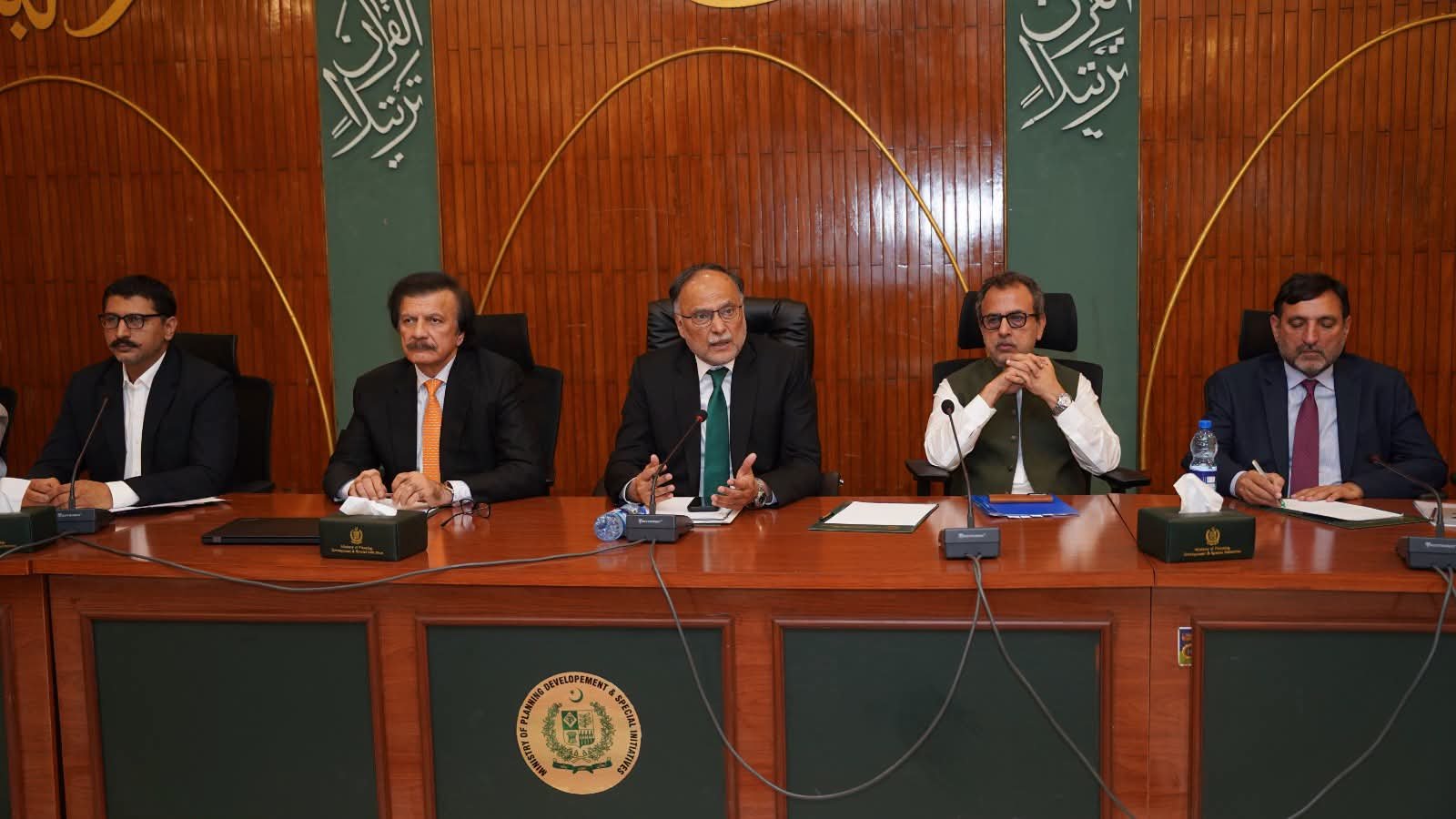
Addressing a policy dialogue organized by the Planning Commission on “Pakistan’s High-Value Export Potential: Risks and Opportunities for the Automotive Industry,” the minister said the sector had made significant progress in recovery but its next challenge was to convert this recovery into sustainable export growth.
According to the data presented during the dialogue, passenger vehicle sales increased by 39.4 percent during FY2026, while vehicle production rose by 58.8 percent during the first 11 months of the fiscal year, making the automobile sector an important contributor to the recovery of large-scale manufacturing.
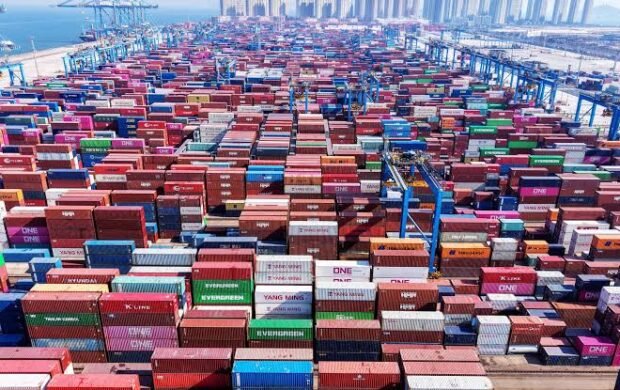
However, Pakistan’s automotive exports remain around $200 million, against a target of $3 billion, highlighting the need for a major shift in the industry’s strategy.
Prof. Ahsan Iqbal said Pakistani manufacturers could no longer remain focused solely on a domestic consumer market of around 250 million people when the global market offered access to billions of consumers.
He pointed to successful examples of localization in Pakistan as evidence of the sector’s export potential. Tractors with around 94 percent local content are already being exported to African markets, while two-wheelers with more than 90 percent localization have entered South Asian markets.
Directions for Auto Policy 2.0
The federal minister called for a stronger policy framework under Auto Policy 2.0, focusing on:
Promoting localization and developing competitive domestic value chains.
Closing gaps in technology, quality and international standards.
Producing globally competitive vehicles and automotive components.
Connecting Pakistani manufacturers with international supply chains.
Increasing export volumes through stronger government-industry-academia collaboration.
Prof. Ahsan Iqbal also emphasized the need to utilize Pakistan’s existing industrial capacity more effectively. Around 59 percent of passenger vehicle production capacity is currently underutilized, he noted, adding that export demand could help activate this unused capacity.
He stressed that Pakistan’s economic vision should move beyond dependence on domestic consumption towards an export-oriented and globally competitive economy integrated into international value chains.
The minister said the objective was no longer simply to produce more for Pakistan, but to produce competitively for global markets.
The policy dialogue therefore highlighted a strategic transition for the automotive sector: from recovery to competitiveness, from localization to exports, and from domestic production to global value chains.