LAHORE: NIPPON HEV has unveiled its next-generation hybrid, hydrogen-based mobility solutions and advanced battery technologies in Pakistan, highlighting the growing potential of green transport in the country’s transition toward cleaner and more sustainable mobility.
The company’s new HEV (Hybrid Electric Vehicle) was introduced during the Electric Power and Energy Exhibition held at Lahore Expo Centre on July 26, 2026, where it attracted considerable interest from visitors, industry representatives and stakeholders.

NIPPON HEV also announced plans to introduce hydrogen-powered vehicles in Pakistan in 2027, presenting hydrogen-based mobility as part of its longer-term vision for cleaner transportation.
The development comes at a time when Pakistan is facing rising energy costs, growing fuel-import requirements and increasing environmental pressures, making the transition toward cleaner transportation increasingly important.
Hydrogen Mobility and Pakistan’s Green Transport Future
According to NIPPON HEV, its portfolio includes hydrogen-powered vehicles, passenger cars, motorcycles and advanced battery technologies designed to provide more efficient and environmentally friendly mobility options.
The company aims to develop a broader clean-energy transportation ecosystem that can contribute to Pakistan’s objectives of energy security, technological development and sustainable economic growth.
Hydrogen-powered vehicles could become an emerging component of Pakistan’s green transport landscape if the required technology, safety standards, infrastructure and renewable-energy systems are developed at scale.
The company says its planned hydrogen mobility solutions could help reduce dependence on conventional fossil fuels while supporting cleaner transportation.
Zero-Emission Potential
One of the key environmental attractions of hydrogen fuel-cell mobility is its potential for zero tailpipe emissions.
In a hydrogen fuel-cell vehicle, hydrogen reacts with oxygen inside the fuel cell to generate electricity that powers an electric motor. The primary direct by-product is water, rather than the carbon dioxide, nitrogen oxides and particulate pollution associated with conventional internal-combustion engines.
This could have important implications for Pakistan’s major urban centres, where transport-related air pollution is a growing environmental concern.
However, the overall climate benefit of hydrogen transportation depends heavily on how the hydrogen is produced. Hydrogen generated using renewable electricity, such as solar or wind power, can offer a much lower-carbon pathway than hydrogen produced using fossil fuels.
For Pakistan, combining hydrogen technology with the country’s expanding solar-energy potential could therefore provide an opportunity to develop a more sustainable transport system.
SM Munir Inaugurates Launch Ceremony
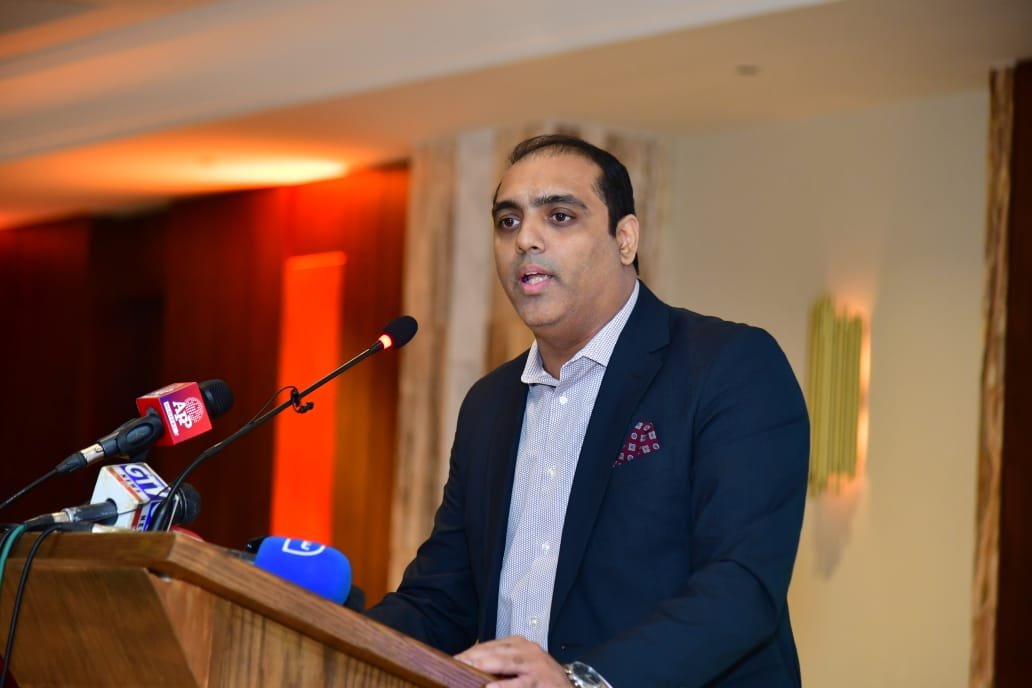
The launch ceremony was inaugurated by SM Munir, former federal minister and prominent business leader, in the presence of government officials, banking-sector representatives, industrialists, investors, business leaders and members of the media.
Speaking at the ceremony, SM Munir congratulated NIPPON HEV on introducing Japanese technology and emphasized the importance of innovation and clean energy for Pakistan’s future.
He said the development of clean-energy and advanced battery technologies could support efforts to reduce dependence on imported fossil fuels, strengthen the economy and encourage sustainable industrial development.
He also congratulated the NIPPON HEV team on the initiative and expressed his best wishes for the company’s future plans in Pakistan.
NIPPON: Pakistan Has Significant Potential for Clean Mobility
Haris Khan, Group COO, NIPPON – Japan, said Pakistan represented an important market with significant potential for transformation in the clean mobility sector.
He said the company was bringing advanced Japanese technology and future-oriented mobility solutions to Pakistan with the objective of supporting the country’s transition toward sustainable transportation.
According to Khan, the initiative goes beyond introducing individual vehicles and represents the beginning of a broader direction for Pakistan’s mobility future.
The company says it intends to develop technologies that combine efficiency and environmental responsibility while contributing to Pakistan’s transition away from conventional fossil-fuel-based transportation.
From Hybrid Vehicles to Hydrogen Mobility
The introduction of NIPPON HEV’s hybrid technology and its planned hydrogen-powered vehicles highlights the rapidly evolving landscape of alternative transportation in Pakistan.
Hybrid vehicles can reduce fuel consumption by combining an internal-combustion engine with an electric motor, while fully electric and hydrogen fuel-cell vehicles offer pathways toward significantly reducing or eliminating tailpipe emissions.
For Pakistan, the environmental benefits could be particularly important as cities struggle with air pollution and transport demand continues to grow.
Cleaner vehicles could contribute to:
Reduced tailpipe emissions
Lower urban air pollution
Reduced dependence on petrol and diesel
Greater integration of renewable energy
Lower greenhouse-gas emissions, depending on the energy source
Development of a cleaner transportation system
Increased adoption of sustainable mobility technologies
Challenges Remain
Despite the promise of hydrogen and other clean-transport technologies, their large-scale adoption in Pakistan will require significant investment in infrastructure and technical capacity.
Hydrogen production, storage and distribution require specialized systems, while vehicles need appropriate safety standards and refueling infrastructure.
The environmental performance of hydrogen vehicles will also depend on whether the hydrogen is produced from renewable or fossil-fuel-based energy.
Similarly, the availability of affordable vehicles, charging and refueling infrastructure, local manufacturing capacity and clear government policies will play an important role in determining how quickly Pakistan’s green transport sector can develop.
A Step Toward a Greener Pakistan
NIPPON HEV’s plans represent another development in Pakistan’s evolving clean mobility sector.
The introduction of hybrid technology and the proposed launch of hydrogen-powered vehicles in 2027 could contribute to a broader national conversation about how Pakistan can reduce its dependence on fossil fuels while improving urban air quality and moving toward a more sustainable transportation system.
The transition to green transport will not depend on a single technology. Hybrid vehicles, battery-electric vehicles, hydrogen mobility, public transport electrification and renewable energy can potentially play complementary roles.
For Pakistan, the real opportunity lies in connecting these technologies with its growing renewable-energy potential and developing the infrastructure, policies and local manufacturing capabilities needed to support them.
If implemented responsibly and supported by renewable energy, cleaner transportation technologies could help Pakistan move toward a future with lower emissions, cleaner urban air and greater energy security.
The NIPPON HEV initiative therefore reflects more than the arrival of another vehicle technology. It highlights the broader possibility of building a cleaner, smarter and greener transport system for Pakistan’s future.