Rizwan Tahir Chohan
ISLAMABAD, Aug. 6: The Press Information Department (PID), under the Ministry of Information and Broadcasting, organized a one-day capacity-building workshop titled “Strengthening Climate Change Journalism” at the Information Services Academy (ISA) in Islamabad to enhance the professional skills of journalists covering climate and environmental issues.

The workshop aimed to equip media professionals with updated knowledge, practical reporting skills, and expert insights to improve the quality and accuracy of climate change journalism in Pakistan.
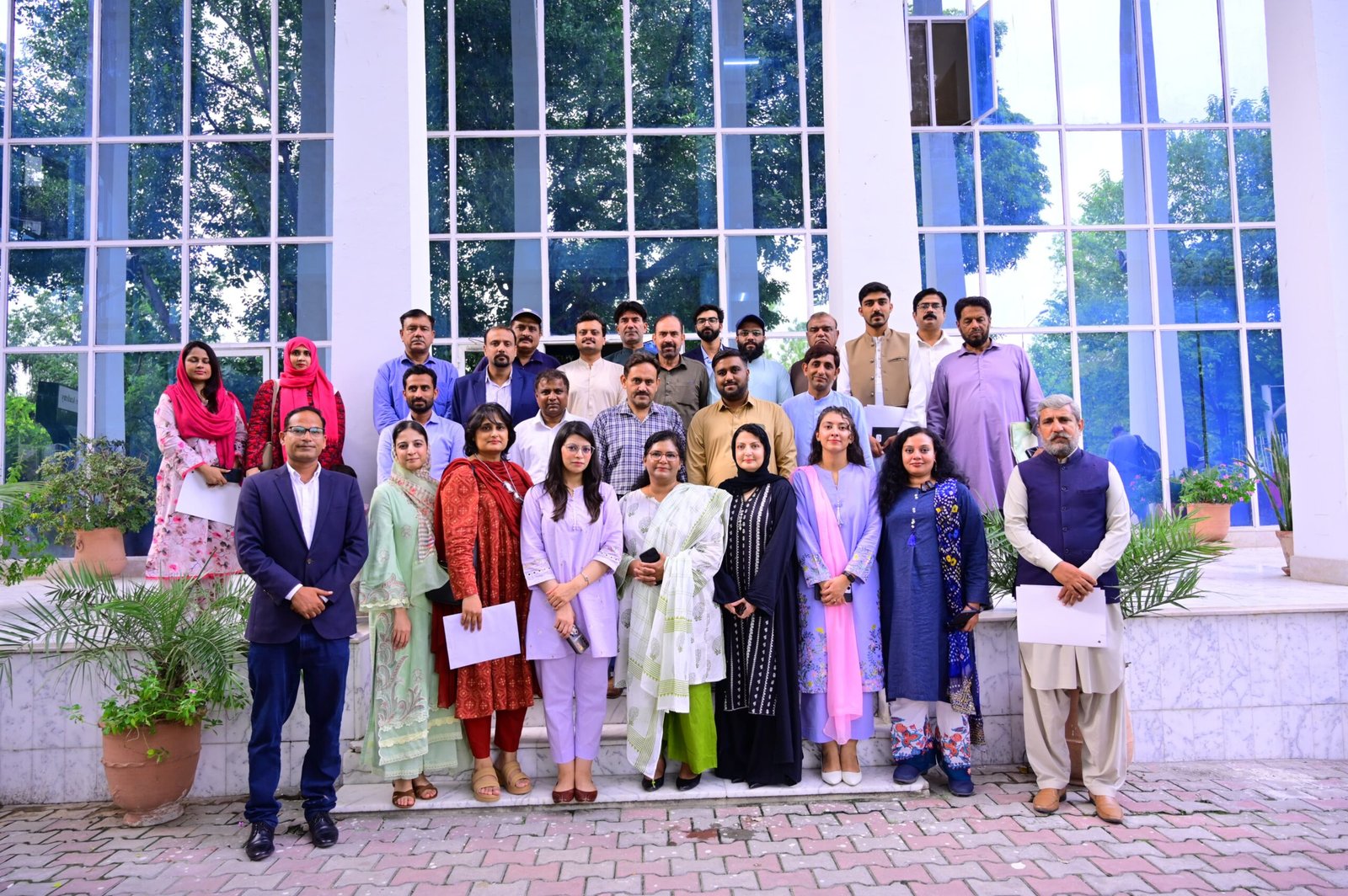
Journalists representing leading newspapers, television channels, digital media platforms, and other media organizations from across the country participated in the training programme.
The workshop featured a series of expert-led sessions covering key aspects of climate change reporting. Dr. Adil Naseer, Chief Executive Officer of the All Pakistan Geoscientists Association (APGSA), spoke on community-based disaster risk reduction, highlighting the importance of preparedness and resilience at the local level.
Dr. Shaukat Ali, Senior Scientific Officer at the Global Climate Change Impact Studies Centre (GCISC), discussed recent advances in climate science and emphasized the need for translating scientific knowledge into accurate and accessible media reporting.
Shakeel Ramay, Chief Executive Officer of the Asian Institute of Eco Civilization Research and Development (AIERD), delivered a session on climate change and urban governance, stressing the importance of sustainable urban planning in addressing growing environmental challenges.
Dr. M. Rafiq, Member for Climate Finance at the Pakistan Climate Change Authority (PCCA), highlighted the role of climate finance in strengthening climate resilience and supporting adaptation initiatives across the country.
The workshop concluded with a practical session on climate reporting conducted by Ghiyas Akram, Chief Executive Officer of the Media and Security Research Organization (MASRO), focusing on reporting techniques and real-world case studies.
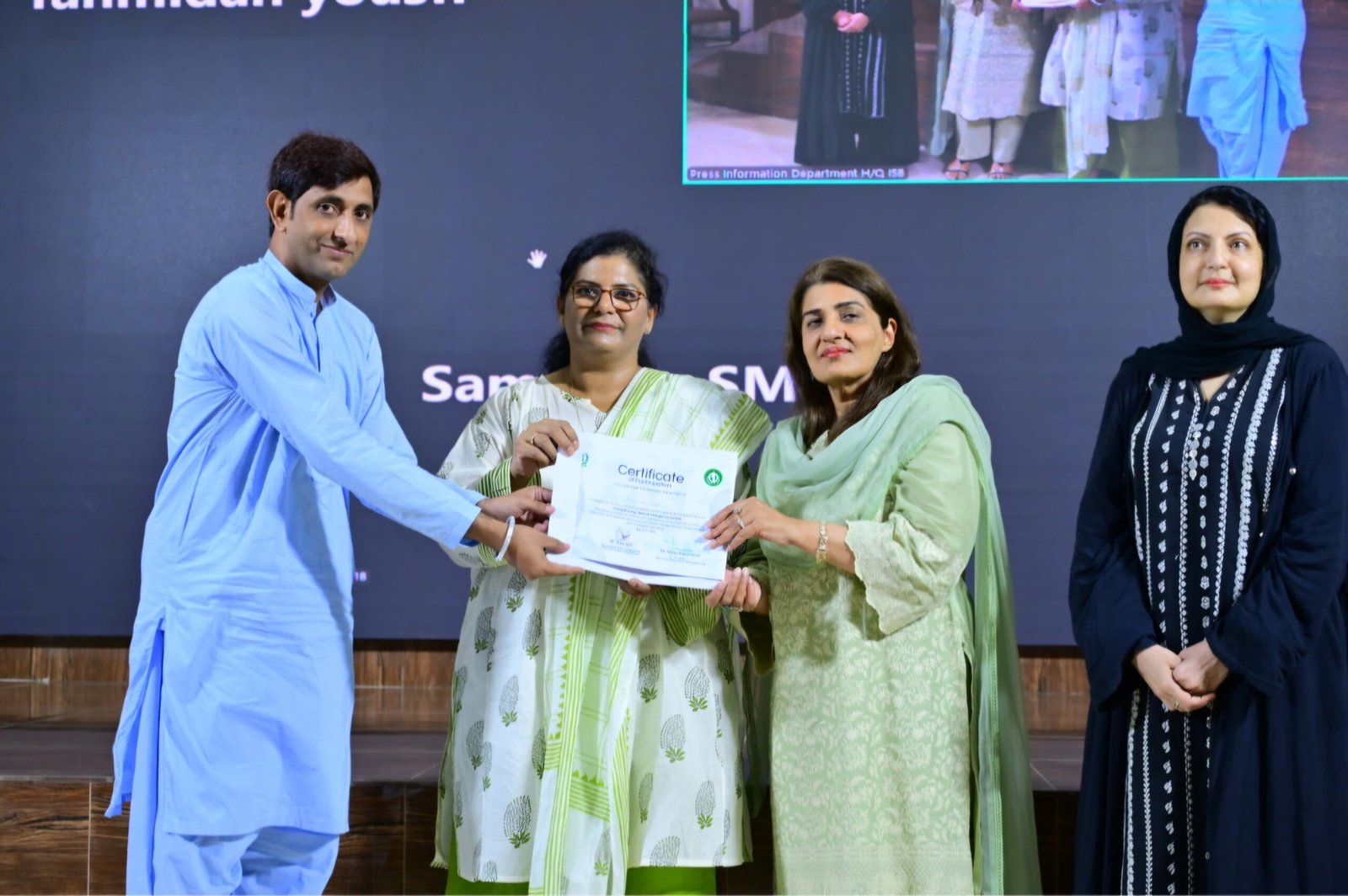
The closing ceremony was attended by Executive Director General and Principal Information Officer of the Press Information Department, Raisa Adil, as the chief guest. Executive Director General of the Information Services Academy, Samina Farzeen, and Director General of the Press Information Department, Ayesha Tasaddaq, were also present.
The distinguished guests distributed certificates among participants who successfully completed the training programme.
In her concluding remarks, Raisa Adil underscored the growing importance of climate and environmental journalism, saying that journalists have a greater responsibility than ever to provide timely, accurate, and credible information as climate-related disasters become more frequent and severe.
She emphasized that responsible, fact-based journalism can play a vital role in saving lives during emergencies by ensuring the public receives reliable information when it is needed most.
She further stressed that addressing the challenges of climate change requires collective efforts, calling for stronger collaboration among the media, government institutions, experts, and civil society to raise public awareness and support Pakistan’s climate mitigation and adaptation efforts.
The workshop concluded with a renewed commitment to strengthening climate change journalism and promoting high-quality, evidence-based environmental reporting across Pakistan.
Also Read: SDPI, NIPS sign MoU to forge partnership on demographic research and analysis