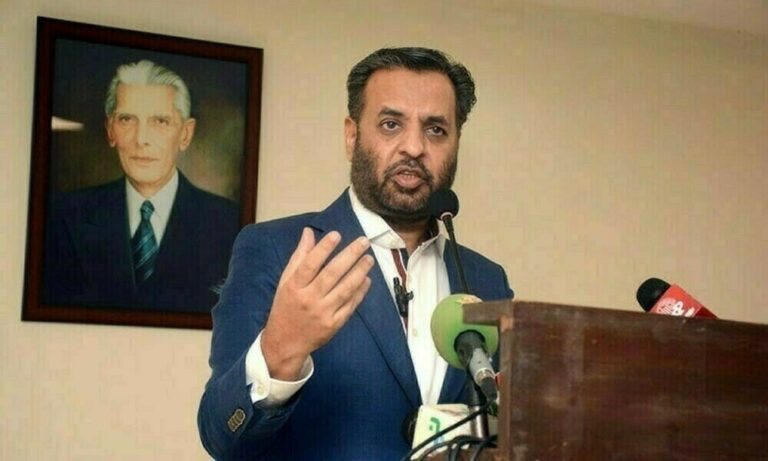
ISLAMABAD — Federal Health Minister Mustafa Kamal on Tuesday inaugurated a telemedicine center at the digitized Basic Health Unit (BHU) in Tameer, expanding access to specialist consultations for residents of rural Islamabad. The initiative allows patients in remote areas to receive online medical advice, treatment and prescribed medicines without traveling to major hospitals.
Officials said the telemedicine services aim to improve primary healthcare delivery, reduce pressure on urban hospitals and make treatment more accessible for low-income communities.

Addressing the inauguration ceremony, Kamal said modern technology has removed distance barriers in healthcare. He stated that residents can now consult specialist doctors remotely while remaining in their local communities. The system also includes monitoring mechanisms for both patients and medical professionals to maintain treatment standards.
The minister said strengthening basic health units would enable early diagnosis and treatment of common illnesses, reducing the burden on tertiary care hospitals. He described primary healthcare reform as a central focus of the government’s broader health sector strategy.
Kamal highlighted Pakistan’s rapid population growth, noting that annual increases are placing significant strain on national resources and the healthcare system. He emphasized the importance of maternal and child health, including birth spacing, to address long-term health challenges.
Access for remote and overseas doctors
The telemedicine platform will allow Pakistani doctors living abroad to provide consultations remotely. According to the health ministry, patients will also receive prescribed medicines at their doorstep, reducing travel costs and time.
Officials said the system was developed after an assessment of ground-level healthcare needs. The next phase includes expanding telemedicine facilities to other regions of the country.
Authorities noted that many residents in remote areas delay treatment due to financial or transportation constraints. The new digital health model is intended to provide earlier diagnosis and care closer to home, while easing congestion at major hospitals.