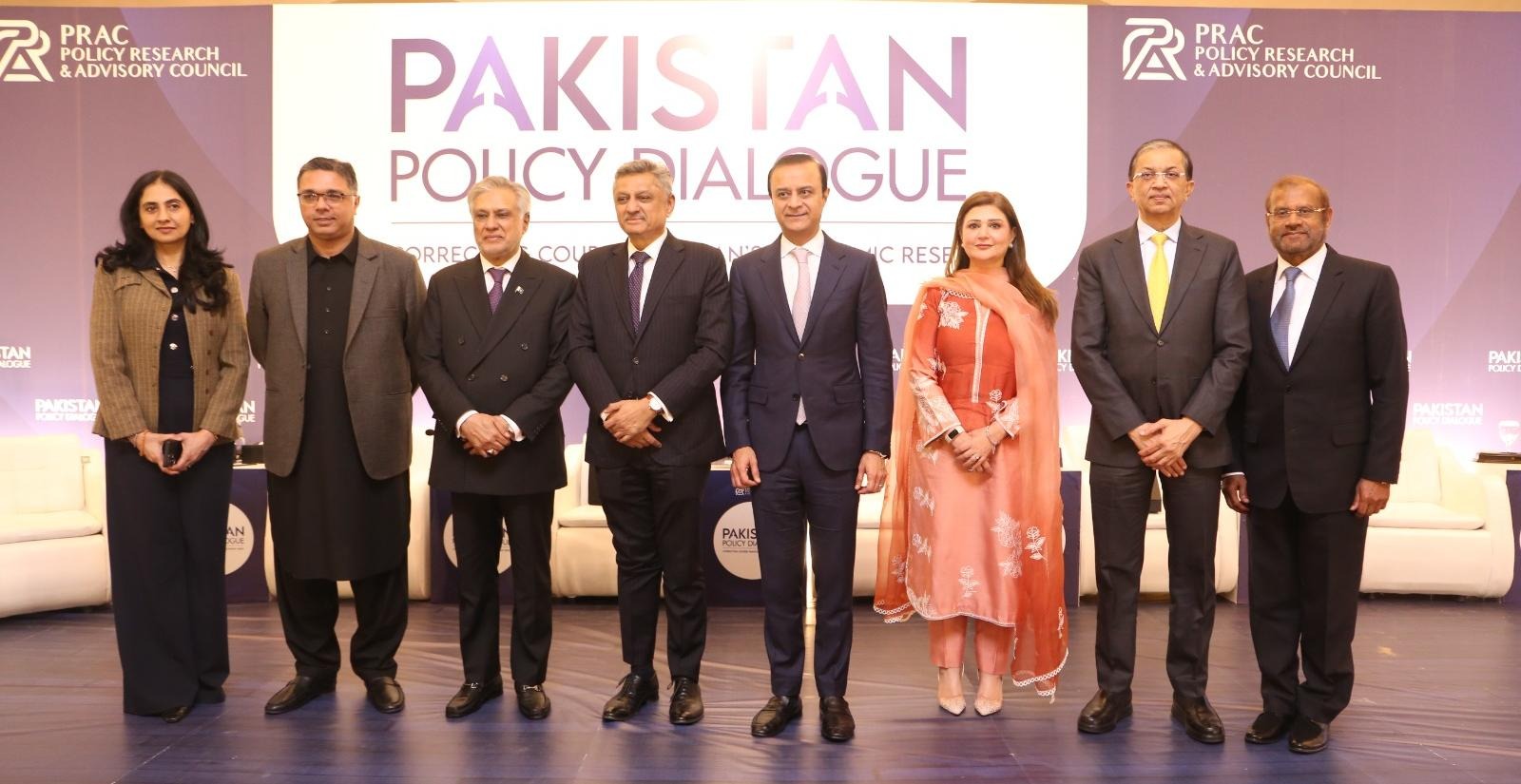
Islamabad: Deputy Prime Minister and Foreign Minister Senator Muhammad Ishaq Dar on Tuesday stressed the importance of sustained reforms, policy consistency, and institutional continuity, saying Pakistan’s economic recovery depends on long-term governance stability rather than short-term corrective measures.
Addressing the Pakistan Policy Dialogue: Correcting Course – Pakistan’s Economic Reset in Islamabad, Dar said meaningful economic correction required strengthening institutions and ensuring policies remained consistent beyond political transitions. He emphasised the role of technology-enabled governance in improving public service delivery and translating policy decisions into measurable economic outcomes.
He added that Pakistan’s diplomatic engagement was increasingly focused on economic priorities, with foreign policy efforts aimed at supporting exports, trade expansion, and mutually beneficial business partnerships.
Policymakers outline reform priorities and growth challenges
The dialogue brought together senior government officials, business leaders, and development experts to examine reform pathways, competitiveness, digitisation, and institutional capacity at a critical stage for Pakistan’s economy. The forum was organised by the Policy Research and Advisory Council (PRAC) in collaboration with the Corporate Pakistan Group and Nutshell Group, with the Ministry of Commerce and the Trade Development Authority of Pakistan serving as founding partners.
Federal Minister for Planning Ahsan Iqbal highlighted the need to improve productivity and export competitiveness, saying Pakistan’s long-term progress depended on aligning short-term economic stabilisation with broader development objectives. He noted that gaps in education, health, and political stability continued to hold the country back compared to peer economies.
Finance Minister Senator Muhammad Aurangzeb outlined the government’s reform agenda, focusing on macroeconomic stability, climate resilience, and population pressures. He also underscored the importance of regulating and enabling emerging sectors such as digital services and freelancing to support sustainable growth.
Emphasis on institutions, human capital, and competitiveness
Climate Change Minister Senator Dr. Musadik Malik called for more equitable access to economic resources, particularly for women and young professionals, while Adviser to the Prime Minister on Privatisation Muhammad Ali pointed to structural constraints, including informality and limited private-sector participation.
Former State Bank governor Dr. Ishrat Husain urged policymakers to prioritise human capital development and services exports, noting that global economic growth was increasingly driven by technology and services rather than traditional goods.
The dialogue also featured panel discussions on digital inclusion, climate finance, and macroeconomic competitiveness, with participants agreeing on the need for closer coordination between the public and private sectors to translate policy discussions into practical outcomes.
The event concluded with a shared emphasis on strengthening collaboration among government institutions, businesses, financial organisations, and development partners to support Pakistan’s ongoing economic reset.