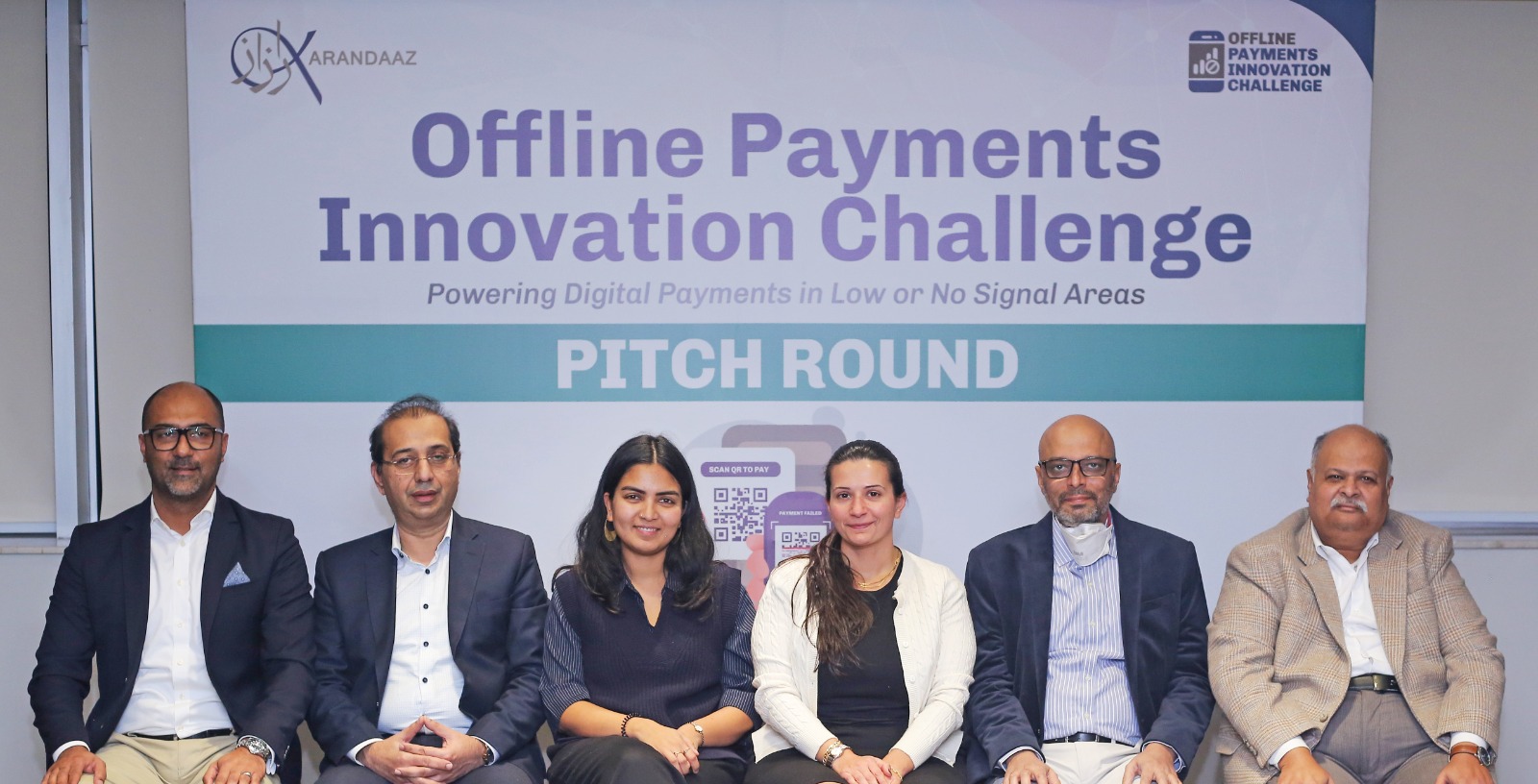
Islamabad, 9 January 2026 — Pakistan’s push toward digital financial inclusion is increasingly shaped by one stubborn obstacle: millions of citizens remain outside the system because of weak or absent internet coverage. The Offline Payments Innovation Challenge, hosted by Karandaaz Pakistan, is the latest effort to close that gap by developing payment technologies that can function without constant connectivity.
For years, policymakers have promoted digital transactions as a cornerstone of the “Digital Pakistan” agenda. Yet adoption has lagged in rural and disaster‑affected regions where mobile signals drop and broadband is scarce. Organizers of the challenge say the initiative is designed to move beyond recognition of the problem and toward practical solutions that can deliver secure, everyday transactions through Raast, the country’s instant payment system.

Also Read: BOI seminar focuses on Pakistan–China investment and innovation
Startups, fintech firms, and technology innovators presented proposals to a panel of national and international experts, including representatives from the State Bank of Pakistan, the Asian Development Bank, the Foreign, Commonwealth & Development Office, JoPacc Jordan, LUMS, and Karandaaz Pakistan. Their ideas were judged on resilience, security, regulatory compliance, scalability, and sustainability.
The strongest solutions will receive grant support, technical guidance, and pilot opportunities, with the aim of proving that digital payments can work even in low‑connectivity environments. Karandaaz Pakistan Chief Executive Officer Waqas ul Hasan said the effort reflects the national vision for a “Cashless Pakistan,” noting that innovation tailored to local realities is essential for expanding access.
By focusing on offline functionality, the programme highlights a critical frontier in Pakistan’s financial ecosystem: ensuring that digital services reach citizens who are most often excluded. Organizers say bridging this divide is not only about convenience but about equity, enabling secure transactions for communities that have long been underserved.