ISLAMABAD — The Aawaz II programme has convened a two-day national consultation in Islamabad to discuss long-term strategies for sustaining community-led initiatives addressing child marriage, gender-based violence (GBV), and social exclusion in Punjab and Khyber Pakhtunkhwa.
The event, titled Bridging the Gap: A Roadmap for Social Change, brings together government officials, civil society representatives and community leaders to review evidence from the programme and identify approaches for strengthening policy and institutional support.
Aawaz II officials highlight programme reach and community engagement

Opening the consultation, British Council Pakistan Country Director James Hampson and representatives of the Foreign, Commonwealth & Development Office (FCDO) outlined the programme’s work across 37 districts through local forums, volunteers, and community centres. They said Aawaz II has engaged more than 36 million people through its interventions.
Hampson said the programme’s community structures could strengthen linkages with state institutions, improve referrals to government services and enhance responses to issues including GBV and child marriage.
FCDO Senior Responsible Officer Ali Naqvi noted that cooperation between provincial departments, partners and communities has contributed to policy change and improvements in representation and service access.
Experts discuss prevention of GBV and child marriage
The first thematic session presented research on the prevention of GBV and child marriage, highlighting community-led strategies and behaviour change efforts.
Panellists included Sumaira Shams, Chairperson of the Khyber Pakhtunkhwa Commission on the Status of Women (KPCSW), and Amina Munir, Additional Secretary, Punjab Social Welfare Department (SWD).
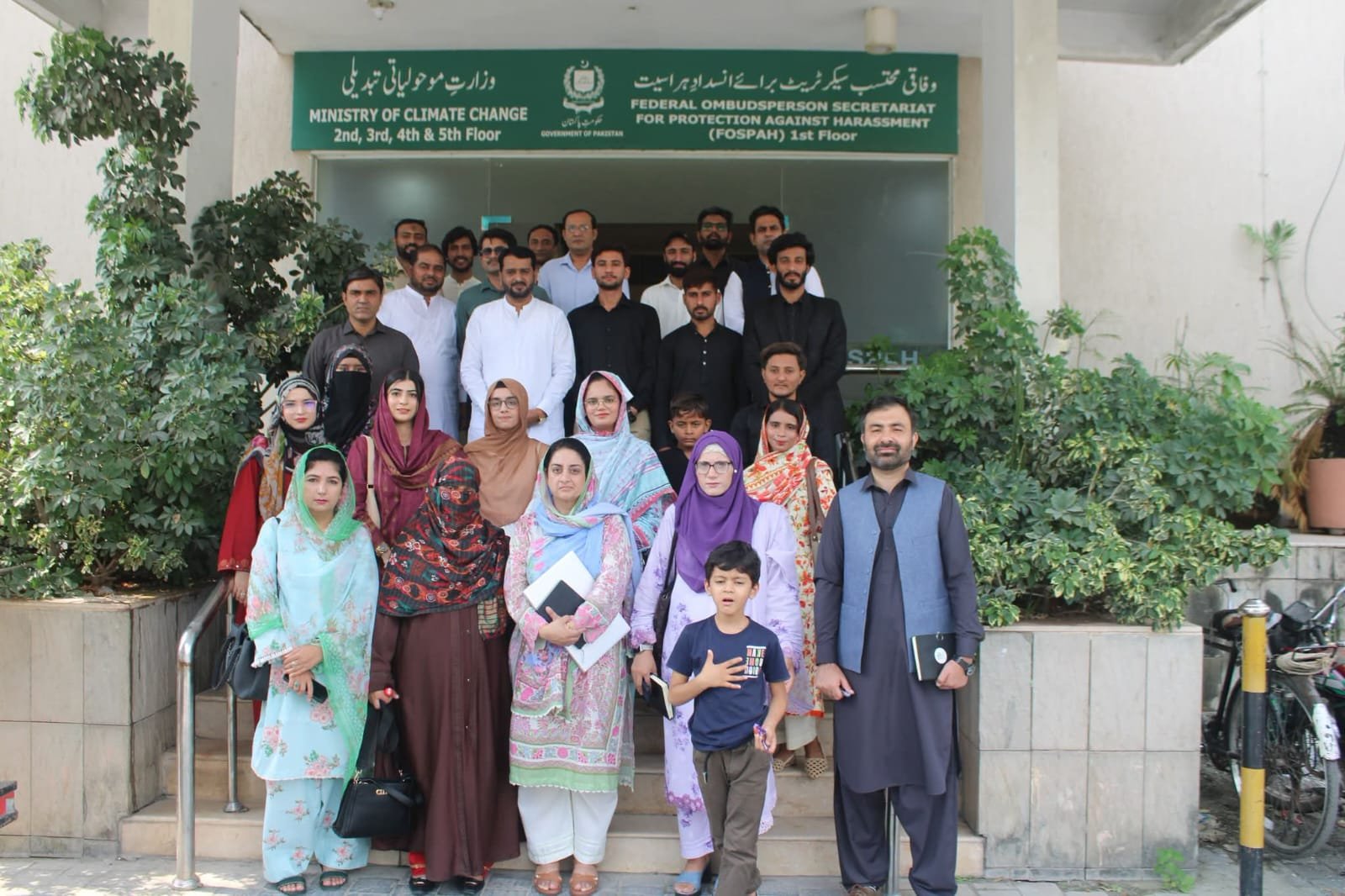
Federal Ombudsperson for Protection Against Harassment, Fauzia Viqar, said gaps in redress mechanisms are linked to public trust deficits and called for increased awareness of existing procedures.
Shams said KPCSW is working on legislation related to child marriage and domestic violence, while Munir noted ongoing coordination between Punjab SWD and Aawaz II district forums to enhance inclusion of persons with disabilities and other vulnerable groups.
Youth participation and policy outcomes reviewed
A second session examined the role of youth as contributors to social change, with volunteers from Aawaz II communities sharing local-level experiences. Government representatives from both provinces discussed formal pathways to expand youth engagement.
Participants also reviewed recent policy outcomes influenced by community advocacy, including the Punjab Hindu Marriage Rules 2024 and pre-budget citizen consultations in Khyber Pakhtunkhwa that resulted in funding allocations for vulnerable groups in the FY2025–26 budget.
Upcoming discussions on social cohesion and intolerance
On the second day, Aawaz II will host a session on strengthening social cohesion and addressing intolerance, with speakers including former National Commission on Human Rights member Nadeem Ashraf and KP Additional Inspector General Akhtar Abbas.
The closing session will include remarks from Senator Azam Nazeer Tarar, Federal Minister for Law and Justice, along with commitments from provincial and federal representatives on sustaining community-led approaches after the programme ends.
Programme reports volunteer mobilisation and community forums
Implemented by the British Council and funded by FCDO, Aawaz II reports mobilising over 48,000 volunteers and establishing 1,455 community-based forums across the two provinces. These platforms engage women, youth, religious minorities, persons with disabilities, and transgender persons in efforts to address exclusion and promote behavioural change.
Read related news here: https://greenpost.com.pk/category/pakistan/
For more stories and insights, visit The Public