LAHORE: The University of Kamalia has officially launched the SAFER PLUS clean energy project, a US$1.7 million international initiative aimed at converting agricultural residues into clean industrial fuel, electricity, heat and value-added bio-based products to support Pakistan’s transition toward sustainable energy.
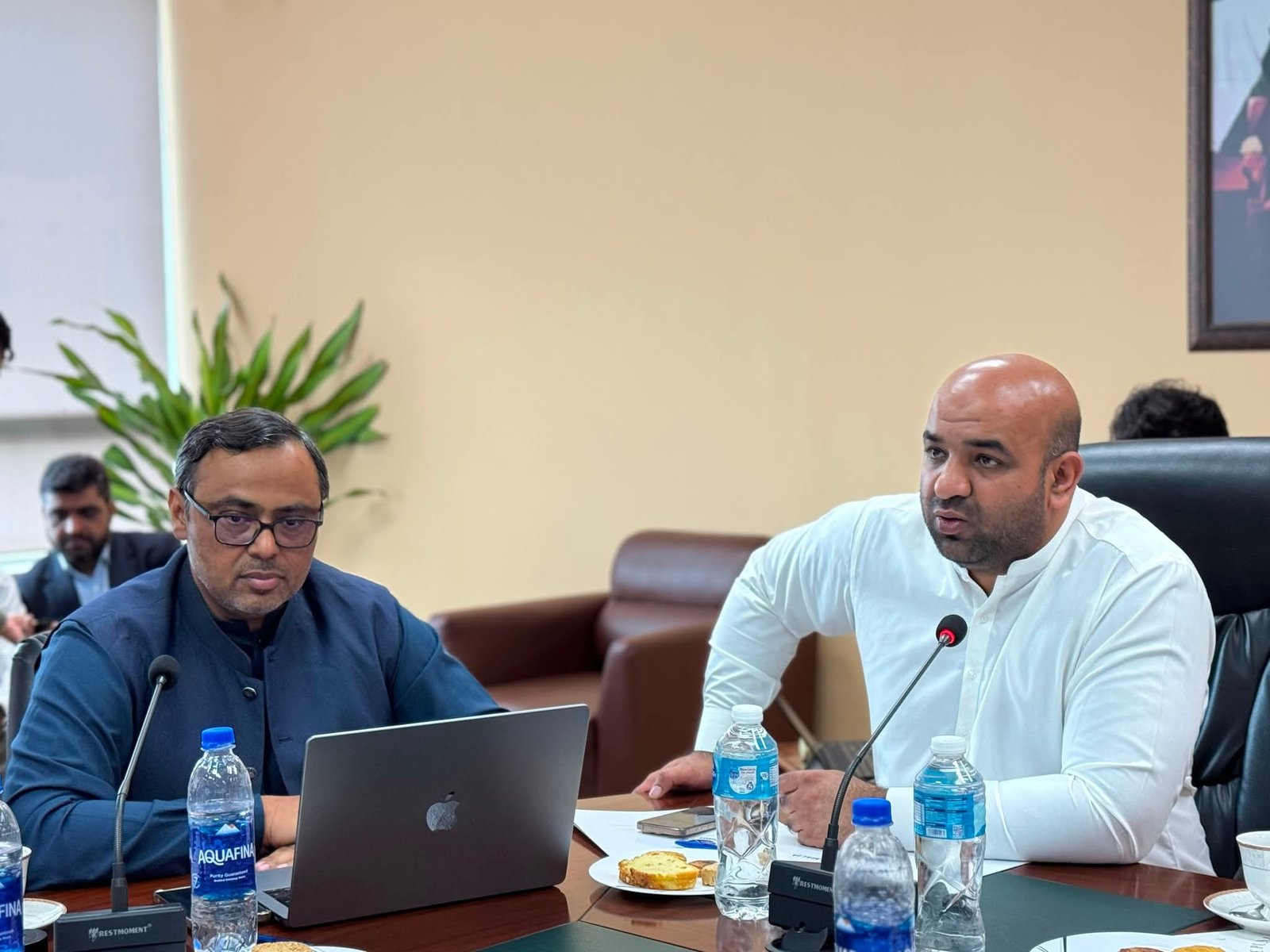
The project was formally inaugurated during the university’s 13th Syndicate Meeting, held at the Punjab Higher Education Commission (PHEC) headquarters in Lahore. The meeting was chaired by Punjab Minister for Higher Education Rana Sikandar Hayat.

SAFER PLUS is an international applied research and clean energy programme designed to promote the efficient use of agricultural waste while supporting industrial decarbonisation, environmental protection and sustainable regional development. A clean energy demonstration facility will be established at the University of Kamalia to showcase innovative technologies for converting biomass into renewable energy and other industrial products.
The initiative is being implemented through an international consortium comprising the University of Kamalia, Northumbria University (UK), Eco Research Limited (UK), KnowTex Solutions and other partners. The project is funded under Innovate UK’s Energy Catalyst Round 11 and is expected to contribute to Pakistan’s energy, agriculture, textile and environmental sectors.
Senior representatives from the international partner institutions attended the inauguration, including Professor Louise Bracken, Pro Vice-Chancellor of Northumbria University; Dr. Jibran Khaliq, Associate Professor at Northumbria University and Project Lead; Dr. Shahid Rasool; and Dr. Muhammad Sagheer, Chief Executive Officer of Eco Research Limited. Vice Chancellor Professor Dr. Yasir Nawab represented the University of Kamalia, alongside project team member Dr. Sarmad Masood.
Speaking at the event, Rana Sikandar Hayat congratulated the University of Kamalia and its international partners on launching a project of national and global significance. He said clean energy, climate resilience, skills development and industry-oriented research remain key priorities for higher education in Punjab.
The minister noted that the initiative aligns with the vision of the Punjab government and Chief Minister Maryam Nawaz Sharif to promote innovation, quality higher education, entrepreneurship, employment generation and sustainable economic growth.
Professor Louise Bracken described SAFER PLUS as an excellent example of how international academic collaboration can address real-world environmental challenges. She said the partnership would create new opportunities for joint research, postgraduate education, faculty development and scientific exchange between Pakistan and the United Kingdom.
Project leaders Dr. Jibran Khaliq, Dr. Shahid Rasool and Dr. Muhammad Sagheer highlighted the project’s potential to accelerate clean energy innovation, facilitate technology transfer, support industrial applications, strengthen climate resilience, generate local employment and reduce Pakistan’s dependence on imported fossil fuels.
Vice Chancellor Professor Dr. Yasir Nawab said the project represents a major milestone in the university’s journey toward becoming a research-driven and community-focused public institution. He added that universities can play a vital role in addressing national challenges by providing practical solutions for energy security, sustainable agriculture, environmental conservation and industrial competitiveness.
Officials said the SAFER PLUS project is expected to benefit students, researchers, faculty members, farmers, local communities and industry stakeholders. It could also serve as a model for establishing clean energy hubs across Punjab and other agricultural regions of Pakistan, helping advance the country’s green transition and climate resilience.