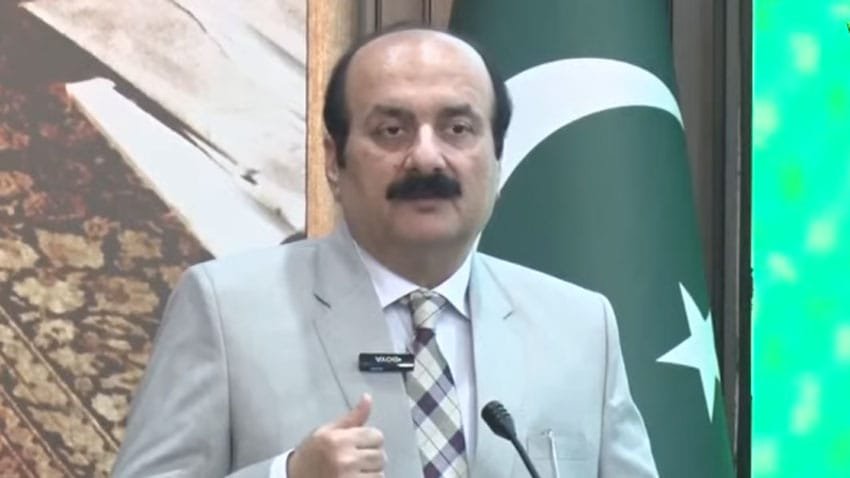
ISLAMABAD: Chairman of the Prime Minister’s Youth Programme Rana Mashhood Ahmad Khan has announced that two million young people will be trained in disaster risk management over the next three years as part of efforts to strengthen Pakistan’s capacity to respond to climate-related emergencies.
Addressing an event in Islamabad, Rana Mashhood stressed the need for collective and coordinated efforts to address the growing challenges posed by climate change and natural disasters.

He said Pakistan was increasingly exposed to climate-related hazards, including floods, heavy rainfall, heatwaves and other extreme weather events, making disaster preparedness and community-level response capacity more important than ever.
The chairman emphasized that young people could play a crucial role in strengthening disaster preparedness and resilience at the grassroots level. Training millions of youth in disaster risk management would help develop a better-informed and more capable generation able to respond effectively during emergencies.
Rana Mashhood called for greater cooperation among government institutions, educational organizations, civil society, development partners and communities to address climate change and reduce disaster risks.
He said empowering young people with relevant knowledge and practical skills would not only improve emergency response capabilities but also encourage greater community participation in climate adaptation and resilience initiatives.
The initiative is expected to focus on building awareness among young people about disaster preparedness, emergency response, risk reduction and the impacts of climate change.
Rana Mashhood said Pakistan needed a collective approach to confront climate-related challenges and stressed that preparedness should remain a priority rather than relying solely on response after disasters occur.
The announcement comes as Pakistan continues to face increasing climate risks, highlighting the importance of investing in human capacity, particularly among the country’s large youth population.
The planned training programme aims to make young people active partners in disaster risk reduction and contribute to building safer, more climate-resilient communities across Pakistan.
Also Read: Green Pakistan Initiative Expands Cultivable Land and Supports Farmers in Balochistan