Rawalpindi: Pir Mehr Ali Shah Arid Agriculture University Rawalpindi (PMAS-AAUR) organised an international workshop on “Renewable Energy Applications for Modern Sustainable Agriculture,” focusing on how clean energy technologies can enhance farm productivity, resource efficiency and climate resilience.
The workshop, hosted by the Department of Energy Systems Engineering under the Faculty of Agricultural Engineering & Technology, brought together national and international experts, researchers and students to examine practical applications of renewable energy in agriculture.

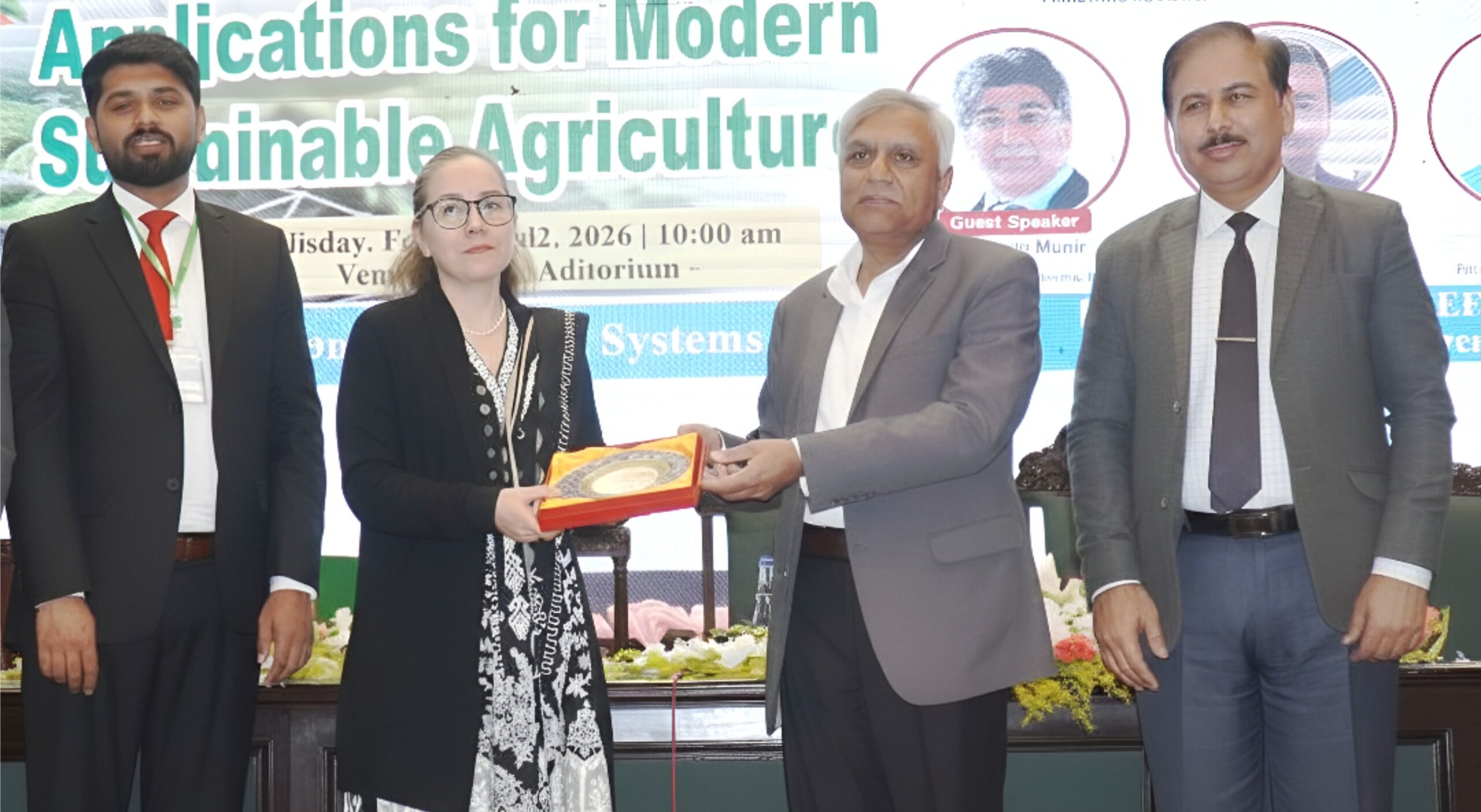
Ms Yasmin Paracha, Director of DAAD Islamabad, attended as chief guest, while Vice Chancellor Prof Dr Qamar-uz-Zaman chaired the session.
In his remarks, Prof Dr Qamar-uz-Zaman said the university remains committed to research, innovation and international collaboration to address emerging agricultural challenges. He stated that PMAS-AAUR aims to prepare professionals capable of integrating renewable energy and smart technologies into Pakistan’s farming systems to support sustainable growth.
Ms Yasmin Paracha emphasised that clean energy adoption is increasingly essential for sustainable food production. She noted that strengthening academic partnerships and capacity-building initiatives can help equip young engineers and scientists with the skills needed to support modern agricultural systems.
Focus on practical energy solutions
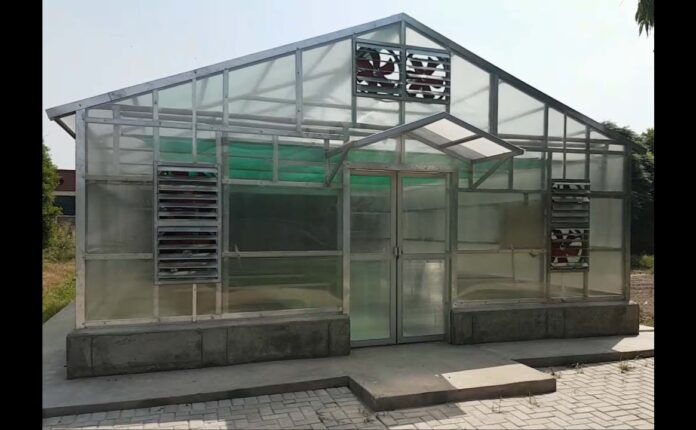
Presentations during the workshop covered solar-powered irrigation systems, biogas and biomass technologies, energy-efficient greenhouse operations and smart energy management in precision farming. Speakers discussed how cost-effective and innovative energy solutions can reduce input costs, improve yields and strengthen rural economies.
Participants also explored research collaboration opportunities and international best practices in renewable energy deployment within agricultural value chains.
The event concluded with the presentation of shields to the chief guest and distinguished speakers. The workshop was attended by deans, directors, faculty members and a large number of students, reflecting strong institutional engagement with sustainable agricultural transformation.