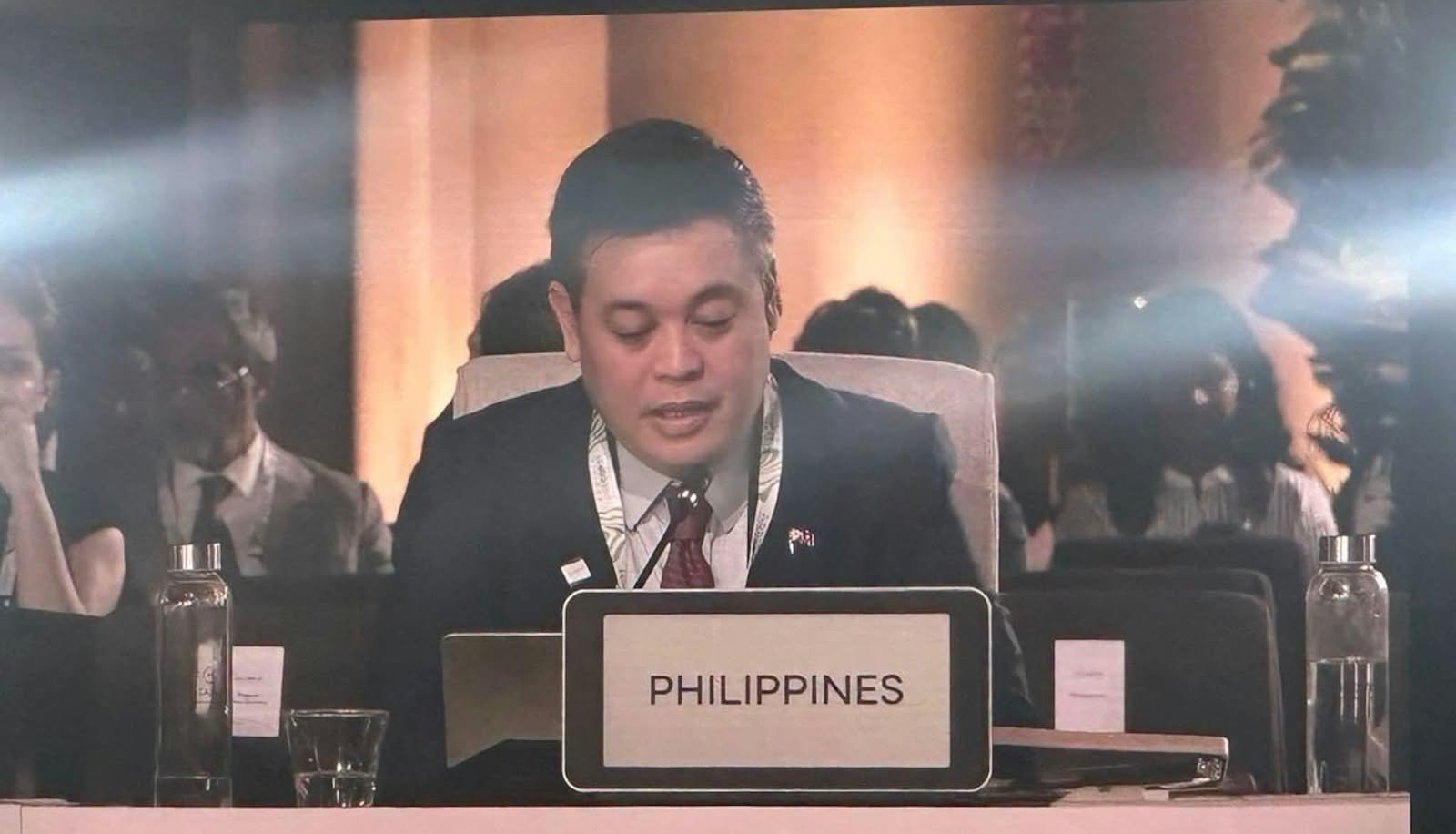
NADI, Fiji: The Philippines has urged countries to turn climate forecasts into early action and stronger preparedness ahead of the 31st UN Climate Change Conference (COP31), warning that climate risks can threaten water, food, energy, public health and local economies.
Speaking during a Pre-COP31 plenary discussion on priorities for the upcoming conference, Robert E.A. Borje, Vice Chairperson and Executive Director of the Philippines’ Climate Change Commission, stressed the need to use scientific forecasts and climate risk information to guide decisions before disasters and environmental impacts intensify.

Borje referred to a World Meteorological Organization forecast indicating that the current El Niño could strengthen to very strong levels and was highly likely to persist through February 2027. He noted that its impacts would vary by region but could place additional pressure on essential services, agriculture and community livelihoods.
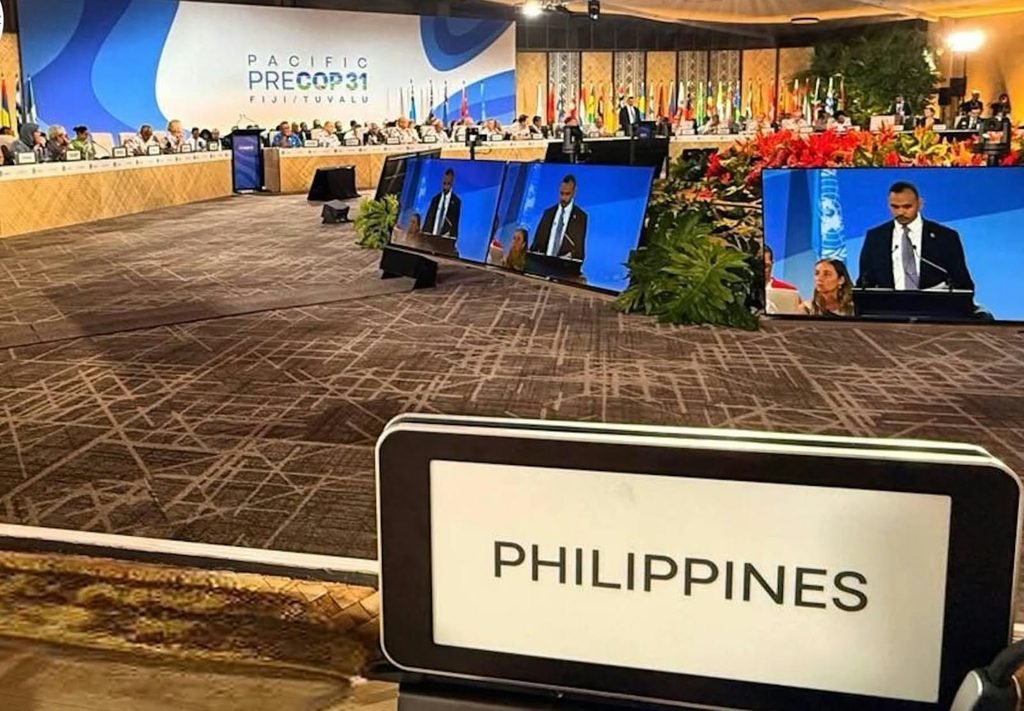
“The forecast gives us a clear warning, but also a window to prepare and respond,” Borje said, calling for investments that reduce climate risks rather than create new vulnerabilities.
He said climate risk assessments should be integrated into policies covering agriculture, water security, public infrastructure and livelihoods. The Philippines is using its Nationally Determined Contribution (NDC) Implementation Plan, National Adaptation Plan (NAP) and National Climate Risk Management Framework to incorporate climate considerations into national development decisions.
Borje called on COP31 to help countries prepare and implement their climate commitments, while advancing both emissions reduction and adaptation measures.
Developing Countries Need Greater Climate Finance
The Philippines also stressed the need for adequate and accessible climate finance to help developing countries respond to growing environmental risks.
Citing estimates from the United Nations Environment Programme (UNEP), Borje said developing countries would need between US$310 billion and US$365 billion annually for climate adaptation by 2035. However, international public adaptation finance for developing countries stood at just US$26 billion in 2023, leaving a substantial gap between available funding and estimated needs.
He noted that although water and wastewater systems receive a significant share of tracked adaptation finance, the overall funding remains insufficient. He also highlighted limited and poorly tracked ocean finance, a concern for small island developing states and countries whose communities and economies depend heavily on marine ecosystems.
Borje called for climate finance that is predictable, additional, transparent and easily accessible. He stressed that public and concessional funding must remain central, while private investment can complement these efforts. He also called for faster technology transfer and capacity-building to help developing countries implement climate solutions.
COP31 Focuses on Implementation
COP31 will be hosted in Antalya, Türkiye, with Türkiye holding the Presidency and Australia serving as President of Negotiations.
Borje said the conference’s Action Agenda could help translate formal climate negotiations into practical partnerships across energy, water, oceans and resilience. He also highlighted the importance of connecting multi-hazard early warning systems with early action to protect vulnerable communities.
He said the success of COP31 should be measured by whether international agreements lead to practical results that reach people facing climate risks, protect lives and support sustainable development.
The Philippines’ call highlights a wider challenge for climate-vulnerable countries: forecasts and international commitments must be matched by timely action, sufficient funding and locally delivered measures that help communities prepare for a changing climate.