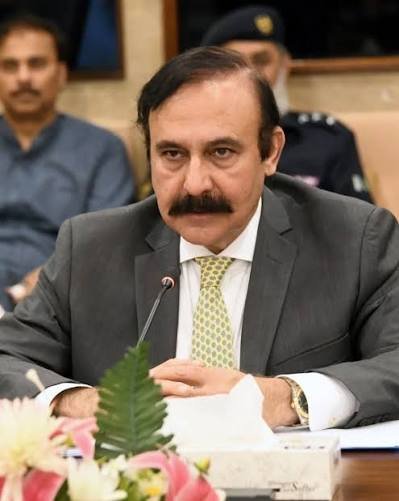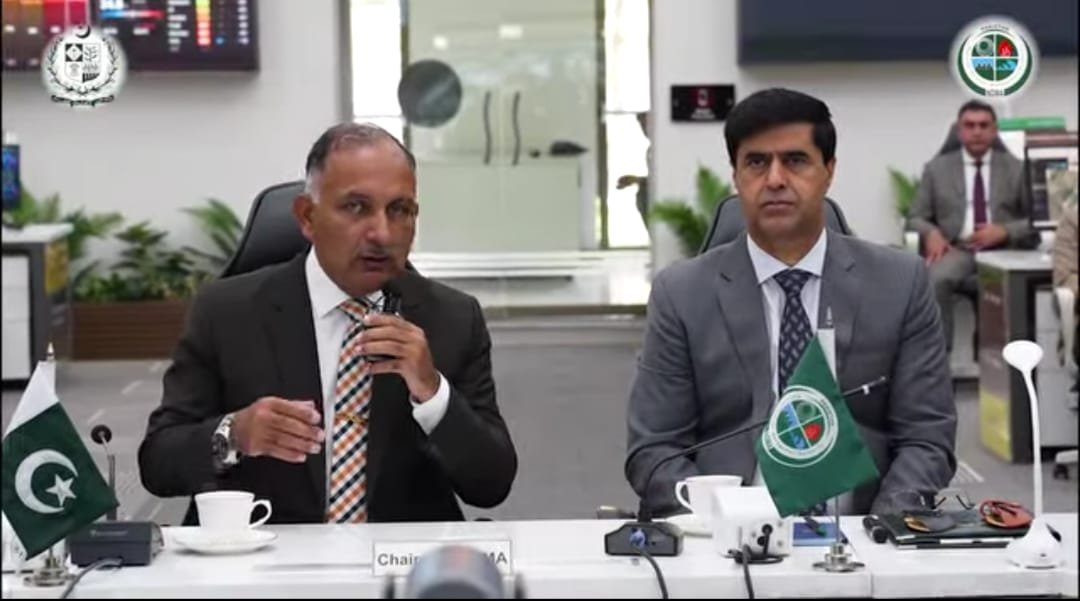
ISLAMABAD: A high-level delegation from Russia’s Ministry of Emergency Situations (EMERCOM) has visited the National Emergencies Operation Centre (NEOC) at the National Disaster Management Authority (NDMA) headquarters in Islamabad to learn about Pakistan’s disaster management system, technological capabilities and emergency coordination mechanisms.
The delegation was led by Dmitry Nikolaevich Melnik, Director of EMERCOM’s Department of International Cooperation, and included representatives working in rescue operations, education, scientific and technical activities, and national crisis management.

During the visit, the NDMA conducted a comprehensive international simulation exercise at its headquarters, demonstrating operational coordination, information sharing, emergency management procedures and integrated response mechanisms for complex disaster scenarios.
The exercise highlighted the importance of coordinated decision-making and collaboration among institutions in strengthening disaster preparedness and response capabilities.
Focus on Technology and Disaster Resilience
The visit also included interactive discussions on technological advancements, emergency coordination and specialised response mechanisms. Officials from both sides exchanged experiences and best practices, exploring opportunities to strengthen institutional ties and expand cooperation in disaster preparedness, emergency response and capacity-building.
The discussions focused on the importance of developing effective mechanisms to address emerging and increasingly complex disaster risks, including those that require coordinated action across multiple agencies.
The Russian delegation appreciated Pakistan’s disaster management capabilities and expressed interest in continuing bilateral cooperation with the NDMA.
The engagement underscored the role of international partnerships and professional exchanges in improving institutional readiness, strengthening emergency response systems and building collective resilience against evolving disaster risks.
As climate-related hazards and other emergencies place growing demands on disaster management institutions, cooperation on technology, training and operational coordination can help countries improve preparedness and response planning.