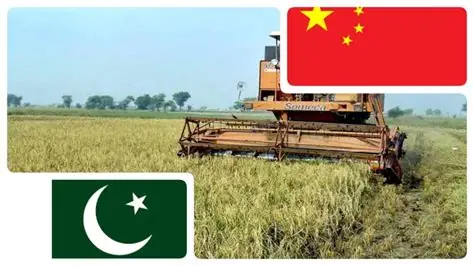
ISLAMABAD, May 06 (ABC): Pakistan aims to double agricultural exports to China and Gulf countries by 2035 under the Pakistan Climate Prosperity Plan, a policy framework that links climate resilience with trade growth and infrastructure development. The initiative comes as the country looks to expand export capacity while adapting its agriculture sector to climate-related risks.
What is the plan?
The Pakistan Climate Prosperity Plan outlines a strategy to modernize agriculture using climate-smart techniques while improving trade infrastructure. A key component is the integration of climate-focused policies into projects linked with the China-Pakistan Economic Corridor.

Telling Wealth Pakistan,The plan includes upgrading highways, ports, and energy systems along major trade routes to make them more resilient to environmental stress. These upgrades are intended to support consistent trade flows and reduce disruptions caused by extreme weather.
Pakistan also plans to establish its first Agricultural Trade Hub at Gwadar Port. The facility is expected to improve storage, handling, and transport of agricultural goods, particularly through modern cold-chain logistics.
Why does it matter?
Agriculture is a major part of Pakistan’s economy, but it is highly vulnerable to climate change. Rising temperatures, water shortages, and extreme weather events can reduce crop yields and disrupt supply chains.
By combining climate adaptation with export planning, the government aims to reduce losses and improve the quality and competitiveness of agricultural products in international markets, particularly in China and Gulf countries.
Improved infrastructure and logistics could also help reduce delays and spoilage, which are key barriers to increasing exports of perishable goods.
What changes are planned in agriculture?
The plan sets several measurable targets:
- Reduce post-harvest losses of wheat, rice, and cotton by 20% by 2028
- Cut agricultural water use by 20% through efficient irrigation and farming methods by 2030
- Expand agroforestry to 50,000 hectares to improve soil and water conservation
- Transport 50% of perishable exports through cold-chain systems by 2035
Additional measures include introducing improved plant varieties, promoting precision farming, and supporting fisheries through “blue carbon” initiatives, which focus on coastal ecosystem conservation.
How will industry and trade zones be affected?
Existing Special Economic Zones developed under CPEC will be transitioned into Green Economic Zones. These zones are expected to use cleaner energy, reduce waste, and adopt sustainable manufacturing practices.
The goal is to meet international environmental standards and make Pakistani exports more competitive in global markets.
Who is affected?
The plan targets a wide range of stakeholders, including farmers, agribusinesses, exporters, and logistics providers.
It also includes financial support mechanisms such as climate risk insurance, livestock coverage, and climate-linked loans. These tools are expected to reach about 30% of smallholder farmers and agricultural businesses by 2030.
What happens next?
Implementation will involve coordination between federal and provincial governments, along with private sector participation. Infrastructure upgrades, policy changes, and financial tools will be rolled out in phases over the next decade.
The plan positions climate adaptation as part of economic planning, with a focus on strengthening trade links and reducing vulnerability to environmental risks.