By: Rizwan Tahir Chohan
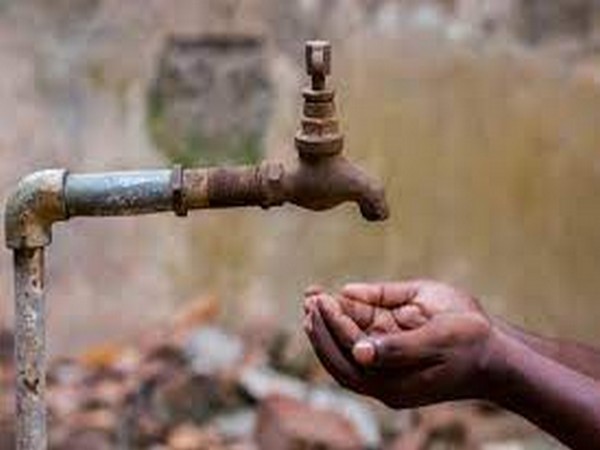
ISLAMABAD: Pakistan is grappling with an intensifying water crisis fueled by climate change, rapid population growth and increasing demand, experts warned during a national conference recently held in Islamabad, urging immediate and coordinated measures to prevent long-term shortages.

Already categorized as a water-scarce country, Pakistan is witnessing declining water availability, falling groundwater levels and rising pollution, all of which are placing additional strain on its resources. In recent years, the situation has worsened as climate change disrupts rainfall patterns and increases the occurrence of extreme events such as floods and droughts.
Speaking at the Pakistan Water Stewardship Conference 2026, Sohail Ali Naqvi, Director of the Freshwater Program at WWF-Pakistan, highlighted the severity of the crisis.
He noted that when per capita water availability drops below 1,000 cubic meters annually, a country enters a critical zone — a threshold Pakistan has already crossed.
Data shared at the conference showed a steep decline in per capita water availability from around 5,600 cubic meters in 1956 to less than 800 cubic meters today, placing Pakistan well below internationally recognized water scarcity levels.
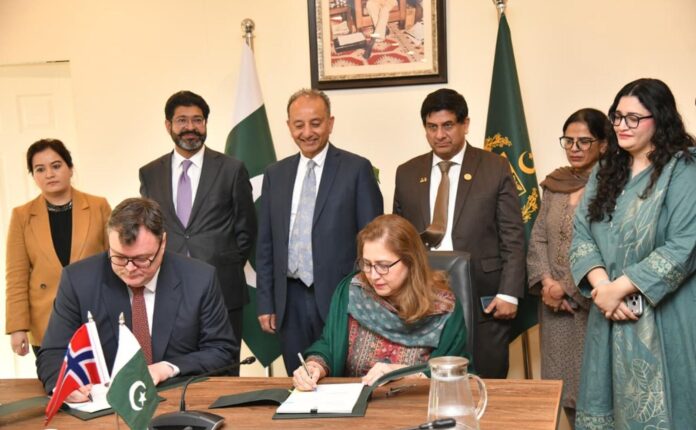
The two-day conference, organized by WWF-Pakistan in collaboration with government bodies and industry stakeholders, brought together policymakers, experts and academics to explore solutions.
Naqvi emphasized that the issue is not limited to shrinking water supplies but also includes challenges related to access and quality.
Participants stressed that Pakistan’s vulnerability to climate shocks has made effective water management a pressing national priority, with recurring floods and unpredictable rainfall patterns underscoring the urgency for improved planning and resilience.
Experts agreed that addressing the crisis would require stronger governance, better coordination and enhanced collaboration between the public and private sectors.