ISLAMABAD: The Pakistan Environmental Protection Agency (Pak-EPA) has held a technical session with World Bank experts to discuss upcoming projects aimed at improving air quality in Islamabad and the Islamabad Capital Territory (ICT).
The discussions focused on the technical, logistical and human resource requirements for developing a modern air quality management system to support a cleaner and healthier capital.

The meeting identified two key priorities: strengthening air quality monitoring and improving the technical capacity of Pak-EPA staff.
Under the proposed initiatives, the agency aims to improve its network of fixed and mobile air quality monitoring stations and upgrade the equipment used to assess pollution levels. These measures are expected to support better monitoring of air pollution and provide more reliable data for environmental planning and decision-making.
The second priority is comprehensive capacity building, including staff training, skills development, laboratory strengthening, and improved data management and analysis.
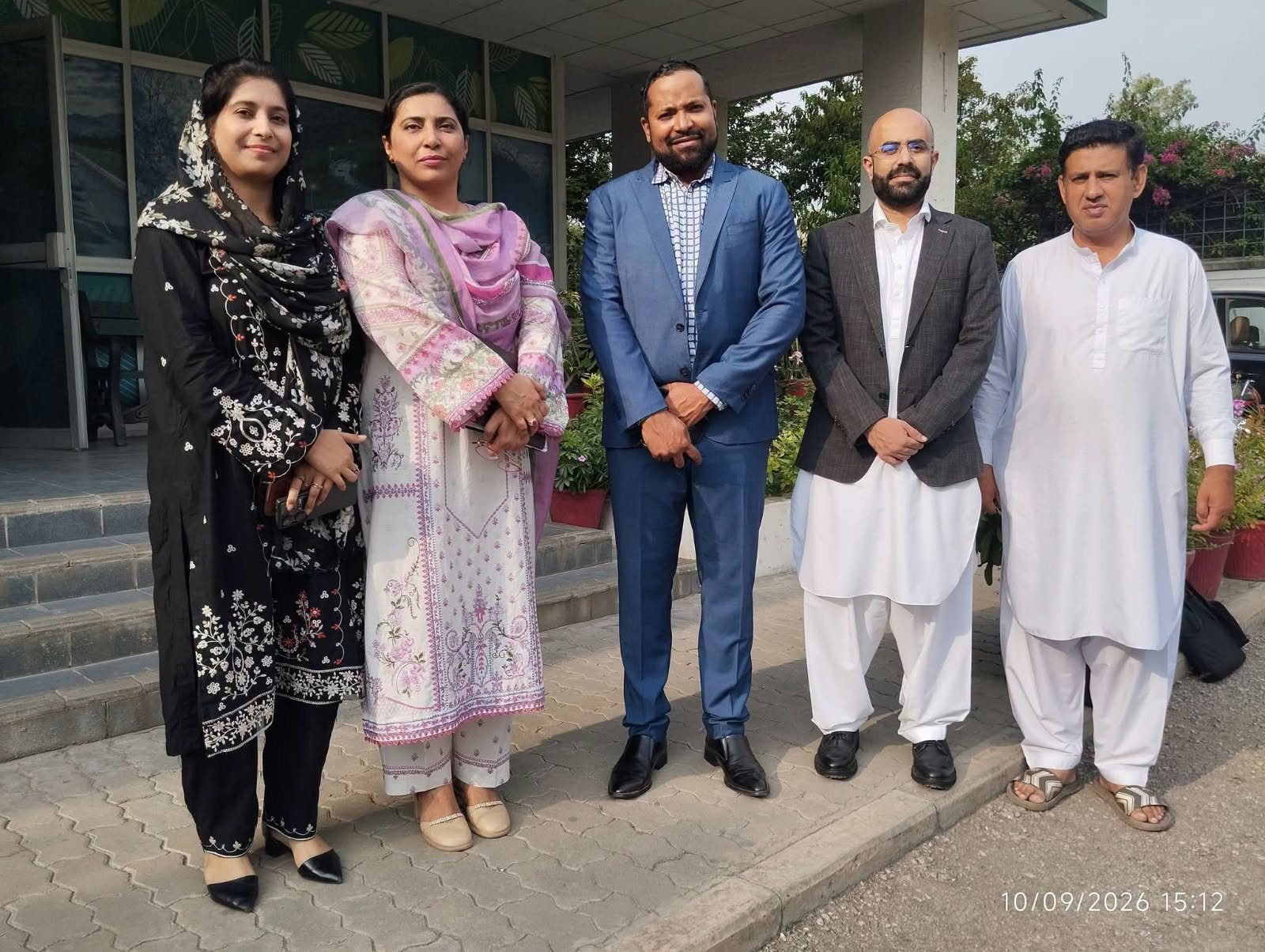
The session was attended by World Bank Senior Environmental Specialist Mr Shafick Hossain and Air Quality Specialist Dr Waqas Ahmed Khan, who discussed the proposed project’s requirements with Pak-EPA officials.
Participants also reviewed the timeline for preparing the project’s Planning Commission-1 (PC-1) document, with completion targeted by December 2026. The final scope of the project will be determined after further consultations.
The World Bank team also visited Pak-EPA’s fixed and mobile air quality monitoring stations to assess the existing facilities and monitoring arrangements.
Reliable air quality data and stronger institutional capacity are important for identifying pollution sources, guiding environmental policies and protecting public health. The proposed improvements could help Islamabad strengthen its response to air pollution and support long-term efforts to improve urban environmental conditions.
Pak-EPA reaffirmed its commitment to improving air quality and protecting the health and environment of Islamabad’s residents.