LOWER DIR: The district administration of Lower Dir has reaffirmed its commitment to protecting forests from wildfires, with officials pledging strict enforcement of standard operating procedures (SOPs), improved emergency preparedness and stronger community participation in forest fire prevention.
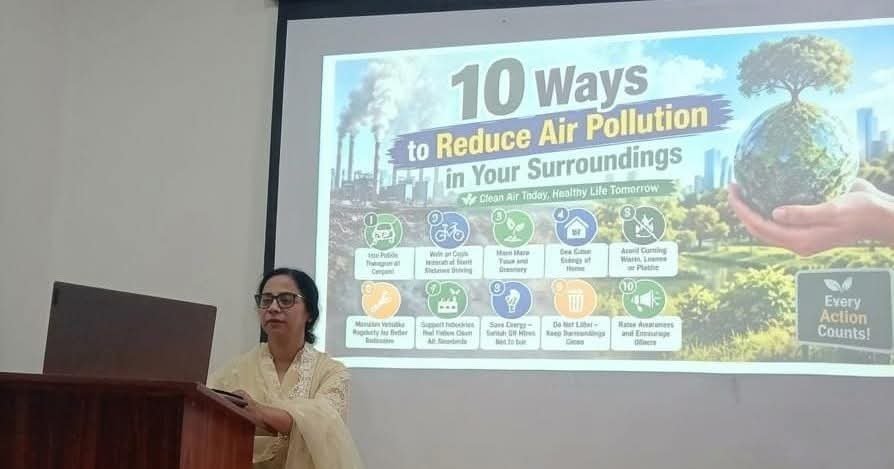
The commitment was made during a meeting of the District Forest Fire Management Team held on October 16, 2026, under the chairmanship of Dr. Iza Arshad, Additional Deputy Commissioner (General), Lower Dir. The meeting reviewed preventive measures, emergency arrangements and coordination among departments responsible for forest protection.

During the meeting, the Divisional Forest Officer of the Lower Dir Forest Division briefed participants on fire-prone forest areas, incidents recorded during the previous fire season, the extent of affected areas and the availability of personnel, firefighting equipment and emergency response arrangements.
The briefing highlighted the need for advance planning, continuous monitoring and timely intervention to reduce the risk of wildfires and limit damage to forest ecosystems.
Strict SOPs and Emergency Preparedness
Participants stressed the strict implementation of government-approved SOPs for forest fire prevention and management. Key priorities included identifying and mapping vulnerable forest areas, constructing and maintaining fire lines, ensuring the availability and operational readiness of firefighting equipment, and keeping emergency response teams prepared for rapid deployment.
The meeting also emphasised the importance of effective communication systems and clearly assigned responsibilities to ensure that reports of smoke or fire are acted upon promptly.
Early detection and rapid intervention are particularly important in forested areas, where fires can spread quickly under dry, windy conditions and become difficult to control once they reach a larger area.
Communities to Play a Key Role
Recognising the role of local communities in protecting forests, the district team called for the activation of Village Development Committees and Sub-Divisional Forest Fire Management Teams.
Public awareness campaigns will be promoted to educate residents, visitors and other forest users about fire hazards, safe behaviour in forest areas, preventive precautions and the need to report smoke or fire immediately.
Community participation can strengthen early warning and help authorities identify potential fire risks before they develop into major incidents. Local involvement is also important for encouraging responsible use of forest resources and reducing avoidable human-caused fires.
Interdepartmental Coordination
Representatives of the Forest Department, Police, Rescue 1122, Civil Defence and other relevant administrative and departmental offices reaffirmed their commitment to coordinated action.
Participants agreed that effective forest fire management requires an integrated approach combining prevention, preparedness, early detection and emergency response. Coordinated mobilisation of personnel and equipment, supported by clear communication and defined responsibilities, was identified as essential to the district’s strategy.
Protecting Forests and Climate Resilience
Forests are vital for biodiversity conservation, wildlife habitats, soil stability, water resources and local livelihoods. They also contribute to climate change mitigation by storing carbon and supporting ecological processes that help sustain healthy landscapes.
Forest fires can destroy vegetation, displace wildlife, degrade soils and release stored carbon into the atmosphere. Repeated fires may also weaken the ability of forests to recover, placing additional pressure on ecosystems and the communities that depend on them.
The District Forest Fire Management Team reaffirmed its resolve to use available resources, strengthen preparedness at all levels and implement coordinated preventive measures to protect Lower Dir’s forests and biodiversity.
The meeting concluded with a call for continued vigilance, institutional cooperation and public responsibility, emphasising that preventing forest fires before they start remains one of the most effective ways to protect natural resources.