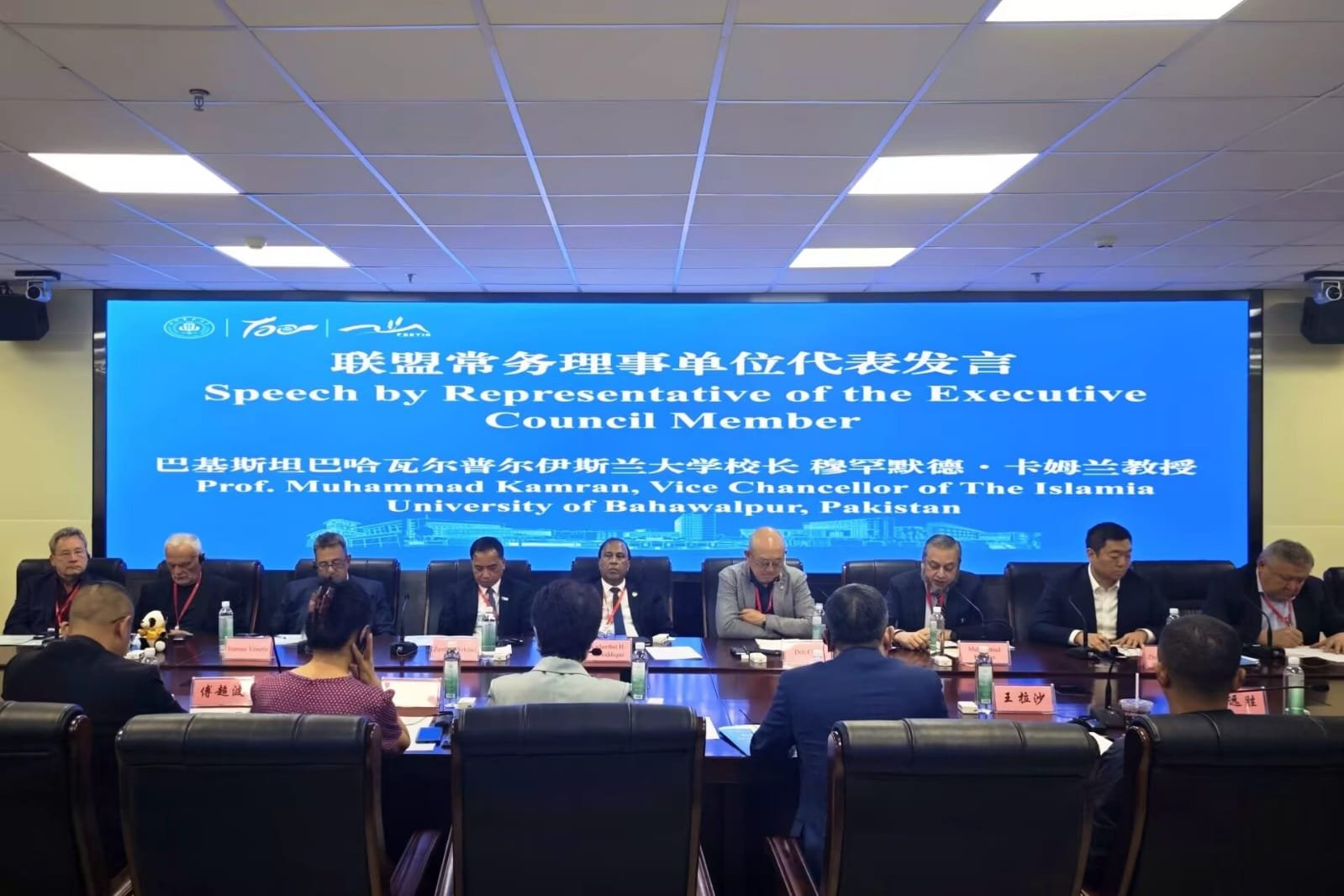
BAHAWALPUR / CHENGDU: Vice Chancellor of The Islamia University of Bahawalpur (IUB), Prof. Dr. Muhammad Kamran, recently visited China to participate in the 120th anniversary celebrations of Sichuan Agricultural University (SAU) and explore new avenues for strengthening academic, research and technological collaboration between Pakistan and China.
The official visit received prominent international media coverage, including reports by China Economic Net (CEN), Associated Press of Pakistan (APP) and the Daily Independent. The coverage was facilitated through the efforts of Dr. Malik Adnan, Chairman of IUB’s Department of Media and Communication Studies.
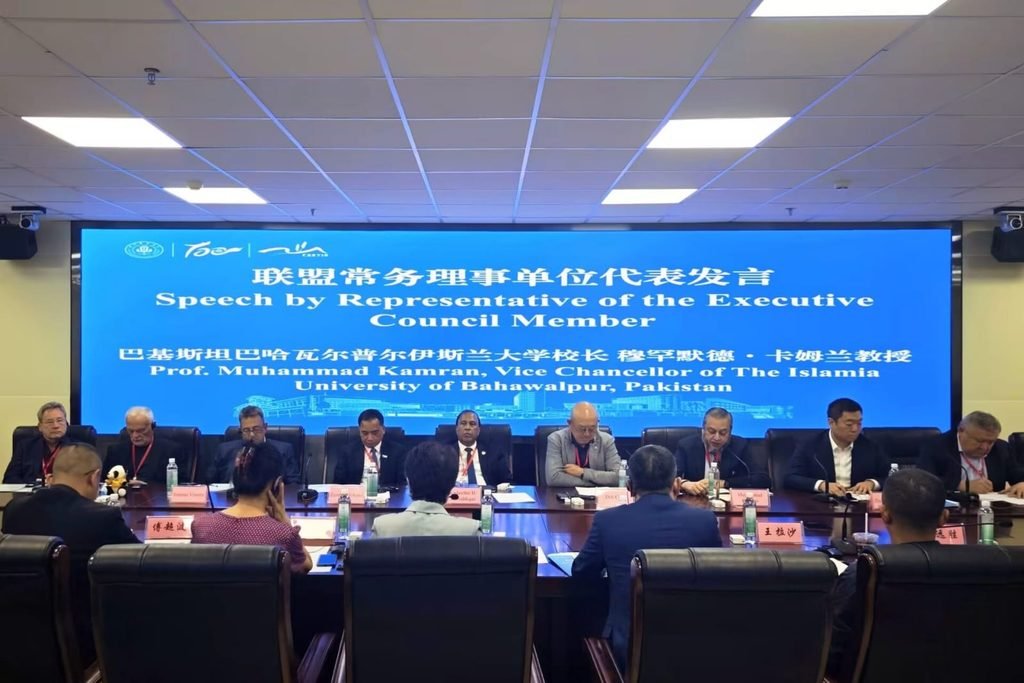

A key outcome of the visit was the extension of the Memorandum of Understanding (MoU) between IUB and Sichuan Agricultural University for another five years. The renewed agreement further strengthens the two institutions’ collaboration in agricultural research, food security, student development and technological innovation.
The partnership has already produced significant results through joint intercropping research led by IUB’s National Research Center of Intercropping (NRCI), headed by Director Dr. Muhammad Ali Raza. The research has successfully adapted Chinese strip-intercropping technology to Pakistani agricultural conditions and expanded its application across more than 12,000 hectares of farmland, helping farmers optimize crop yields and improve agricultural productivity.
The IUB-SAU collaboration has also provided 56 fully funded scholarships for IUB students to pursue academic opportunities at Sichuan Agricultural University, further strengthening educational and research links between the two countries.
In another significant achievement, IUB has become the only Pakistani institution represented on the Standing Council of the Food Security Education and Technology Innovation Alliance, reinforcing its growing role in international cooperation on food security, agricultural innovation and education.
During his visit, Prof. Dr. Muhammad Kamran also spoke exclusively to China Economic Net in a feature examining China’s clean-energy-powered “East Data, West Computing” model in Ulanqab and its relevance to developing regions such as Bahawalpur.
Prof. Dr. Kamran emphasized that digital infrastructure alone is not sufficient to drive sustainable technological development. He stressed the importance of combining advanced computing infrastructure with strong local research capabilities, skilled human resources and indigenous technological expertise.
He highlighted IUB’s ongoing efforts to develop these capabilities through its Artificial Intelligence Research and Advancement Lab, the integration of AI across multiple academic disciplines, and the launch of a specialized Quantum Computing programme in 2026.
The Vice Chancellor’s visit reflects IUB’s expanding international engagement and its commitment to building long-term academic, scientific and technological partnerships, particularly with leading Chinese institutions. The renewed collaboration with SAU is expected to create further opportunities for joint research, scholarships, innovation and knowledge exchange between Pakistan and China.